

 Latest editorial
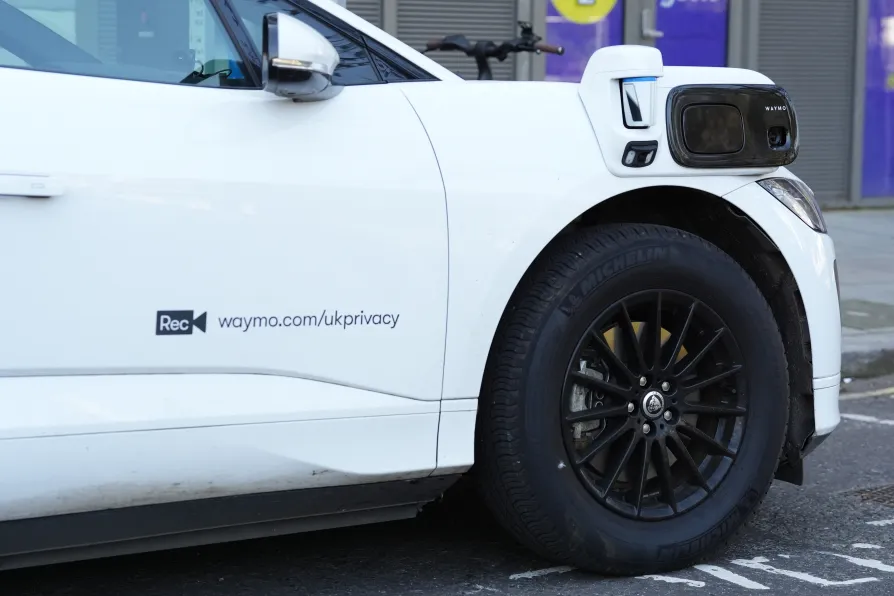 A Waymo, driverless taxi being trained in central London, March 19, 2026




MORE than 300,000 private-hire drivers’ jobs are at risk from the introduction of automated vehicles, the GMB conference heard today, as it emerged that self-driving taxis will be launched for paying passengers this summer.
Delegates in Blackpool agreed to call on the government to legislate to protect taxi and private-hire drivers from job losses and reductions in earnings caused by the rollout of driverless vehicles.
Southern region delegate Ali Haydor, who works as a private-hire driver, said: “We hear a lot from parties on the right about people not working or relying on benefits, yet they are the ones happy to collect billions from cryptobillionaires.
“Replacing human workers will potentially push thousands into unemployment and poverty.
“The gig-economy firms present driverless taxis as progress. They tell us this technology will increase efficiency, reduce costs and benefit society, but progress for whom?
“Technology will continue to develop, but workers should not be expected to carry all the risks while companies take all the rewards.”
Delegates backed a raft of new AI policies, including demanding that Labour sets up a just transition fund for workers whose roles are displaced or replaced by automated vehicle (AV) technology, funded by a levy on the tech’s operators.
The GMB will also lobby for a statutory right to consultation when employers wish to transfer tasks from workers to automatic processes and call for stricter regulation of AI in the public sector to guarantee that it doesn’t replace staff or affect the public without human oversight.
Today, a company developing self-driving taxis said that it would carry paying passengers for the first time on British roads this summer.
Kaity Fischer, who leads Wayve’s robotaxi business, said that it was “ready to go” as the ride-hailing app company Uber began enabling users to express their desire to be among the first people to try the new service.
A human driver will initially sit behind the wheel, ready to take control during journeys, while the technology is demonstrated to be safe.
Uber passengers will be offered self-driving vehicles for the same cost as the firm’s conventional minicabs.
Transport Secretary Heidi Alexander said the technology had “the potential to transform how people travel” by “reducing road danger while driving growth and creating high-skilled jobs across the UK.”
