The recent heatwaves revealed how ill-prepared Britain remains for a hotter future – and how unequal the ability to cope with it has become, write ROX MIDDLETON, LIAM SHAW and MIRIAM GAUNTLETT


 Latest editorial
A war that changed Asia’s strategic map
The US-Israeli conflict with Iran has had far-reaching consequences, including a boost to Pakistan’s regional standing, argues ROGER McKENZIE
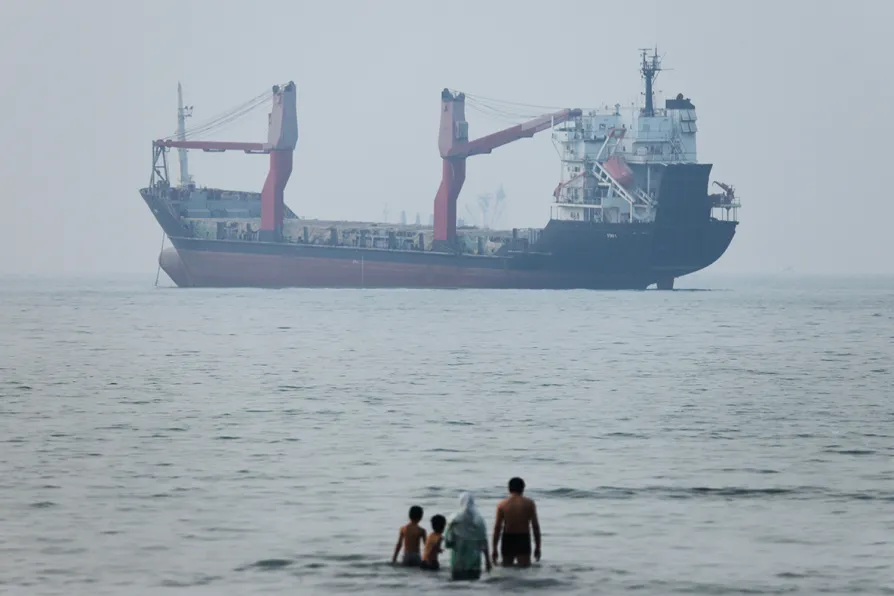 A group of people stands in shallow water as a cargo ship appears anchored in the Strait of Hormuz off Bandar Abbas, Iran, June 30, 2026
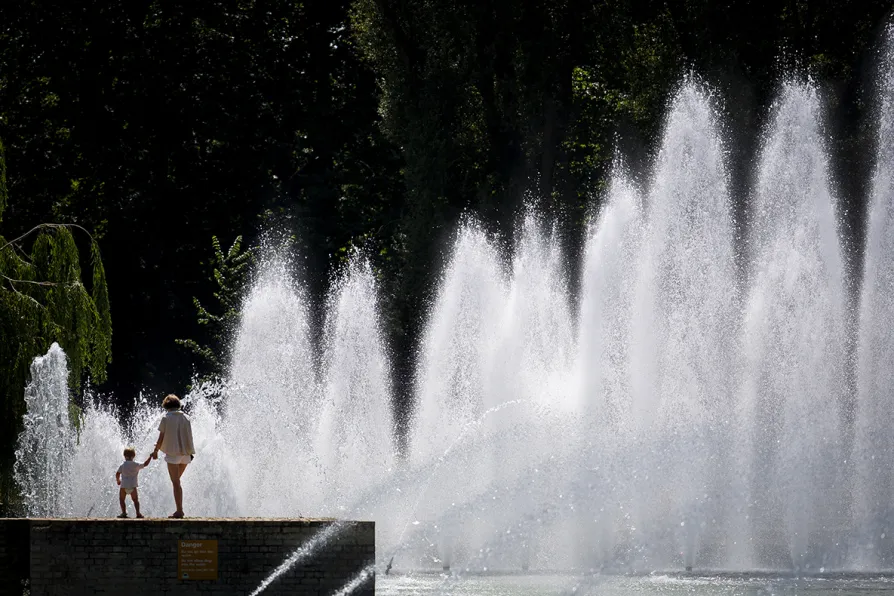
Extreme heat is now one of the defining public health challenges of a warming world, explains Prof IAN WILLIAMS
19.01.1930-23.04.2026
Kate Clark pays tribute to Ricardo, whose life spanned the hopes of Allende’s Chile, the horrors of military dictatorship and decades of campaigning for justice in exile
Keir Starmer's early political life suggests a very different future from the one he ultimately embraced, says KEITH FLETT
After the dismissal of union representatives and years of precarious working conditions, Kimpton Clocktower workers are drawing a line, writes THOMAS BELL


THE illegal and unprovoked attack unleashed by the United States and Israel on Iran in February has certainly created a new reality in the Middle East and the rest of Asia.
The US and Israel had hoped that the new reality would be an Israeli dominated but US controlled region. Further, Israel clearly hoped for progress towards their oft-stated goal of a “Greater Israel.”
The fact is, whatever one’s thoughts might be about the regime in Tehran and whether or not the fighting gets going in earnest again, Iran inflicted a devastating military and diplomatic defeat to both Israel and the US.
The level of damage done by the Iranians has been kept a deep, dark secret. The damage caused on the Iranians by the US and Israel is obviously significant. But there is no doubt that Iran did inflict serious damage on the Israelis and the assets of the US in the region.
The Iranians showed that its control of the Strait of Hormuz represents a weapon of devastating proportions to the world economy. The Iranians have long said that it was never their intention to build a nuclear weapon. It has now been proved that the ability to close the strait is a potent weapon at its disposal.
Estimates are emerging from US sources to suggest that unless the oil starts fully flowing through the strait by August, the US is likely to quickly literally run out of oil.
Many observers predicted the importance of the strait. Fewer predicted that the Iranians would have the firepower to see off massive US and Israeli air attacks. Even fewer predicted that another nation in the region would end up in what can only be described as a diplomatic sweet spot.
That country is Pakistan which has acted as the main mediator in producing what the Iranians are calling the Islamabad Memorandum of Understanding between Tehran and Washington.
Pakistan successfully brought and kept the US and Iran in contact to produce the MoU and then, although they have yet to actually sit in the same room, to begin the 60-day negotiations over the technical details to end the conflict.
One of the by-products of the conflict is that nations in the region have lost trust that the US is willing or able to provide a security umbrella for the region.
The plummeting level of trust in the US is, of course, damaged every time the increasingly erratic US President Donald Trump opens his mouth or signs into his social media account in the middle of the night to post whatever nonsense comes into his head.
Regardless of Trump, there has always been an assumption that the US, with its massive military arsenal and its plethora of bases in the region from which it could launch attacks, would provide sufficient cover for Gulf nations.
The fact that Iran was able to attack and hit US assets across the region largely at will has been a wake-up call to the other nations of the region.
One story emerging relates to how one of the top leaders of Saudi Arabia rang up the Iranian delegation as they threatened to walk out of the talks in Switzerland because of the latest intemperate remarks made by Trump about blowing up Iran and how if they didn’t reach a deal the Iranian delegation wouldn’t even make it home.
A senior Saudi prince is said to have called the Iranians to guarantee that billions of dollars (of Iran’s own money) would be paid back to them in the possible scenario that the US reneged on the deal.
The Saudis made it very clear that a deal between the US and Iran must reached and stuck to.
Of course just weeks ago Trump told a Saudi-backed investment meeting that the Saudi Crown Prince Mohammad bin Salman was “kissing my ass” while working together in the ongoing Middle East war against Iran.
Humiliating comments such as this are hardly designed to make someone as self-important as the Crown Prince jump up and down with glee and pledge forever allegiance to the US.
Instead the Saudi appears to be shifting away from the orbit of the US.
It has emerged that the Saudis and other Islamic countries in the region are joining with Iran, Qatar, Egypt, Turkey and, importantly, Pakistan, to form a new regional security architecture that is independent of the US.
In essence, it’s a kind of “Muslim Nato.”
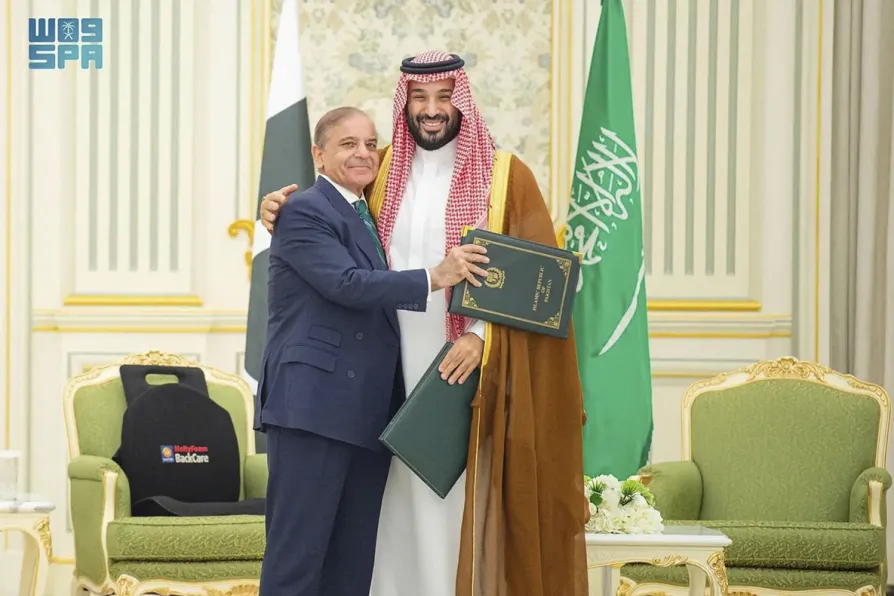
The security umbrella will reportedly be led by nuclear-armed Pakistan, which raises the importance of Islamabad in the region to a whole new level.
Some allege that Saudi Arabia has its own nuclear weapons and that it has provided some funding for Pakistan’s nuclear programme.
I point out the lofty position of power Pakistan appears to have achieved with no praise attached. Pakistan is a thoroughly authoritarian regime which imprisoned its former prime minister Imran Khan on what appears to be the flimsiest of evidence and regularly clamps down hard against any opposition.
In that respect it will find itself right at home with the other nations I have mentioned as being set to take part in this new security arrangement.
But there is little doubt that Pakistan has come out of the US and Israeli war against Iran in very good shape, with a new enhanced status in the region.
But Pakistan’s main rival in the region, India, led by the far-right Bharatiya Janata Party under Narendra Modi, is likely looking at these developments with even more horrors than Israel may have.
The so far unanswered question is what will be the response of New Delhi to the enhanced role of Pakistan.
India is also a declared nuclear power. It will be deciding whether the new security arrangements being proposed poses a threat to Indian interests, and what kind of response that might warrant.
This will include where India wants to position itself in relation to the US security establishment and its fixation with China.
In May Pakistan Prime Minister Shehbaz Sharif made a high-profile visit to China where he met with Chinese leaders, including President Xi Jinping.
The timing was not coincidental to the mediator role being played by Pakistan to end the war against Iran.
One point of the joint statement agreed between the two countries said: “China appreciated Pakistan’s efforts in facilitating the temporary ceasefire between the US and Iran and holding the Islamabad talks.
“Both sides reiterated early implementation of the five-point initiative for restoring peace and stability in the Gulf and Middle East region. The two sides expressed their readiness to jointly make positive contributions for the early restoration of peace and stability in the region.”
US efforts to undermine and ultimately defeat China play an important role in the region.
But what all of this also amounts to is a structural challenge to India’s own standing in Washington, which rests on a foundation that Pakistan’s fixer model cannot replicate.
This amounts to a deep technology and defence-industrial partnership, a diaspora of several million with genuine political weight, and a strategic rationale — balancing China in the Indo-Pacific.
We are witnessing a huge geopolitical shift taking place in front of our very eyes. Few experts predicted that Pakistan would be at the heart of that shift.
It remains to be seen how far these changes will go and how the US, Israel and India will inevitably attempt to undermine it.

Similar stories
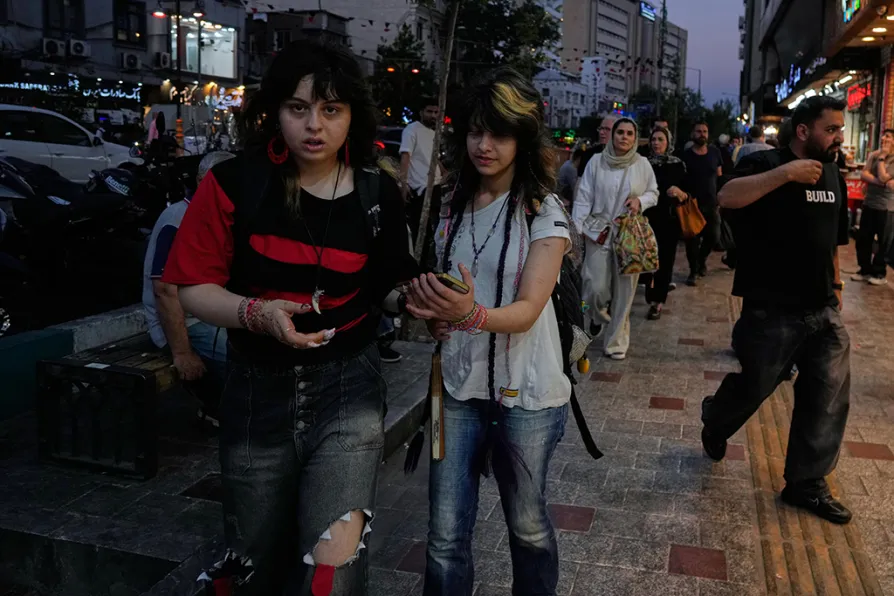
The ceasefire may have halted the fighting for now, but years of economic warfare and recent military attacks have left millions of Iranians facing hardship and uncertainty, says Codir’s RUBEN BRETT
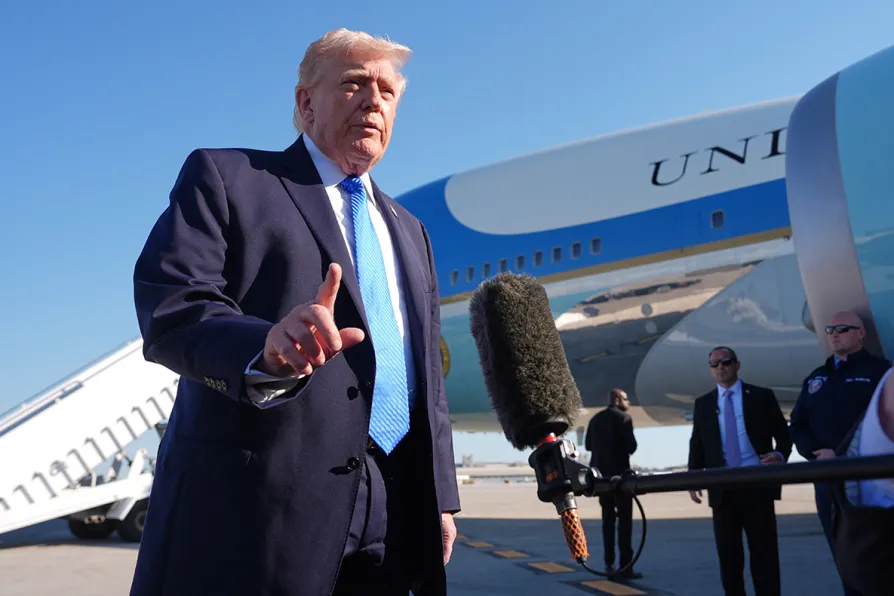
RAMZY BAROUD and ROMANA RUBEO analyse how the US has consistently negotiated in bad faith to secure the element of surprise in military attack
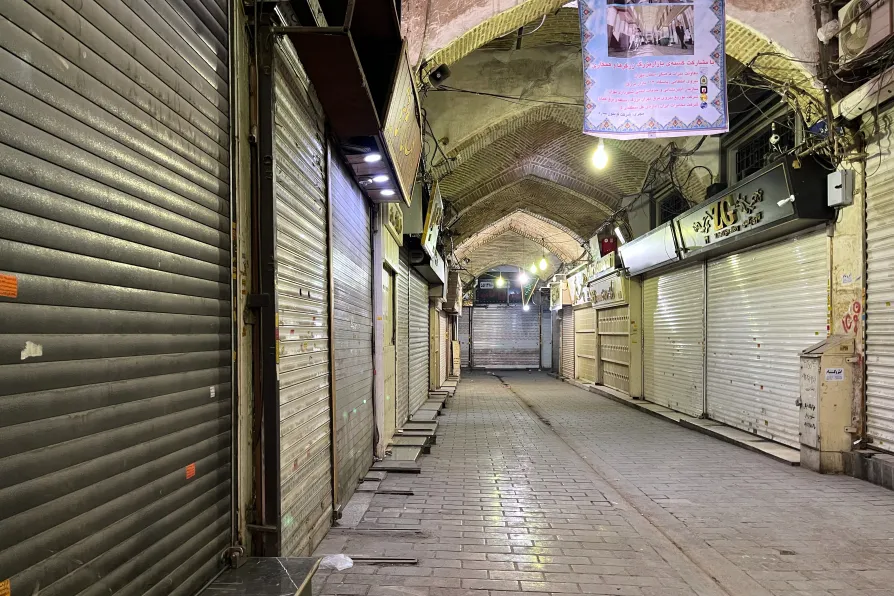
Trump threatens war and punitive tariffs to recapture Iranian resources – just as in 1953, when the CIA overthrew Mossadegh and US corporations immediately seized 40% of the oil, says SEVIM DAGDELEN