Latest editorial
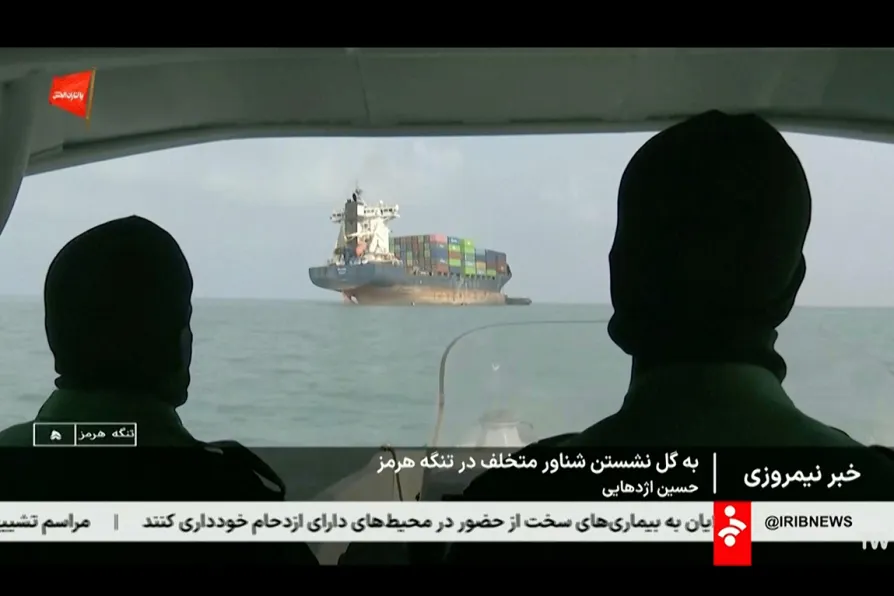 This frame grab of footage aired Wednesday, July 1, 2026, by Iranian state television shows a vessel that ran aground in the Strait of Hormuz




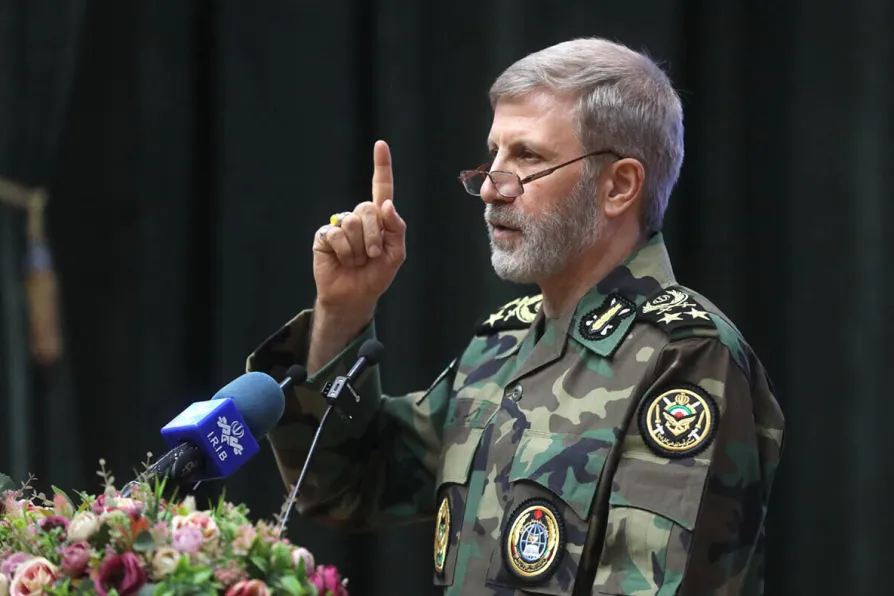
IRAN’S joint military command warned today that oil tankers moving through the Strait of Hormuz must use approved routes or face a “forceful response.”
The statement from the Khatam al-Anbiya command came after US and Iranian diplomats met mediators in Qatar on Wednesday, with Pakistan and Qatar both reporting “positive progress” in indirect talks.
“Any failure to comply, deviation from the designated route, or disregard for the navigation protocols of the Islamic Republic of Iran in the Strait of Hormuz will be met with an immediate and forceful response from the armed forces, endangering the security of the violating vessels,” the statement said.
Iran also warned that the presence of US fighter jets over the strait “causes insecurity in this waterway and threatens regional security,” adding that any US interference “will be considered a threat to Iran’s national sovereignty and will be met with a rapid and decisive reaction.”
The strait has emerged as a central issue in negotiations to end the war.
Under an interim deal, ships had been allowed to pass without charges for 60 days, but Tehran insists it must control vessel routes and eventually charge fees — a demand rejected by the US and many Gulf Arab states.
An effort by Oman and a UN agency to launch an alternative route near Oman’s shore sparked attacks across the Middle East last weekend.
Iran is preparing for the funeral of Supreme Leader Ayatollah Ali Khamenei, killed in the war’s opening moments in February.
Pakistan’s foreign ministry said the next round of talks would be scheduled as soon as possible after the funeral.

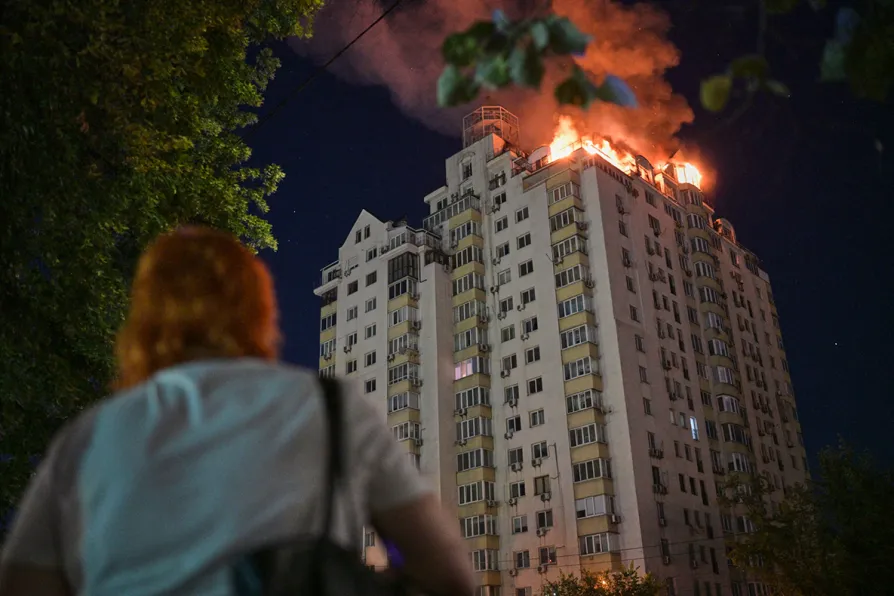
The US-Israeli conflict with Iran has had far-reaching consequences, including a boost to Pakistan’s regional standing, argues ROGER McKENZIE
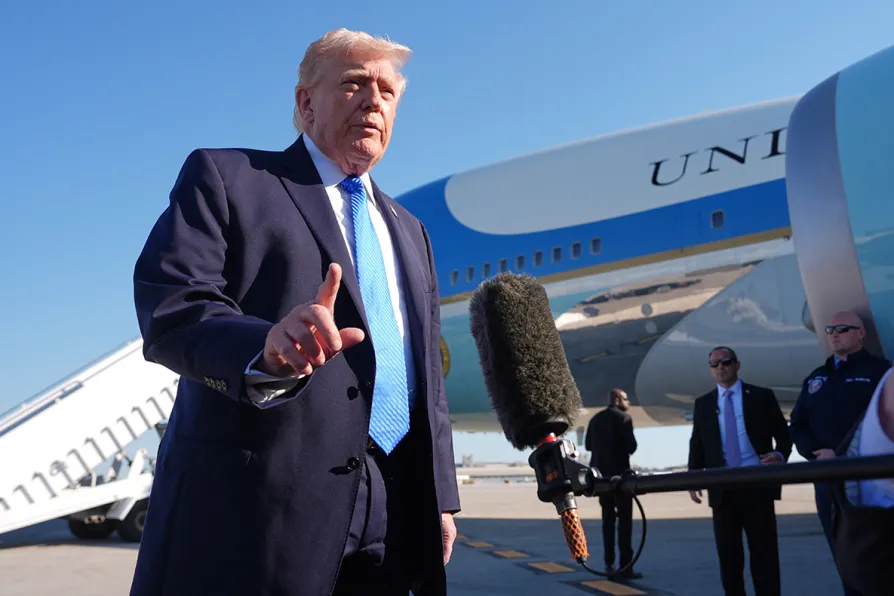
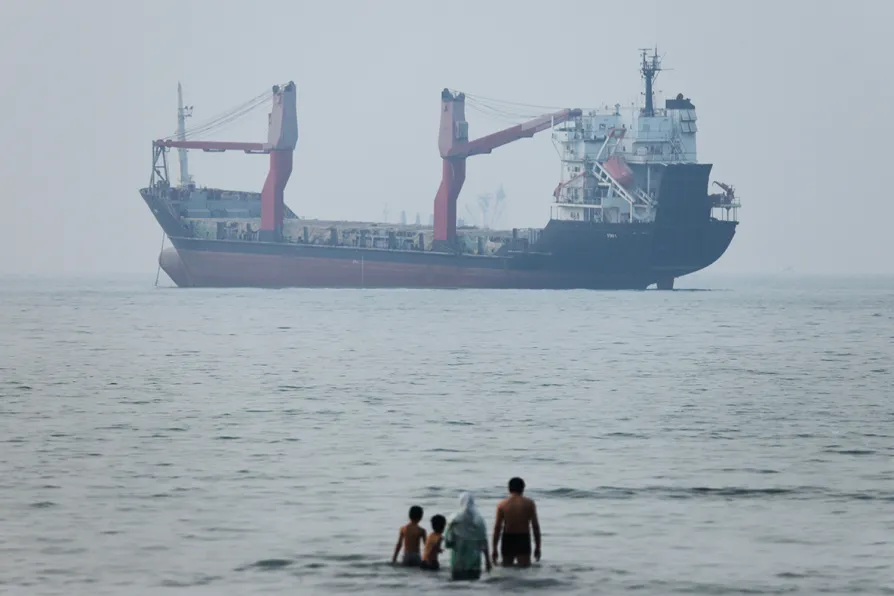
RAMZY BAROUD and ROMANA RUBEO analyse how the US has consistently negotiated in bad faith to secure the element of surprise in military attack
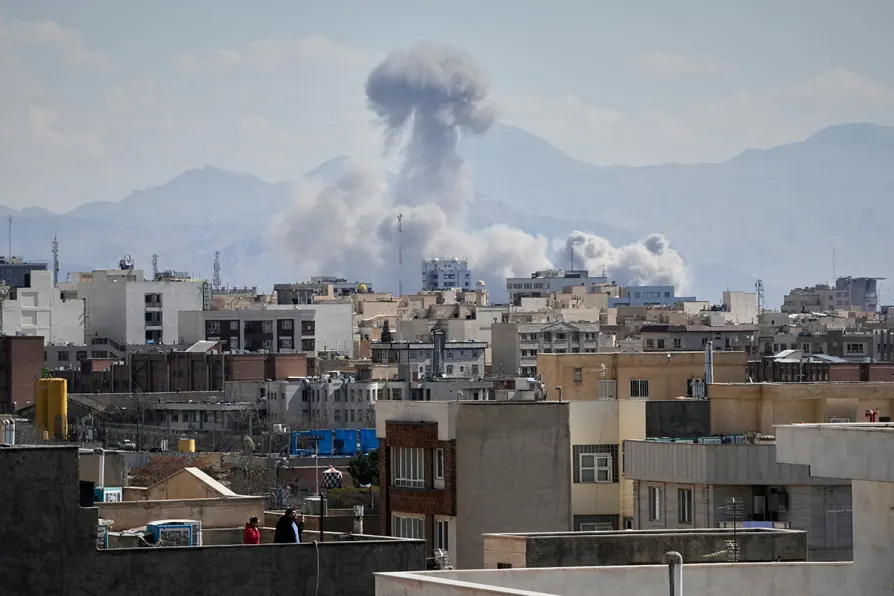
Tehran retaliates with attacks on Israel, the Gulf Arab states and crude oil flows