Latest editorial
Government's plan means ‘extra cash for war and overseas interventions, but less for schools and hospitals,’ Unison general secretary Andrea Egan warns
 Prime Minister Sir Keir Starmer delivers a speech during a visit to Malloy Aeronautics in Berkshire following the publication of the long-delayed defence investment plan, June 30, 2026




LABOUR’S £15 billion increase in military spending could lead to more than 20,000 job losses, research suggested today as Britain’s largest union slammed the government’s “wrong priorities.”
Analysis by Transition Security Project estimated the Defence Investment Plan (Dip) would lead to a net loss of 10,000 jobs due government departments’ capital budgets being slashed to fund the Ministry of Defence.
These losses would more than double should the £4.7 billion that is currently unfunded within the Dip be raised from further cuts to other services, the transatlantic research centre said.
Unison general secretary Andrea Egan said: “This timely analysis highlights how making cuts to government departments to bankroll more military spending will result in job losses.
“This costly and wasteful plan means extra cash for war and overseas interventions, but less for schools and hospitals. These are the wrong priorities. We need to go to war on poverty, inequality and climate change.”
Today Downing Street was unable to say where exactly the £10.3bn cuts to Whitehall spending which will fund the plan will come from. A decision on where the unfunded £4.7bn will come from will be made at the Budget in the autumn.
The energy department stands to lose more than £3.9bn in capital investment by 2030, transport £2.4bn and health £1bn by 2030, should it come from departmental cuts, the research group said.
Prime Minister Sir Keir Starmer unveiled the plan on Tuesday claiming that it would modernise the armed forces so they are prepared for drone attacks and war with Russia.
The authors of the analysis added that while cuts have been made across government to fund the Ministry of Defence, the department wrote off £1.6bn in projects last year and assesses its own fraud risk to be £1.5bn.
Study co-author Kevin Cashman said: “The Dip shows the risk of tying military spending to an artificial share of national income.
“The Nato target, set by arbitrary share of GDP, has created extreme pressure to increase the UK’s military budget, and the government has turned to austerity as a result, cutting urgent public needs like addressing the climate crisis.
“The one department that benefits from public luxury is the Ministry of Defence which wastes billions every year and is not held to account for cancelled programmes.
“Jobs will be lost in the UK because of this settlement while the benefits of rising European spending flow to the US, where Mark Rutte claims nearly 200,000 jobs are supported by our military budgets.”
Transition Security Project co-director Khem Rogaly added: “The idea that military spending can provide a defence dividend is misleading: job losses will result from this latest funding settlement while the opportunity cost of military spending is sharp.
“Far more jobs are created when investing in public needs like health, education and addressing the climate crisis.
“This latest data suggests that the turn towards autonomous weapons and AI could also mean that military spending creates even fewer jobs per pound than before.”
Communist Party general secretary Alex Gordon said: “As transport workers and travellers endure another summer heatwave that has become a familiar feature of climate breakdown, the choice to cut £2.4bn from transport investment by 2030 is sheer folly.
“Britain’s transport infrastructure from ports to roads and railways is already groaning under the impact of climate change.
“Britain needs investment in resilient infrastructure to create economic growth and new jobs for the next generation of young workers.
“The £15bn Defence Investment Plan is a dead weight on future jobs and training for young workers and a signpost on the road to future wars.”
Today the Campaign for Nuclear Disarmament also warned that the government is risking nuclear war with its plans to see military spending soar by 27 per cent in real terms over this parliament.
CND general secretary Sophie Bolt said the Dip comes at “a time when nuclear risks are rising across Europe, this is exactly the wrong direction.”
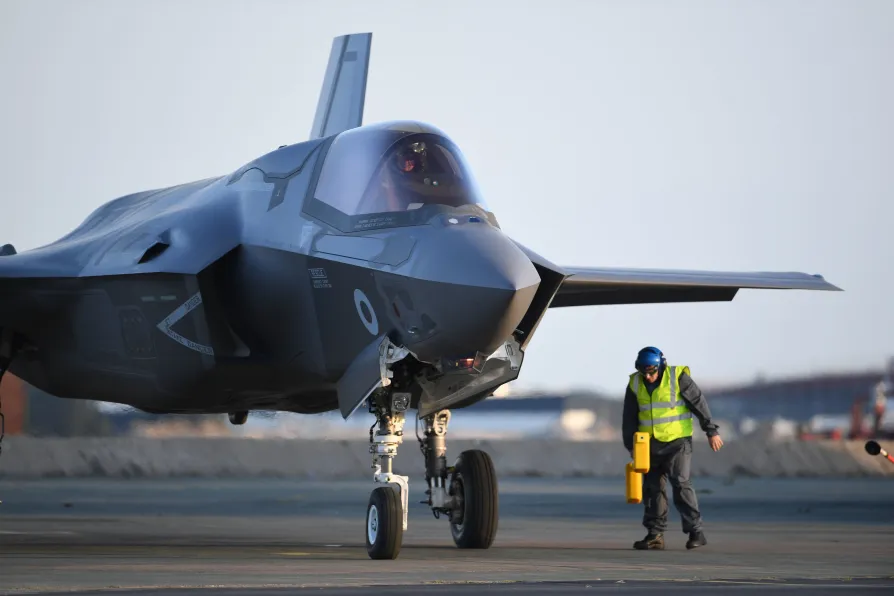
The government plan earmarks at least £64bn for Britain’s nuclear weapons over the next four years, including nuclear submarines, the development of a new nuclear warhead, and involvement in the Aukus pact, alongside Australia and the US, escalating the arms race in the Pacific.
Real security, Ms Bolt said, “means investing in people — not nuclear weapons. Britain should be leading international efforts for nuclear disarmament, diplomacy and peaceful conflict resolution instead of fuelling a new arms race.”



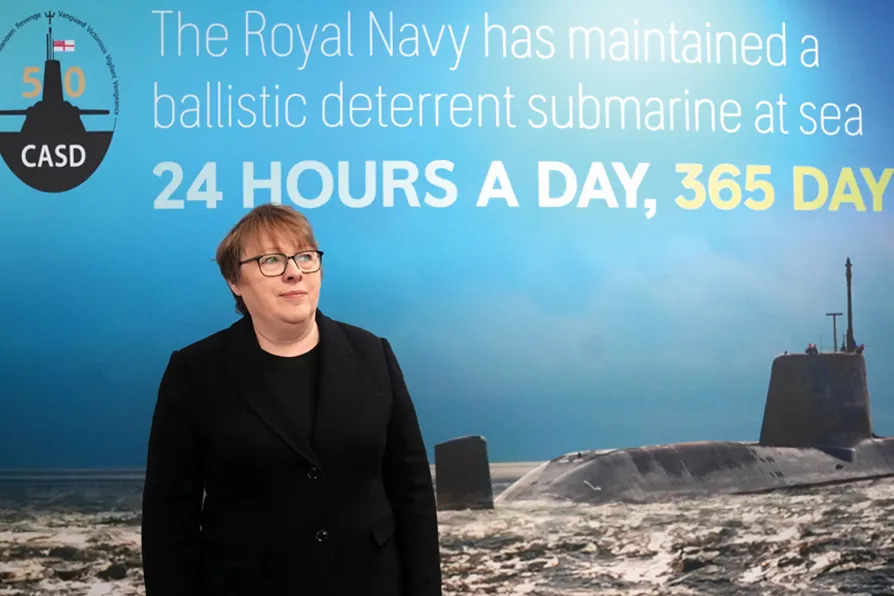
Expanding Britain’s nuclear capability increases the risk of nuclear confrontation. It does not keep us safe – it makes us a target, argues CAROL TURNER