Latest editorial
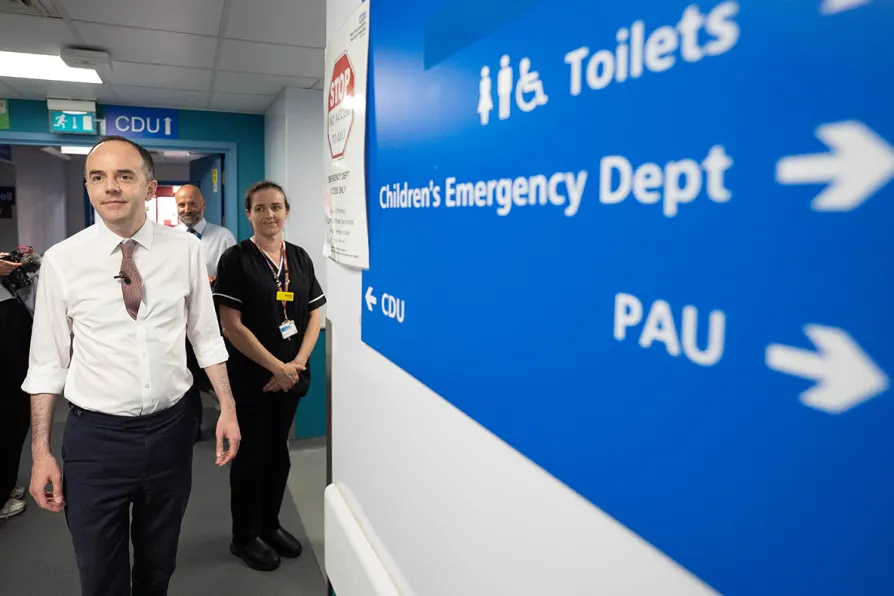 Health Secretary James Murray during a visit to Watford General Hospital in Hertfordshire, July 9, 2026



ANDY BURNHAM must urgently invest in the NHS to regain public trust, campaigners warned today, as official data revealed an increase in corridor care cases last month.
More than 3,181 patients were treated in corridors in June, with 2,432 patients in A&E and 749 in other wards, as officials said summer now puts as much strain on the service as winter.
NHS England recorded the increase from May, which saw 2,900 patients receiving at least 45 minutes of care in corridors.
Keep Our NHS Public (KONP) urged the likely next PM, Mr Burnham, to “grasp the seriousness” of the issue, which they say leads to 300 avoidable deaths every week and an “intense mental health toll and burnout of NHS staff.”
Its co-chair Dr Tony O’Sullivan told the Morning Star: “This year-round level of pressure on patients and staff is dangerous, cruel and unsustainable.
“Only investment in public health services and staff will return the NHS to a safe and caring service for the population — and the economy.”
Dr O’Sullivan added that trust in the health service would be restored “only if Burnham takes responsibility, responds to this crisis and invests urgently in restoration of the publicly provided NHS.”
The data also revealed that “summer is now putting the NHS under just as much pressure as winter, with staff facing an onslaught of demand,” NHS national medical director Professor Frankie Swords said.
Health Secretary James Murray justified the decision to publish data on corridor care for the second time, calling the issue “unacceptable” and “undignified.”
He said he wants the service to be prepared for “heatwave pressures,” claiming he has already been working with NHS leaders to “make sure the plans are in place” for this.
Other official figures showed an estimated 7.28 million treatments were waiting to be carried out at the end of May, relating to 6.16m patients, up from 7.22m treatments and 6.11m patients at the end of April.
There was also a rise in patients facing long waits for treatment, with 104,734 waiting more than a year at the end of May, up from 99,781 at the end of April.
But 65.6 per cent of patients began hospital treatment within 18 weeks of referral, up slightly from 65.0 per cent in April.