Latest editorial
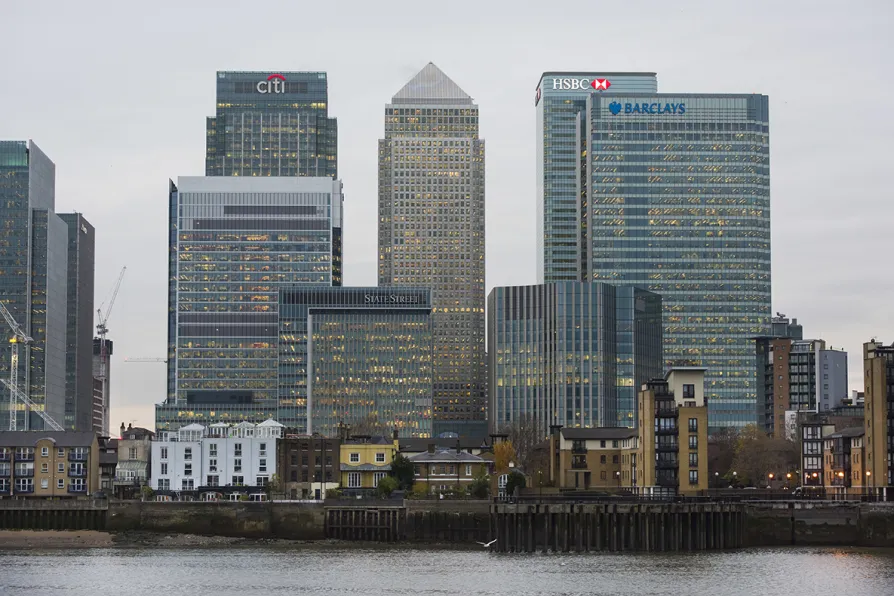 Canary Wharf in London


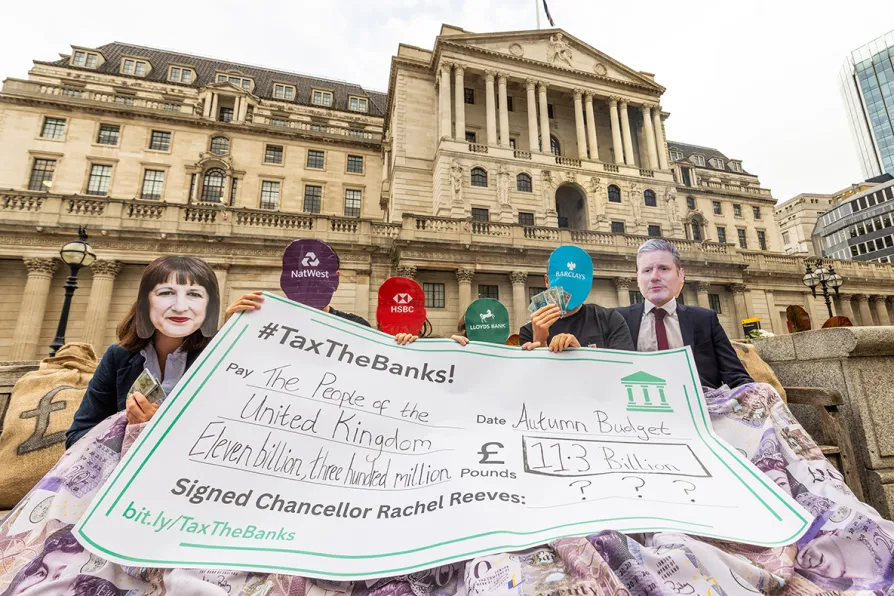
THE Trades Union Congress wants the bank surcharge tax to be upped. This is the added 3 per cent corporation tax on bank profits that exceed £100 million. This was reduced from 8 per cent by the Tories and Starmer Labour left the relief in place.
It is a rise in bankers’ bonuses which today underpins the call for both bank profits and bonuses to be reined in.
The TUC makes the compelling point that it is Donald Trump’s war on Iran that has unleashed economic chaos. It’s not clear quite why Trump’s war should be awarded this unique status when Nato’s arms spending spree and its proxy war in Ukraine is having such serious effects, present and anticipated, on the living standards of workers on our continent.
This one-sided approach to Starmer’s austerity-funded war drive is enabled by the illusions some union leaders have that spending on arms is the key to economic revival.
The TUC, working from HM Revenue & Customs figures, calculates that bank profits were £35.2 billion and is calling for an increase in the surcharge.
So well and good in itself. But the way in which banks and bankers aggregate the profits arising from the economy raises important questions about the way money is made in our parasitic rent-seeking economy. And about where profits go.
What is the crime of robbing a bank compared with the founding of a bank?
The question raised by the communist playwright Bertolt Brecht in his The Threepenny Opera was given political force by the critical role German bankers played in awarding Hitler the chancellorship of Germany at precisely the point at which united action among workers and progressive elements in German society was beginning to erode his base.
The head of the Reichbank, Germany’s central bank, was one Hjalmar Schacht. He spearheaded the drive among Germany’s businessmen and bankers to fund the Nazi Party as the opposition to a working-class movement that was overcoming the divisions arising from the suppression of the 1918 German revolution.
With the experience of the post-first world war German economic crisis, Germany’s moneyed elite feared a socialist revolution, most especially as the planned and growing Soviet economy was seen by many in the working class as a real alternative.
This is not to say that we can expect the urbane Andrew Bailey, the current director of the Bank of England, to organise a cabal of bankers to fund Rupert Lowe’s fascist-leaning formation.
He is trying to manage a capitalist crisis, but not one so deep that our ruling class needs to press into service the present crop of bankers and bureaucrats to fund Tommy Robinson’s boot boys.
But that some City types, speculators and money men are already prepared to put up the cash to underwrite the fascist fringe in a bid to make it more mainstream is alarming. It bears thinking through what circumstances might turn Threadneedle Street toxic. And what we can do to remove the private owners of banks from power and profit.
Of course, if bankers were just well-remunerated employees of publicly owned or co-operative entities where the profits which arise from judicious investment in the productive economy were managed in a socially useful way, we would have no such fear.
One lesson we can draw is that public ownership likely engenders higher moral values than the present system which awards predatory banking practices with obscene bonuses; and corporate rent-seeking with massive profits.
Taxing excess profits is, of course, a positive thing in itself. But public ownership allows for all the profits to be invested for the good of society as a whole rather than for the individual.

Trade unions call for windfall tax hike to fund social energy tariff to public’s energy bills
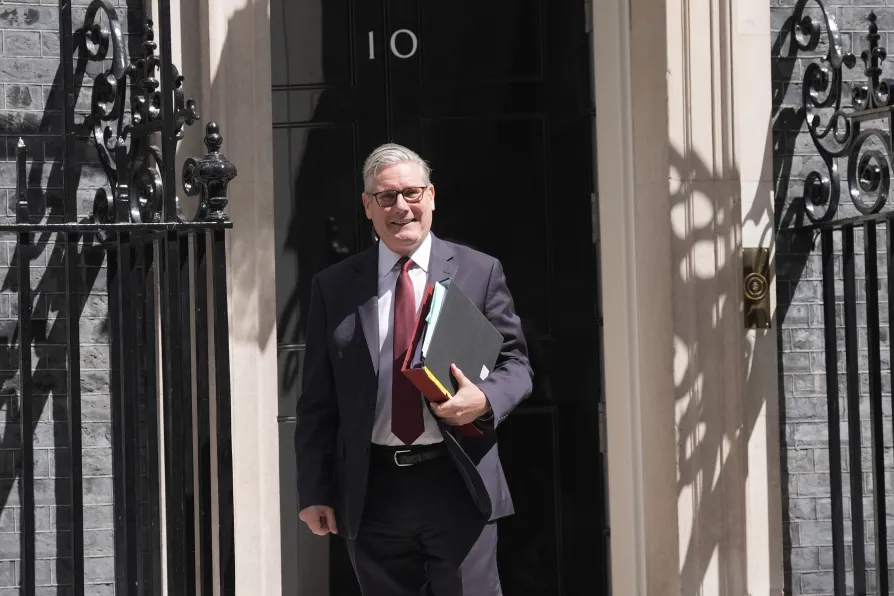
Starmer sabotaged Labour with his second referendum campaign, mobilising a liberal backlash that sincerely felt progressive ideals were at stake — but the EU was then and is now an entity Britain should have nothing to do with, explains NICK WRIGHT