

 Latest editorial
United Nations experts slam Britain for ‘perpetuating serious human rights violations’
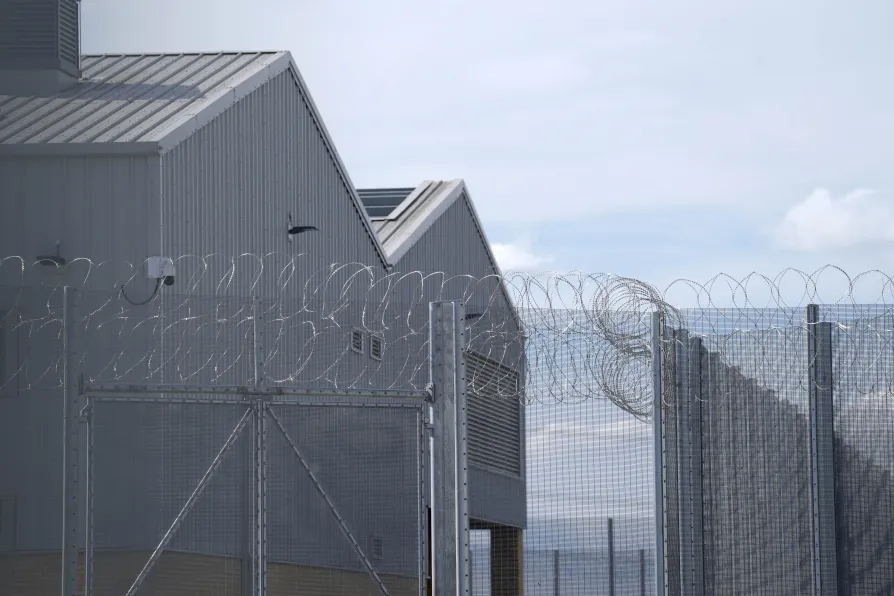





REDOUBLE efforts to “eradicate the stain” of preventative detentions, the government was urged today as United Nations experts slammed Britain for “perpetuating serious human rights violations.”
Campaigners demanded incoming PM Andy Burnham listen to human rights experts calling for an “urgent review and resentencing exercise for individuals still subject to Imprisonment for Public Protection (IPP) sentences” in England and Wales.
Prison Reform Trust deputy director Mark Day said: “The UN’s intervention should be a wake-up call to the government to redouble its efforts to eradicate the stain of the IPP sentence.”
IPPs were introduced in England and Wales in 2005, intended for people considered to be “dangerous” but whose offence did not merit a life sentence.
Prison reform groups have been pushing for the urgent review and resentencing exercise for the thousands of people still subject to IPP sentences today.
Held under IPP, this means they are not being held for a crime they have committed but for what they could do in the future.
“Thousands of people remain trapped in prisons under a scheme that Parliament itself abolished more than a decade ago,” the UN human rights experts said on Wednesday.
They called on the government to urgently resentence almost 2,400 remaining IPP prisoners, adding that jail terms have left prisoners trapped in a cycle of “excessive punishment, repeated recall, deteriorating mental health, and diminishing hope.”
“These penalties involve prolonged uncertainty and cause serious psychological deterioration among prisoners, including an increased risk of self-harm and suicide. Such punishments may amount to psychological torture,” they added.
Howard League for Penal Reform chief executive Andrea Coomber KC said today that with the “new prime minister and Cabinet coming in, we hope that solving the ongoing injustice of IPPs finally becomes a priority.”
She told the Morning Star: “Although 13 years have passed since the IPP sentence was abolished, it continues to cause despair to those serving it, and to their family and friends.”
Ms Coomber added the UN recommendations deserve “serious consideration,” alongside those published by an IPP expert working group convened by the Howard League last year, and that a lasting solution is finally reached for all those still serving the sentence.
The Prison Reform Trust’s deputy director acknowledged the government’s IPP action plan “has made some limited progress” but that “without legislative change, it alone will not solve this injustice.”
Mr Day said: “The government has already rejected options to introduce a resentencing exercise or a sunset clause — the only definitive ways to bring the sentence to an end for the 800 people in prison who have never been released and continue to be held years beyond the expiry of their original tariff.”
The Prison Officers’ Association (POA) said it was time the government “abided by previous recommendations to thoroughly review and assess those prisoners incarcerated under the IPP legislation.”
National chairman Mark Fairhurst told the Star: “Not every prisoner serving these sentences will present a risk to the public.
“Some have served the equivalent of life sentences for relatively petty crimes committed in their younger, immature years.
“Until we finally accept that this cohort of prisoners deserves to be released under supervision these sentences will remain a stain on the criminal justice system and a failure of the government to right this wrong.”
UN experts highlighted the case of eight individuals whose stories were transmitted to the government.
One such story was that of Joseph Brady, who spent 18 years in prison on a tariff of four years, released and recalled four times.
He has reportedly experienced severe mental health issues over the uncertainty of indefinite detention.
Another was Kerry Parish-McCann, who served 17 years on a tariff of three years for robbery. Human rights experts said she repeatedly cycled between release and recall while experiencing significant trauma, instability and repeated episodes of self-harm.
“These are not isolated cases,” the experts said. “They illustrate wider systemic failings that have left many individuals trapped in a cycle of excessive punishment, repeated recall, deteriorating mental health and diminishing hope.”

NORMA AUSTIN HART reports from a conference on on the rights of women prisoners in the Scottish criminal justice system

Our members face serious violence, crumbling workplaces and exposure to dangerous drugs — it is outrageous we still cannot legally use our industrial muscle to fight back and defend ourselves, writes STEVE GILLAN

Mental health fears push Peers to change law on IPP torture sentences, reports Charley Allan