DOUGLAS FIELD relishes the hard-boiled language, satire and humour of the third and last of the Harlem trilogy


 Latest editorial
A dystopian future rearranges the past
GORDON PARSONS is intrigued by a pessimistic novel in which Hitler is removed from history, to little effect
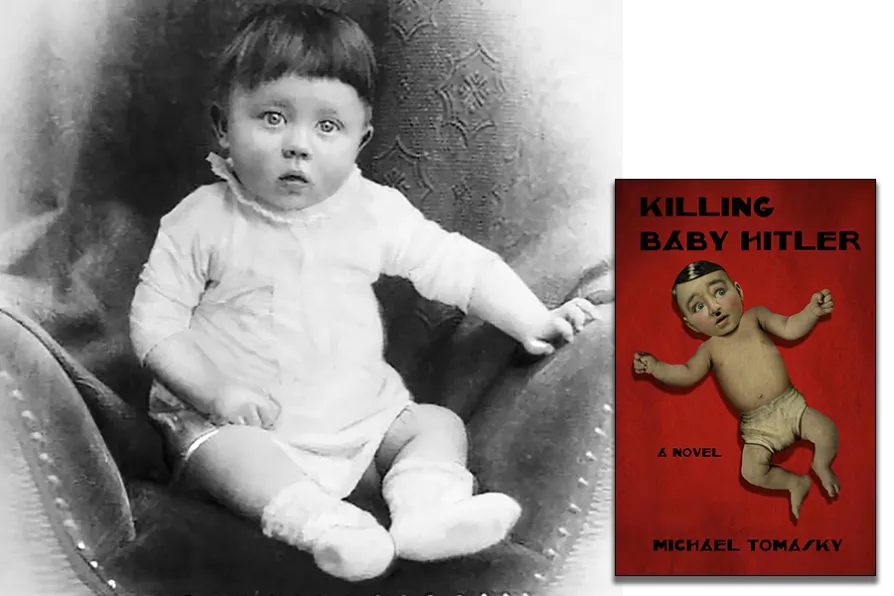 Adolf Hitler as an infant, cca 1889/1890 [Pic: German Federal Archives/CC]
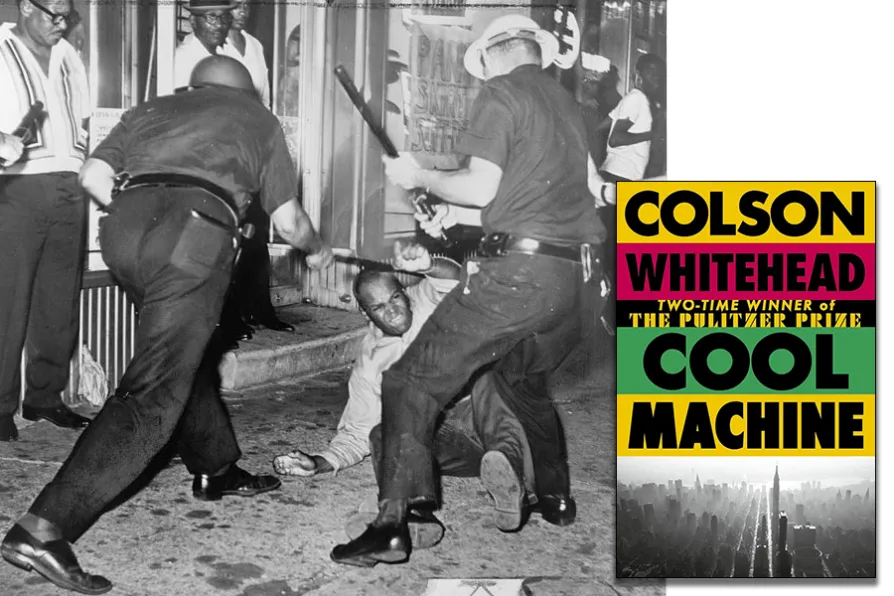
STEPHANIE BROWN draws attention to the hidden labour of the female embroiderers, and how a 19th century replica made no such error
MIK SABIERS revels in a band that ploughs an idiosyncratic furrow of expletive laden, guitar-driven alt rock
ANDY HEDGECOCK, MARIA DUARTE and ANGUS REID review Synthetic Sincerity, Our Hero, Balthazar, Heartstopper Forever, and A Year In London
The bard invites readers to a gig, raps for Clacton, and lays out the Burnham-Hurzeler conundrum
RON JACOBS recommends an important book that enhances the oppositional theories put forth by Fanon and, in doing so, remakes psychology itself




Killing Baby Hitler
Michael Tomasky, OR Books, £19.99
IF you could return to the past, what would you choose to change in order to make the present a better world? This is one of the questions Michael Tomasky treats in what he calls his eccentric novel.
In fact, much science fiction, both in literature and film, engage with this situation. If you are not a sci-fi fan, however, do not turn off! It has been observed that most science fiction is not a prediction, only an exploration of what is possible. This page-turner, with its intriguing title, raises far more questions about where our present world might be heading.
Set in the 22nd century, the world is now controlled by giant corporations. Freecorps, the most powerful, is controlled by Jayden, an ex-megastar — a kind of Taylor Swift — who under the tutelage of one of the dictators of the “Enlightening,” the final defeat of democracy, had used her worldwide popularity to establish her power.
Freecorps has discovered Tallmanium, the first new element found since 2078, ironically the product of the massive amount of detritus our period had dumped in unused mine shafts polluting the Earth, and from it has developed a chemical that can be used with rain to prepare “Project Vitality” whereby the world’s population will be reduced to servile impassivity.
At the same time the company’s outlying small scientific experiment department has at last created a long sought after time machine. The scientists know that Jayden would use it “strictly for pecuniary purposes” rather than any universal benefits. Of the many alternative possibilities of the latter, they decide that if Hitler had never lived, our world would have avoided the Holocaust.
Two members volunteer to return to 1889 Austria to deal with the newly born Adolf. After some amusingly and uncomfortable discoveries about late 19th century small-town Austrian life the two inept would-be assassins nevertheless succeed in removing Hitler from world history and travel back to their own transformed world, leaving their victim in his own time, rechristened Melvin, growing up in Detroit. No spoilers, but now it’s a case of Nature versus Nurture!
Earlier Michael Tomasky has presented us with a detailed and quite credible account of what has happened to our present world through the next two centuries — large parts of it uninhabitable, the breakdown and break-up of our present national power structures, (no US, the world’s richest men buying and renaming huge slabs of land such as Kushner-Greenland, with minor wars such as that between Gates One and Trump Two).
Now it is a matter of a counter-factual commentary — no second world war happened, therefore no establishment of Israel and so, “no Palestinian Nakba; hence the two sides lived, if not in peace and harmony, at least in the absence (for the most part) of violence.”
But much of history without Hitler had remained the same. For example, Roosevelt “was just another two-term president … He led the nation out of the Depression, more or less, and much of the New Deal still happened in this reality, including Social Security but the results weren’t so overwhelming that history’s favourable verdict was automatic. In future years, historians would rate him seventh on lists of presidents — above the scoundrels and drunks but below the greats.”
The author moves between places and times with kaleidoscopic dexterity, often leaving the reader on edge to know where we are going, while the voice of Tomasky’s narrator, is informed with an ironical timbre that offsets any fancifulness of his tale.
The author concludes on a sombre note: “Time is the one thing over which we have no control.”

Similar stories

FIONA O’CONNOR questions the achievement of this year’s Orwell prize winner for political fiction
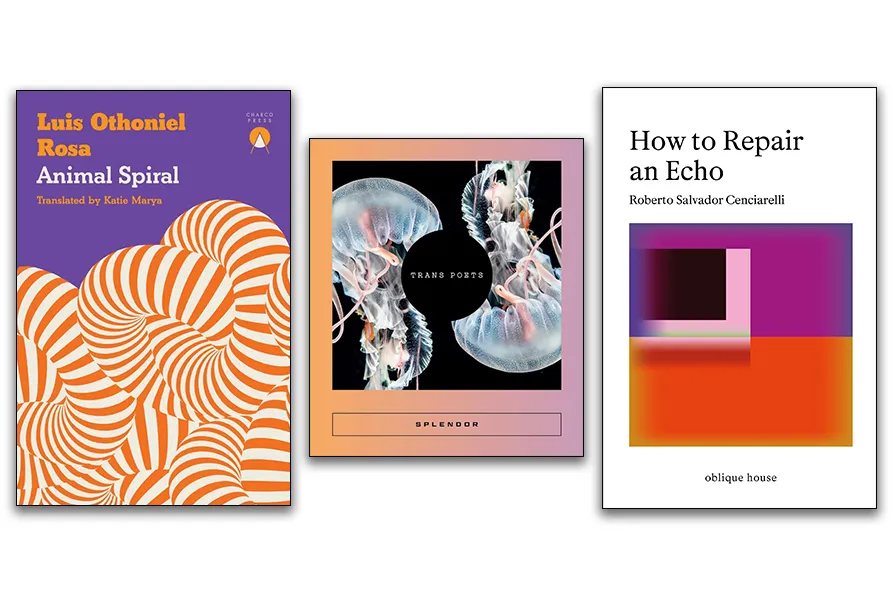
From post-human revolution in Puerto Rico to trans poetics and queer mythmaking, these three books that imagine new ways of being together
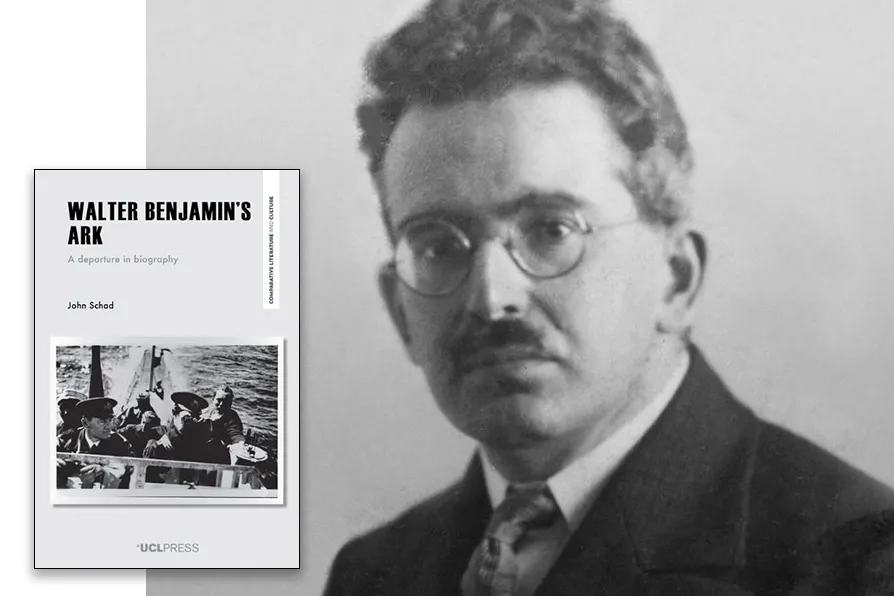
GORDON PARSONS is intrigued by a biography of the Marxist intellectual and author, made from the point of view of his son
GORDON PARSONS is enthralled by an erudite and entertaining account of where the language we speak came from