IAN LAVERY MP warns that decades of neoliberal policies have left former industrial communities behind — but a renewed Labour commitment to working people could change the political landscape


On the art of saying no
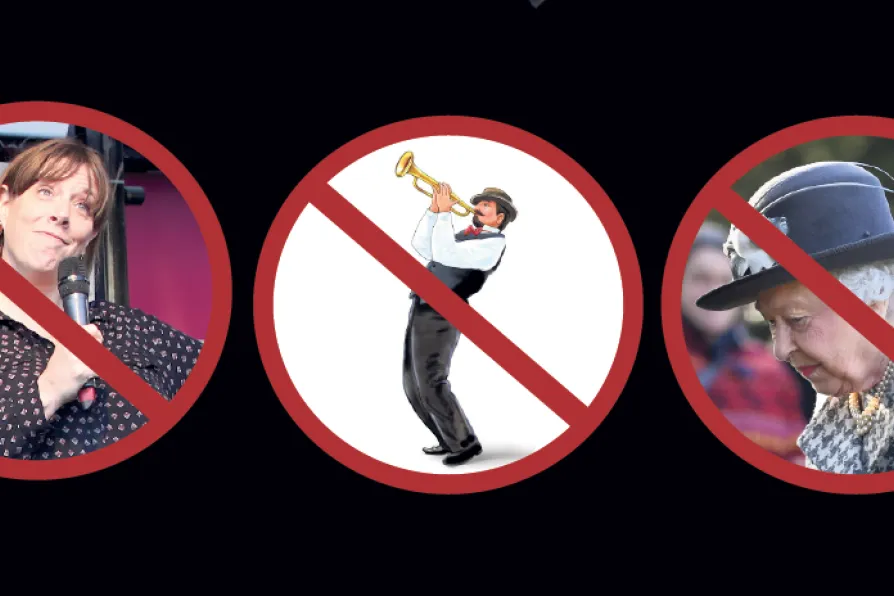
REUBEN BARD-ROSENBERG reports on a week where Harry and Meghan said no to the royals, Dawn Butler and Richard Burgon said no to the Board of Deputies and the Labour membership said no to Jess Phillips


PAOLO SANTALUCIA reports on how an Italian region defies US pressure to end a Cuban doctors programme
HENRY FOWLER outlines the GFTU’s new 2026-27 education programme and argues that investing in trade union education is essential to building worker power, developing leaders and strengthening collective action
We need a government that invests in saving lives not destroying them, argues SOPHIE BOLT
More expensive by weight than gold, saffron is surprisingly simple to grow. MAT COWARD explains
The public inquiry is the result of more than a decade of determined campaigning. Now, those who fought for justice want the full story of government involvement and police conduct to be told, says KATE FLANNERY
The Durham Miners’ Gala is a celebration of working-class culture, but also a call to action — to rebuild workers’ collective strength, says KIM JOHNSON MP




THIS has been a good couple of weeks for the art of saying “no.” We begin of course with Megxit. Like you, I initially found this term quite annoying. And yet it has grown on me, as I have come to understand the similarities between Harry and Meghan’s refusal to honour their royal obligations, and Britain’s departure from the European Union.
Neither process has exactly been a victory for progressive forces. And yet both have disrupted an established instrument of class rule. And perhaps most importantly, both have sparked joy by provoking such audible grief amongst so many very irritating people.
In the case of Megxit, it is the aggressively miserable wing of British society who are up in arms. These are the sort of people who leave bad reviews on Trip Advisor, and who have opinions on whether other people are dressed smartly enough. They consider a permanent fancy dress pageant to be part of their birthright, and they are quite deliciously irked by Harry’s refusal to carry on participating in it.

Similar stories

As Scotland heads to the polls, the main parties offer variations on the same script, says MATT KERR

David Nicholson spoke to BETH WINTER about her bid to become a Senedd member as an independent running on a community grassroots campaign

With ‘Your Party’ holding its founding conference in Liverpool this weekend, JEREMY CORBYN speaks to Morning Star editor Ben Chacko about its potential, its priorities — and a few of its controversies too
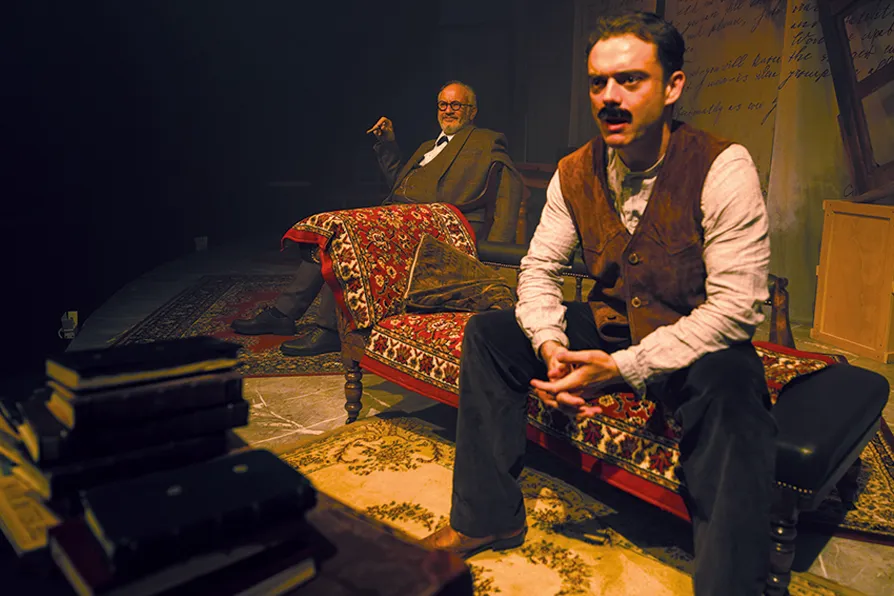
JAN WOOLF is beguiled by the tempting notion that Freud psychoanalysed Hitler in a comedy that explores the vulnerability of a damaged individual