STEPHANIE BROWN draws attention to the hidden labour of the female embroiderers, and how a 19th century replica made no such error


 Latest editorial
Clay for today
MICHAL BONCZA recommends some striking work by contemporary female potters and ceramicists
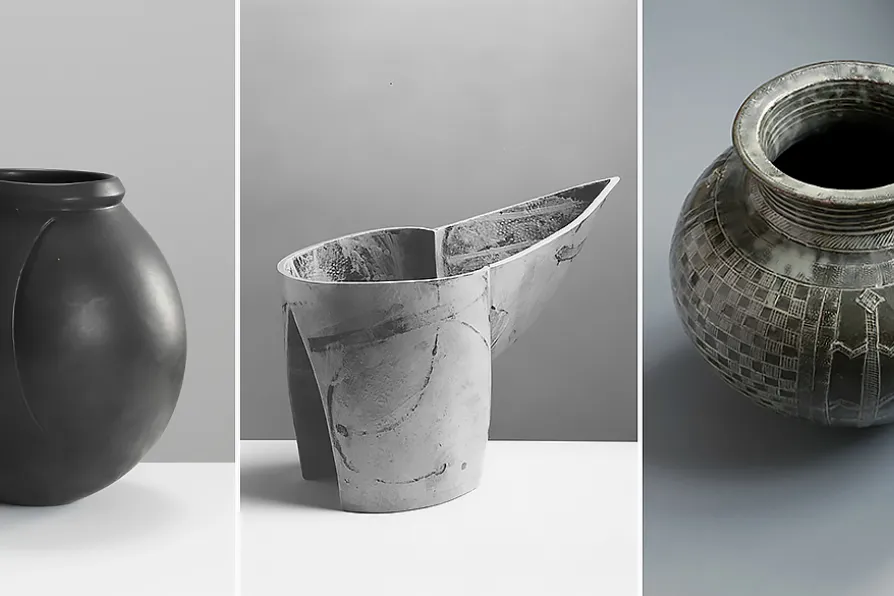 FIRED UP: (Left to right) Magdalene Odundo, Early Vessel; Alison Britton, White Pot, 1991 and Ladi Kwali, Water Jar, c1960s

MIK SABIERS revels in a band that ploughs an idiosyncratic furrow of expletive laden, guitar-driven alt rock
ANDY HEDGECOCK, MARIA DUARTE and ANGUS REID review Synthetic Sincerity, Our Hero, Balthazar, Heartstopper Forever, and A Year In London
The bard invites readers to a gig, raps for Clacton, and lays out the Burnham-Hurzeler conundrum
RON JACOBS recommends an important book that enhances the oppositional theories put forth by Fanon and, in doing so, remakes psychology itself
JAN WOOLF relishes an extensive history of our long relationship to trees in Britain that underlines the current emergency
DIANE WATT argues that while evidence of sex is not there, a 16th‑century lesbian poet could be Scotland’s answer to Gentleman Jack




Pioneering Women
Oxford Ceramics Gallery
PRODUCING utilitarian ceramic vessels is one the most ancient and well-documented human activities. Archaeologists digging at any site anywhere in the world prioritise, above all else, locating pottery as a trusted source of information.
The word ceramic derives from the Greek “keramos” meaning pottery, or a potter, and its Sanskrit root used to mean “burnt stuff.” Hence ceramic describes objects which have been formed with clay, hardened by firing and decorated or glazed.
A kitchen dating back 20,000 years was unearthed in a cave in China in the early 2000s, with a wealth of pottery fragments and a similar find in Britain — the Windmill Hill “cooking” pot — dates back to the Neolithic period of 4,000 BC. Today’s meat-and-lentil stew recipes can be traced to that era.

Similar stories
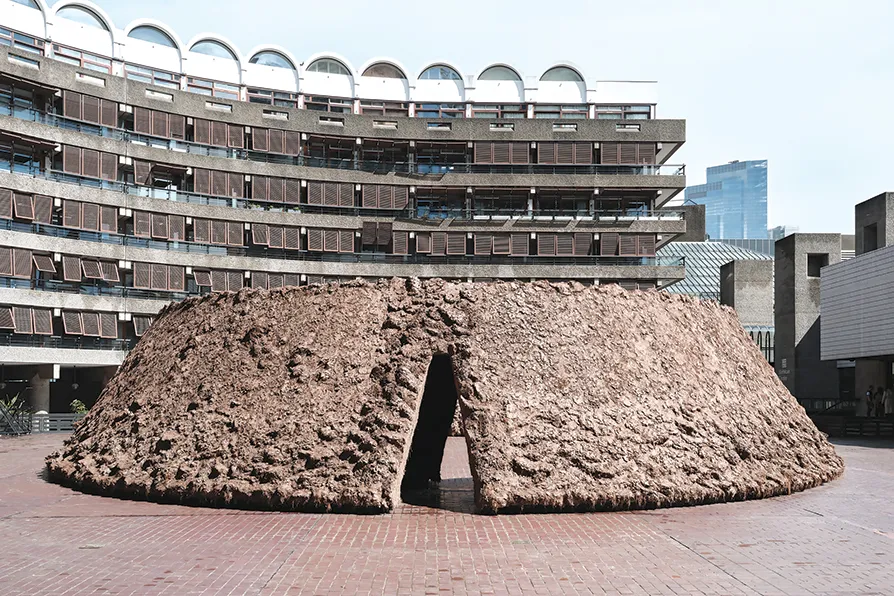
MICHAL BONCZA recommends a minimalist installation that prompts intriguing connotations
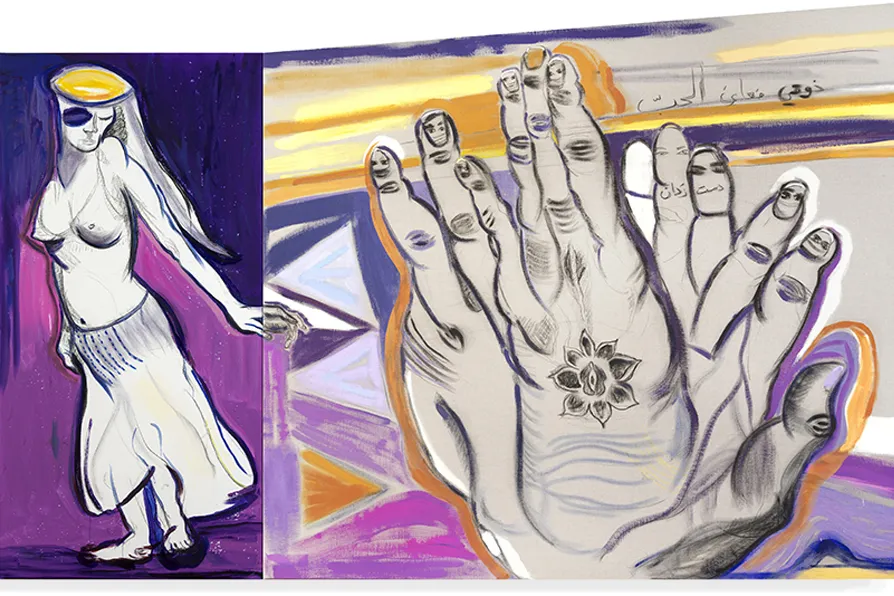
SIMON PARSONS applauds an artist who rescues and rehumanises stories of women, the victims of violence, from a feminist perspective
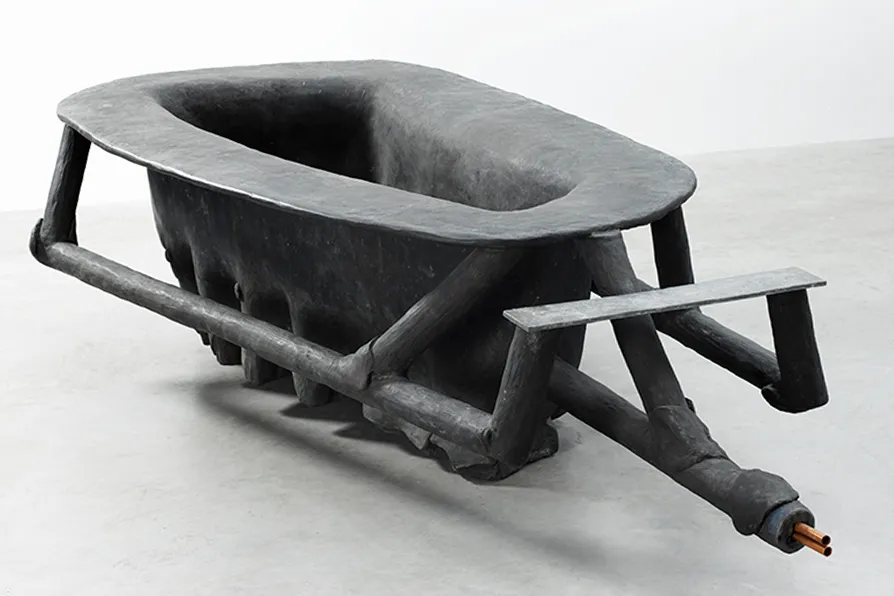
JAN WOOLF ponders the works and contested reputation of the West German sculptor and provocateur, who believed that everybody is potentially an artist

CHRIS HOOFE calls for support for GMB’s Potters’ Pledge campaign, aimed at making sure the historic pottery industry based in Stoke-on-Trent is supported over cheap, low-quality imports and counterfeits