MIK SABIERS revels in a band that ploughs an idiosyncratic furrow of expletive laden, guitar-driven alt rock


 Latest editorial
Equestrian sculptures of Manuel Rodriguez in Chile and Jose Gervasio Artigas in Uruguay
Innovatory tributes to leaders of popular rebellions
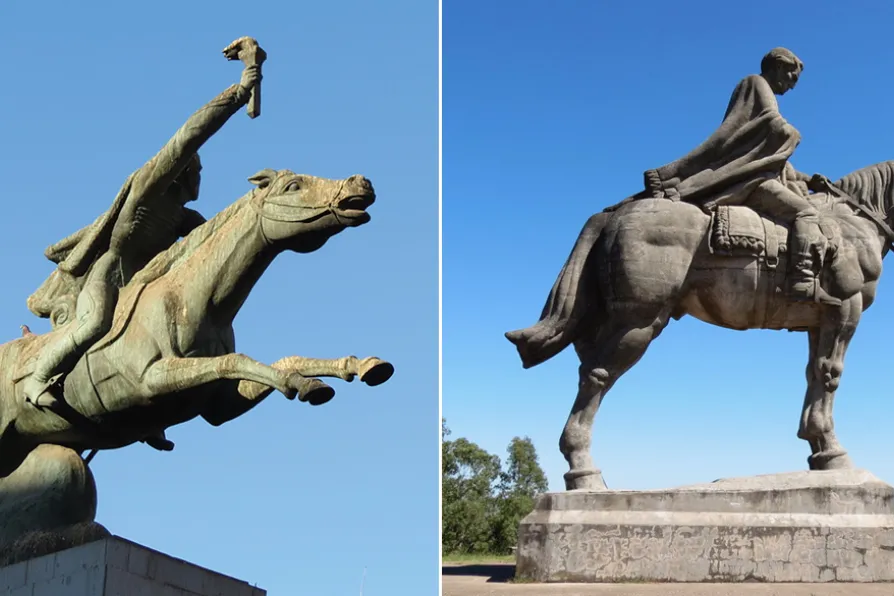 (L to R) Manuel Rodriguez; Jose Gervasio Artigas
[Kees van Tilburg/equestrianstatue.org]
(L to R) Manuel Rodriguez; Jose Gervasio Artigas
[Kees van Tilburg/equestrianstatue.org]

ANDY HEDGECOCK, MARIA DUARTE and ANGUS REID review Synthetic Sincerity, Our Hero, Balthazar, Heartstopper Forever, and A Year In London
The bard invites readers to a gig, raps for Clacton, and lays out the Burnham-Hurzeler conundrum
RON JACOBS recommends an important book that enhances the oppositional theories put forth by Fanon and, in doing so, remakes psychology itself
JAN WOOLF relishes an extensive history of our long relationship to trees in Britain that underlines the current emergency
DIANE WATT argues that while evidence of sex is not there, a 16th‑century lesbian poet could be Scotland’s answer to Gentleman Jack
KEITH RICHMOND relishes a superbly conceived modern version of Aeschylus’ drama of murderous family succession



WHILE equestrian statues are probably the most ubiquitous of all public monuments in Western towns and cities, their aesthetics are predictably formulaic.
Three or four standard formats are replicated ad nauseam and most are offensive examples of wars waged by the rapacious elites of any given country.
Roman emperor-philosopher Marcus Aurelius, whose 2,000-year-old equestrian statue is the oldest complete one in existence, is without armour or weapons as befits a supposed bringer of peace.

Similar stories

In the final part of LAYTH YOUSIF'S series on the history of the NY Cosmos, he traces their experiences which have made them the team that always has success in their sights
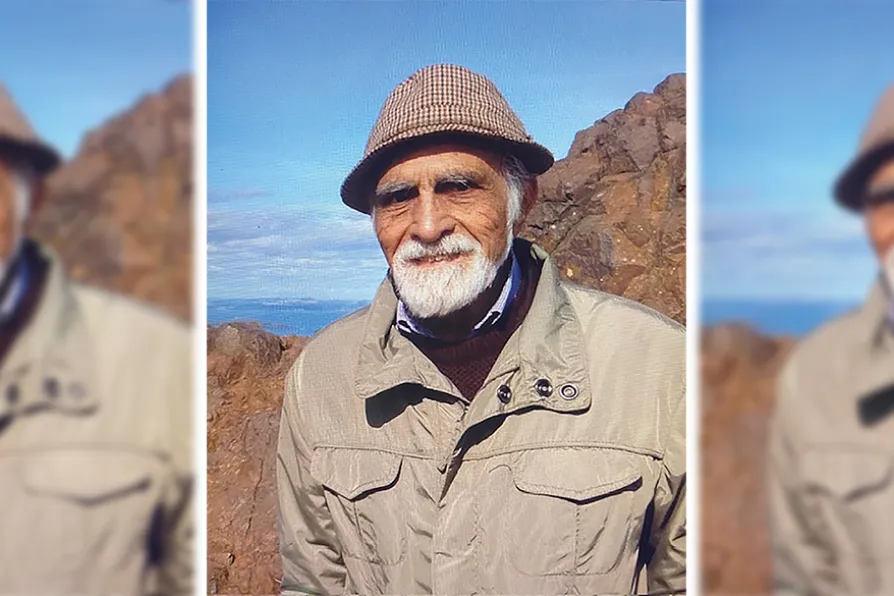
19.01.1930-23.04.2026
Kate Clark pays tribute to Ricardo, whose life spanned the hopes of Allende’s Chile, the horrors of military dictatorship and decades of campaigning for justice in exile
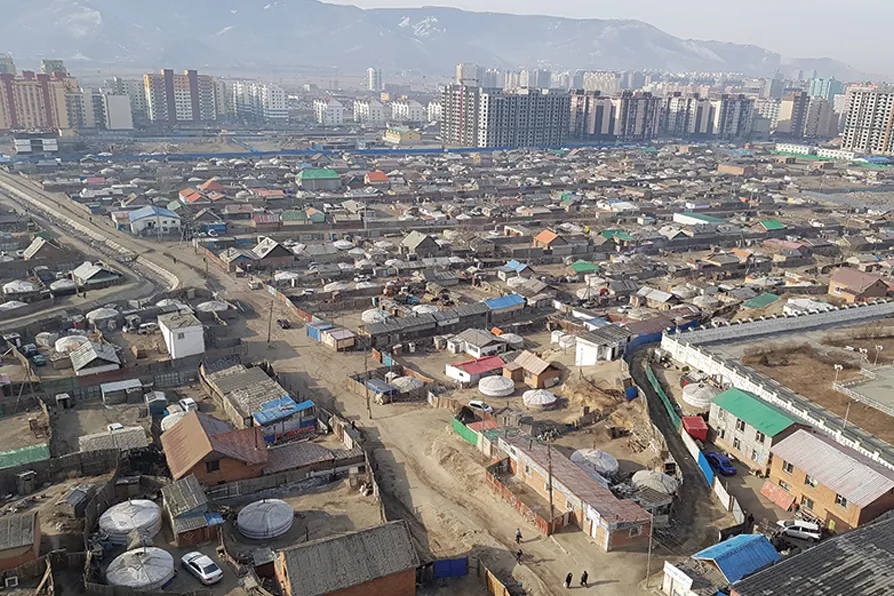
Coal-fired stoves in traditional homes are the primary source of extreme levels of air pollution in over-crowded Ulaanbaatar. As more people become climate-displaced, the situation is likely to worsen, write SCIENCE AND SOCIETY

Far-right forces are rising across Latin America and the Caribbean, armed with a common agenda of anti-communism, the culture war, and neoliberal economics, writes VIJAY PRASHAD