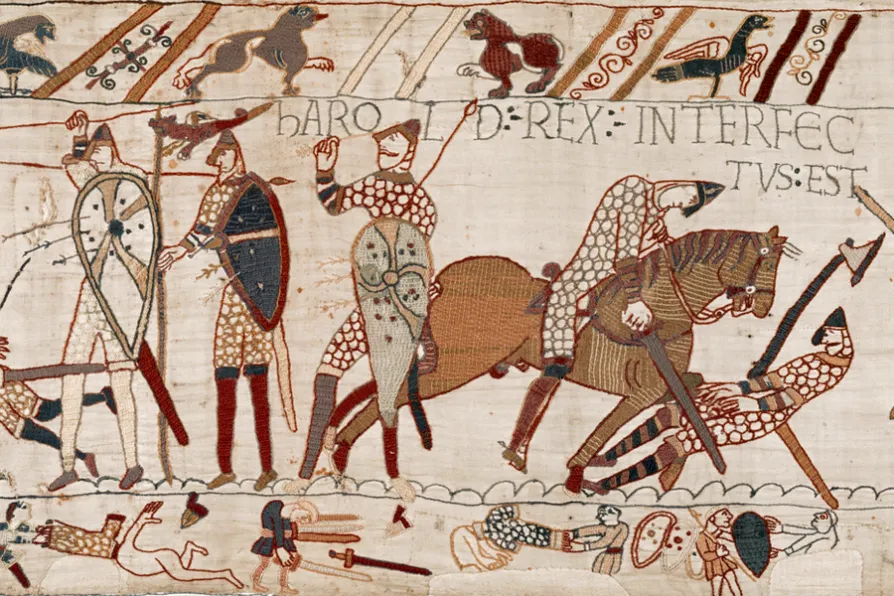
STEPHANIE BROWN draws attention to the hidden labour of the female embroiderers, and how a 19th century replica made no such error


 Latest editorial
The Kamenska anti-fascist memorial
 Art In The Open Kamenska Anti-Fascist Memorial, Blazuj Hill, Kamenska, Croatia before and after being deliberately destroyed
[The Spomenik Monument Database]
Art In The Open Kamenska Anti-Fascist Memorial, Blazuj Hill, Kamenska, Croatia before and after being deliberately destroyed
[The Spomenik Monument Database]
MIK SABIERS revels in a band that ploughs an idiosyncratic furrow of expletive laden, guitar-driven alt rock
ANDY HEDGECOCK, MARIA DUARTE and ANGUS REID review Synthetic Sincerity, Our Hero, Balthazar, Heartstopper Forever, and A Year In London
The bard invites readers to a gig, raps for Clacton, and lays out the Burnham-Hurzeler conundrum
RON JACOBS recommends an important book that enhances the oppositional theories put forth by Fanon and, in doing so, remakes psychology itself
JAN WOOLF relishes an extensive history of our long relationship to trees in Britain that underlines the current emergency
DIANE WATT argues that while evidence of sex is not there, a 16th‑century lesbian poet could be Scotland’s answer to Gentleman Jack




BETWEEN 1945 and 1960 the Yugoslav socialist state commemorated the multinational anti-fascist armed resistance on its territory during WWII with a series of spectacular modernist memorials, better known as “spomeniks” — a striking book about which was reviewed in the Star on November 13 2018.
That partisan war lead to the liberation of the Nazi-occupied territories and the creation of one of the most successful multi-ethnic, multi-faith and multi-national political constructs achieved by humankind since the days of Cyrus the Great of Persia in the 6th century BC.
The gigantic memorials’ abstract expressionist style — a bold, avant-garde move away from prevailing socialist realism — created breathtaking, open-air scenarios not only for mass remembrance gatherings but also as welcoming places to visit at all other times.

Similar stories
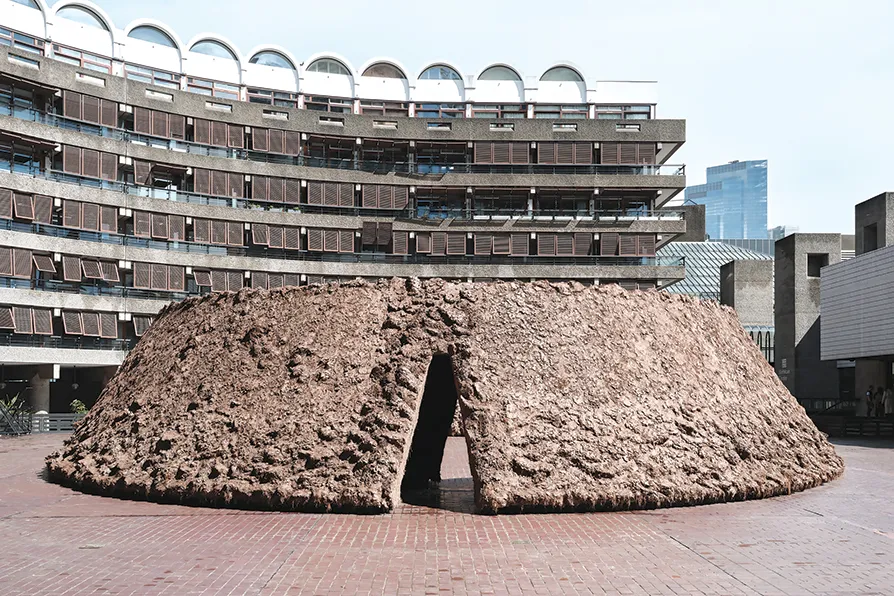
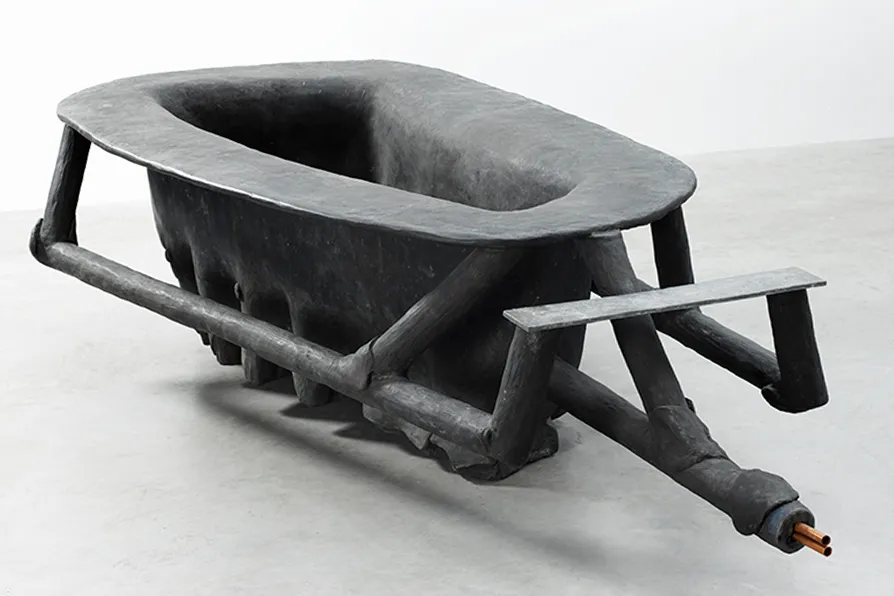
MICHAL BONCZA recommends a minimalist installation that prompts intriguing connotations
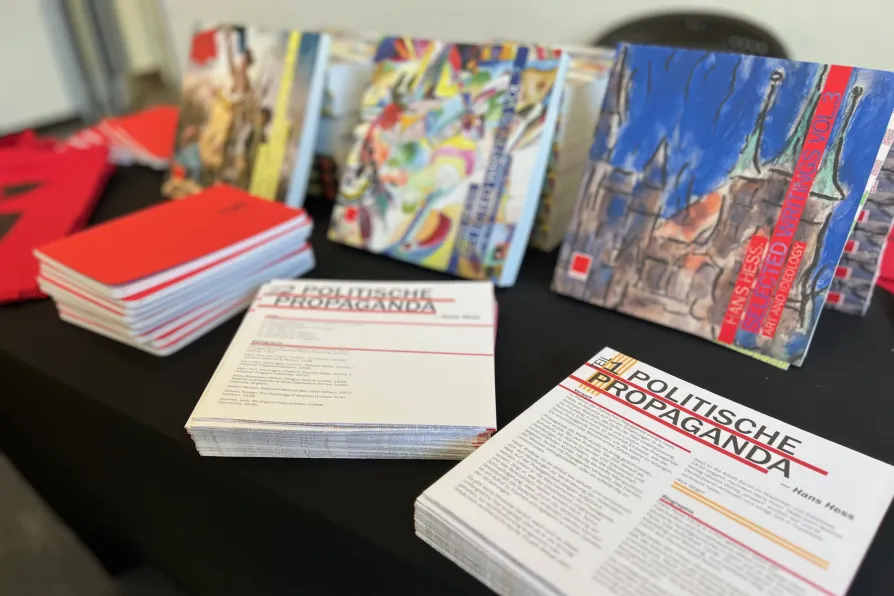
CHRISTOPHE IMMER of the Morning Star’s German sister paper Junge Welt reports on a Berlin conference on the politics of art and the legacy of Marxist critic Hans Hess
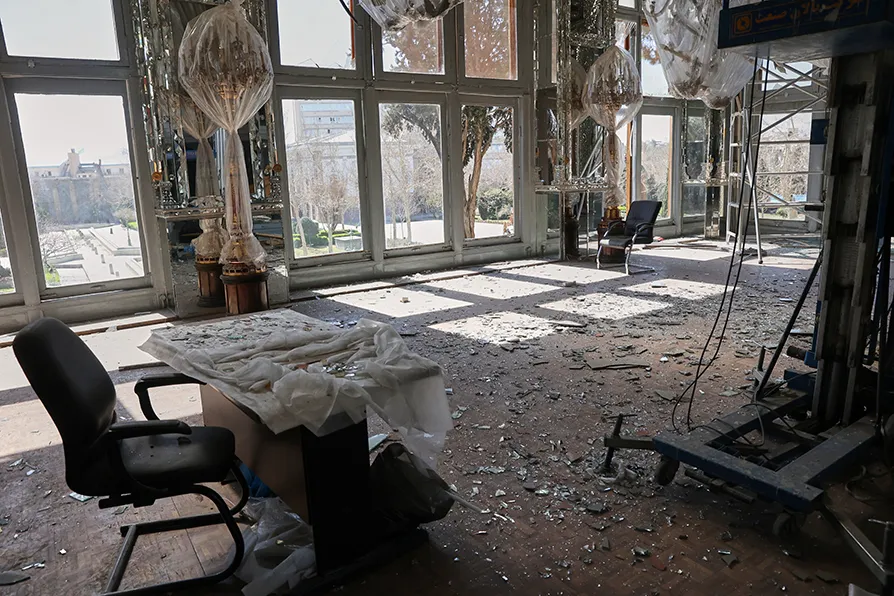
KATAYOUN SHAHANDEH surveys Iran’s cultural heritage and explains what has been damaged and what could be lost
JAN WOOLF ponders the works and contested reputation of the West German sculptor and provocateur, who believed that everybody is potentially an artist