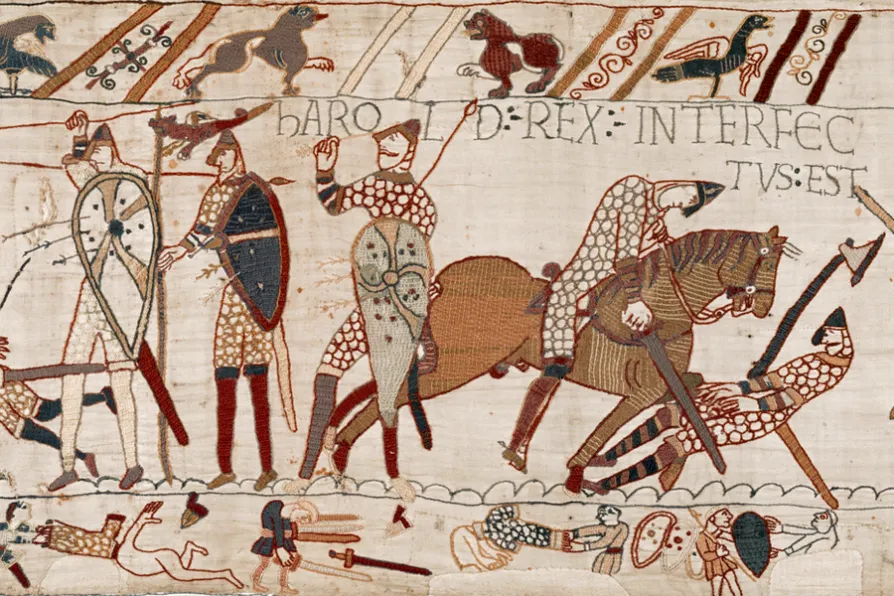
STEPHANIE BROWN draws attention to the hidden labour of the female embroiderers, and how a 19th century replica made no such error


 Latest editorial
A User's Guide to Melancholy
Robert Burton’s 1621 epic resonates today both as a literary work and a study in what we now call depression
 WRITER OF GREAT PROSE: Robert Burton, painted by Gilbert Jackson in 1635
MIK SABIERS revels in a band that ploughs an idiosyncratic furrow of expletive laden, guitar-driven alt rock
ANDY HEDGECOCK, MARIA DUARTE and ANGUS REID review Synthetic Sincerity, Our Hero, Balthazar, Heartstopper Forever, and A Year In London
The bard invites readers to a gig, raps for Clacton, and lays out the Burnham-Hurzeler conundrum
RON JACOBS recommends an important book that enhances the oppositional theories put forth by Fanon and, in doing so, remakes psychology itself
JAN WOOLF relishes an extensive history of our long relationship to trees in Britain that underlines the current emergency
DIANE WATT argues that while evidence of sex is not there, a 16th‑century lesbian poet could be Scotland’s answer to Gentleman Jack


DURING the Renaissance there was no such concept as melancholy, rather there were internal states veering from fear, despair, madness and even the “melancholia of love,” all thought of as disease.
The title of Mary Ann Lund’s book suggests that this is the kind of mind-body approach that we might agree with today but without the medieval concept of the four humours, chemical systems regulating human behaviour. Black bile was believed to be responsible for melancholia.
Lund, a scholar of Renaissance literature, guides us through Burton’s great work The Anatomy of Melancholy, dividing it into causes, symptoms and cures, the better to navigate what follows: Sorrow and Fear, Body and Mind, The Supernatural, Delusions, Love and Sex, Despair, The Non-Naturals, Medicine and Surgery, Lifting the Spirits. There is a terrific section on music and mirth.
Lund presents The Anatomy as a work of the imagination, with poetic accounts of how people “have found cheer for themselves when struck with melancholia” as well as those who’ve had “cheer” imposed upon them.

Similar stories

RON JACOBS recommends an important book that enhances the oppositional theories put forth by Fanon and, in doing so, remakes psychology itself
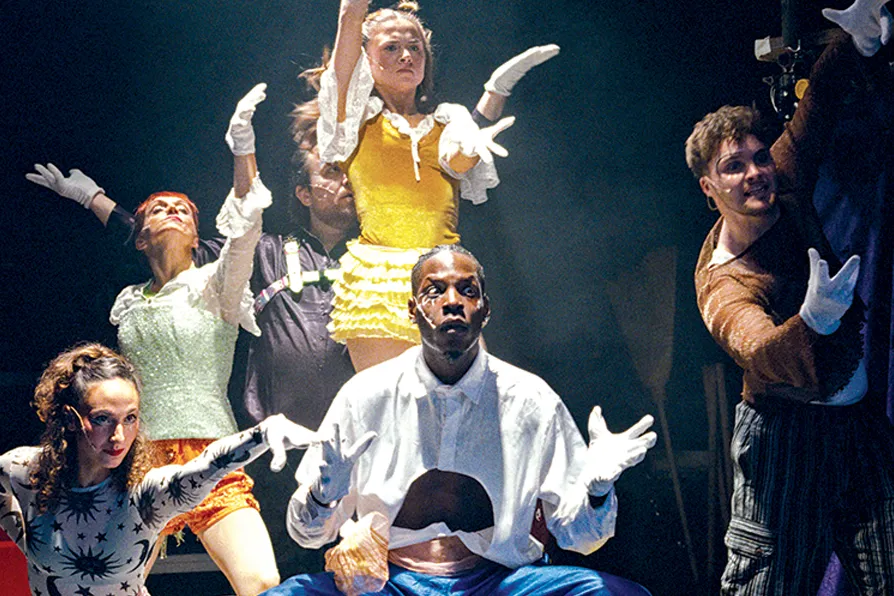
JAN WOLF enjoys a British revival of the 1972 come of age farce/panto Pippin
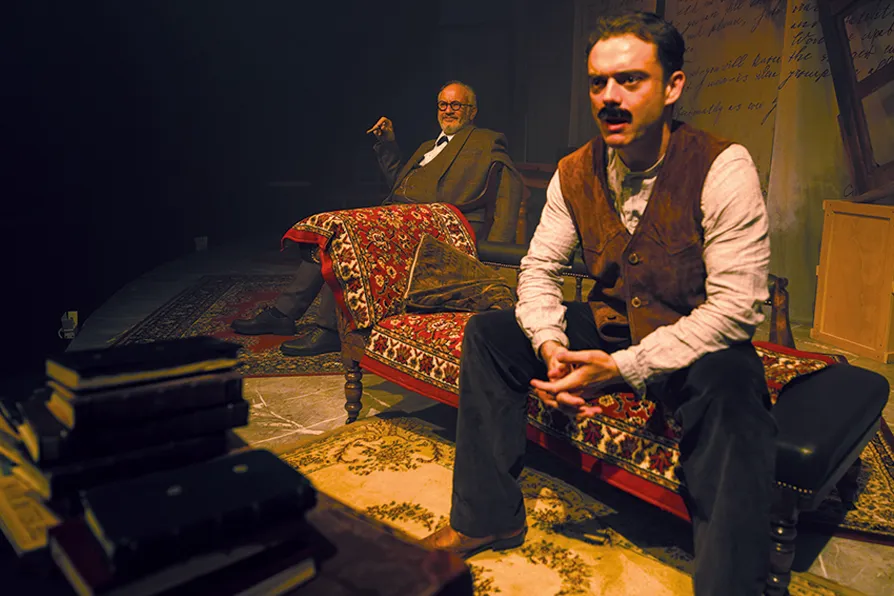
JAN WOOLF is beguiled by the tempting notion that Freud psychoanalysed Hitler in a comedy that explores the vulnerability of a damaged individual

GUILLERMO THOMAS is persuaded by a scathing critique of the Church of England and its embeddedness in imperialism