In the wake of Ann Widdecombe’s murder, JOHN GREEN wonders whether the government will really get to grips with the root cause of these attacks on our MPs


 Latest editorial
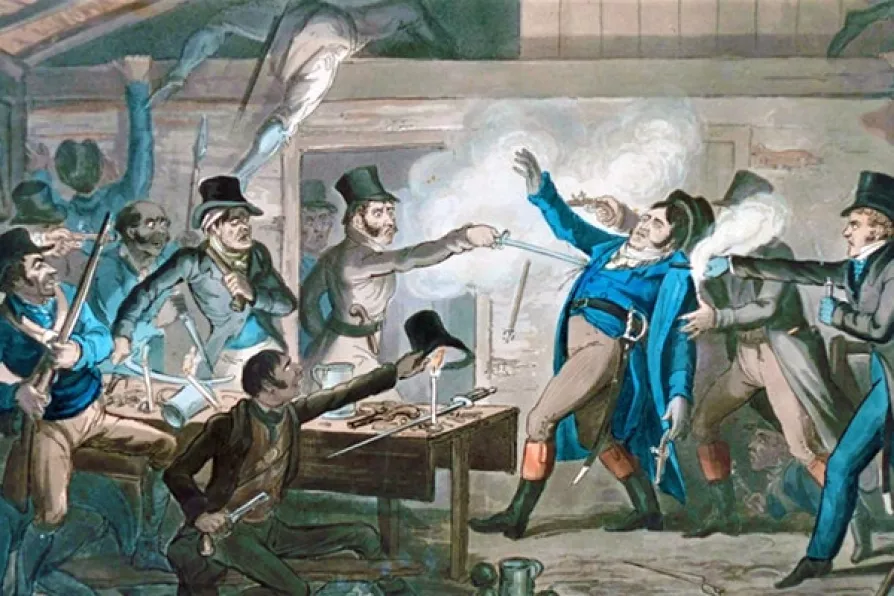 A cartoon depiction of the arrest of the Cato Street Conspirators
In the wake of Ann Widdecombe’s murder, JOHN GREEN wonders whether the government will really get to grips with the root cause of these attacks on our MPs
Despite the screeching from the right-wing media, Burnham’s speech showed that far from being stuck in the past — he’s learning from it, says Morning Star editor BEN CHACKO
Nature as well as society works dialectically, asserts the Marx Memorial Library and Workers’ School
Rising temperatures and human activity are making life far harder for these vital pollinators. ALEX DITTRICH explains
Lesbians and Gays Support the Miners co-founder MIKE JACKSON talks to Matt Kerr about the enduring power of Pride, protest and trade unionism
Behind the language of military strategy is a confrontation that risks drawing the wider Middle East into war, says STEVE BISHOP


IT IS 205 years since the Cato Street conspiracy was “uncovered” on February 23 1820 and the leaders duly despatched at the scaffold or to Australia.
It warrants a section in EP Thompson’s classic account of the Making of the English Working Class (1963) but until recently has been largely overlooked both by mainstream and left historians.
The conspirators, who, like others before them, had been infiltrated by government spies — a reminder that spycops are nothing new — planned to attack a “Cabinet dinner” in central London, murder the prime minister, home secretary etc and display their heads on poles.


KEITH FLETT looks at geographical roots of working-class activism in Britain
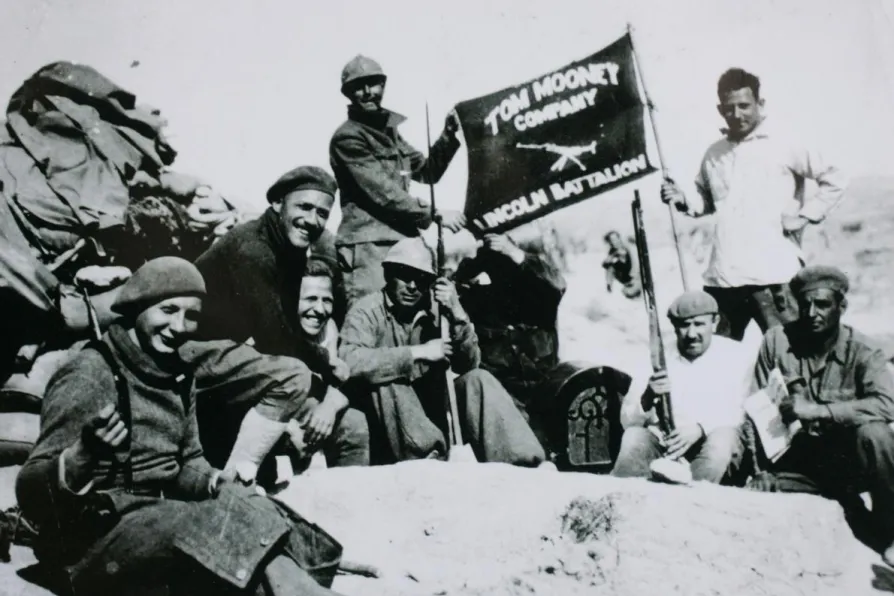
CJ ATKINS commemorates one of the most dramatic moments in working-class history
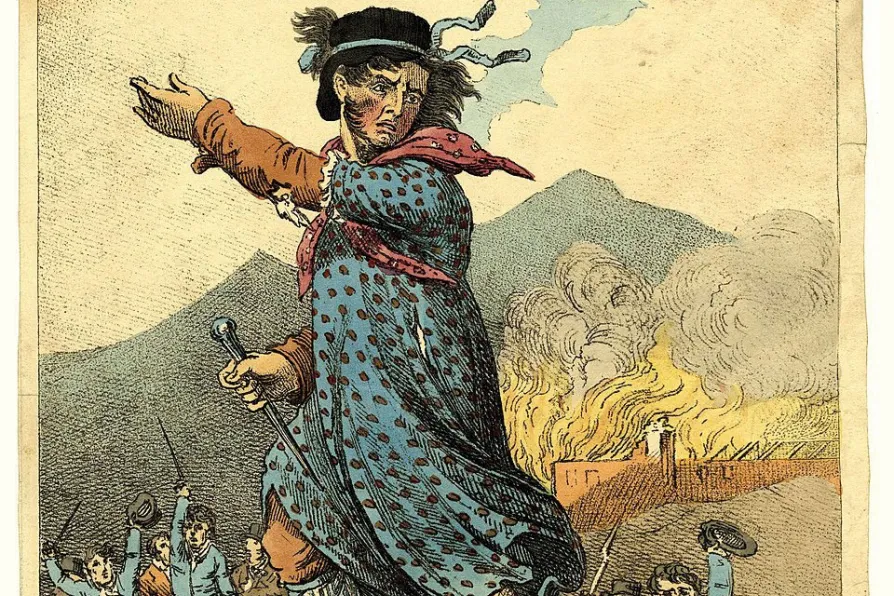
Inspired by a hit TV show, KEITH FLETT takes a look at the murky history of undercover class war
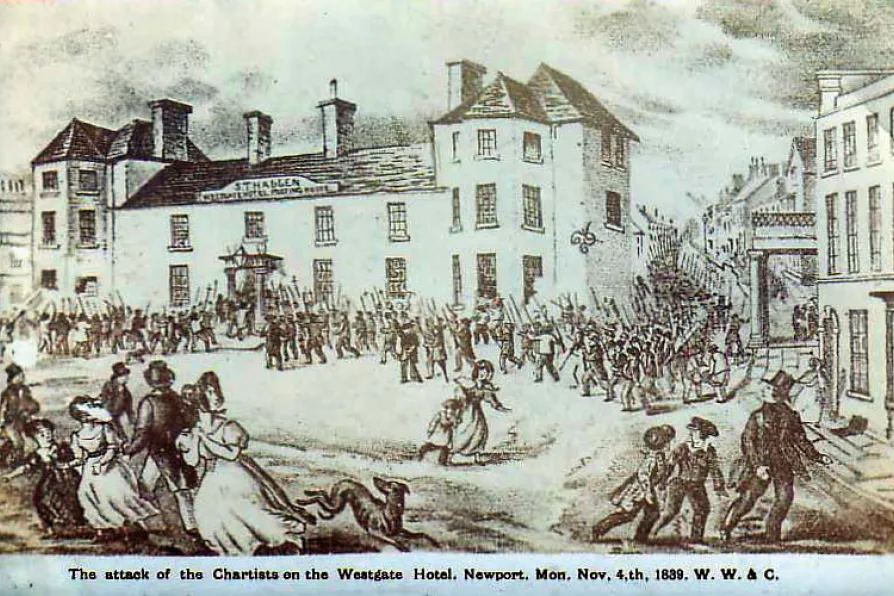
It’s not just the Starmer regime: the workers of Britain have always faced legal affronts on their right to assemble and dissent, and the Labour Party especially has meddled with our freedoms from its earliest days, writes KEITH FLETT