IAN LAVERY MP warns that decades of neoliberal policies have left former industrial communities behind — but a renewed Labour commitment to working people could change the political landscape


Cop26: it's socialism or extinction
The Young Communist League argues there is no point in trying to fight climate change without fighting capitalism itself: big business, corporate monopolies and shameless polluters are our enemy, not part of the solution
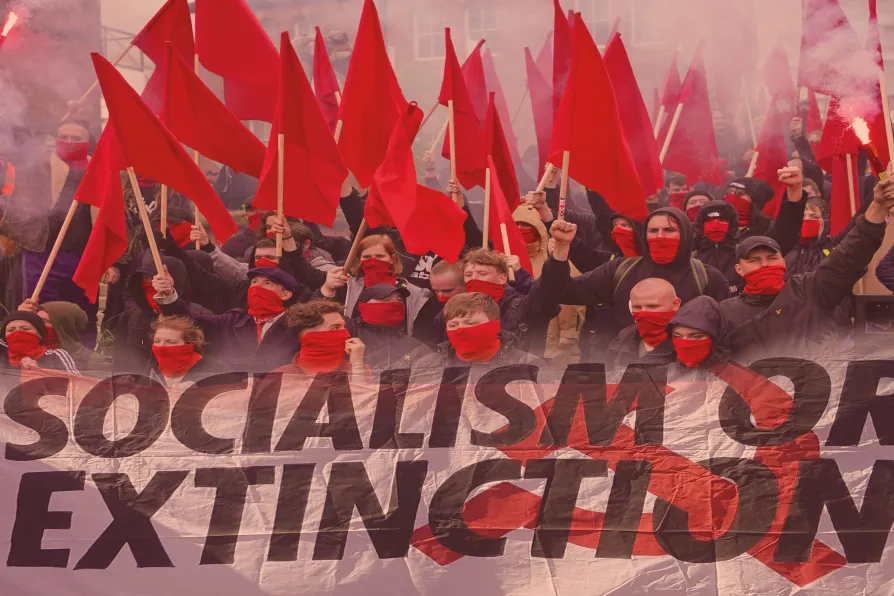
 We are so often told that we are all in this together — but we are not. We are not equally responsible for this mess and we do not equally share the risks of devastation.
PAOLO SANTALUCIA reports on how an Italian region defies US pressure to end a Cuban doctors programme
HENRY FOWLER outlines the GFTU’s new 2026-27 education programme and argues that investing in trade union education is essential to building worker power, developing leaders and strengthening collective action
We need a government that invests in saving lives not destroying them, argues SOPHIE BOLT
More expensive by weight than gold, saffron is surprisingly simple to grow. MAT COWARD explains
The public inquiry is the result of more than a decade of determined campaigning. Now, those who fought for justice want the full story of government involvement and police conduct to be told, says KATE FLANNERY
The Durham Miners’ Gala is a celebration of working-class culture, but also a call to action — to rebuild workers’ collective strength, says KIM JOHNSON MP




COP26 has been billed as one of the last chances to save the planet and humanity as we know it. For nearly 30 years these meetings have brought together world leaders to discuss and debate the best way forward, yet little has changed in that time.
In fact, since the first meeting held in Berlin in 1995, global CO2 emissions have increased by 56 per cent. The imperialist world’s governments are paying this crisis nothing but lip service, rolling over to let the monopolies and big business that they represent in fossil fuels, agribusiness, manufacturing and finance run rampant across the globe. Politicians are still desperate to cling to the economic system that created this crisis.
This week we have seen the representatives of right-wing governments gather to express warm words and pledges in order to protect the capitalist system, with keynote speeches from some of the biggest polluters on the planet including BP and Amazon.

Similar stories
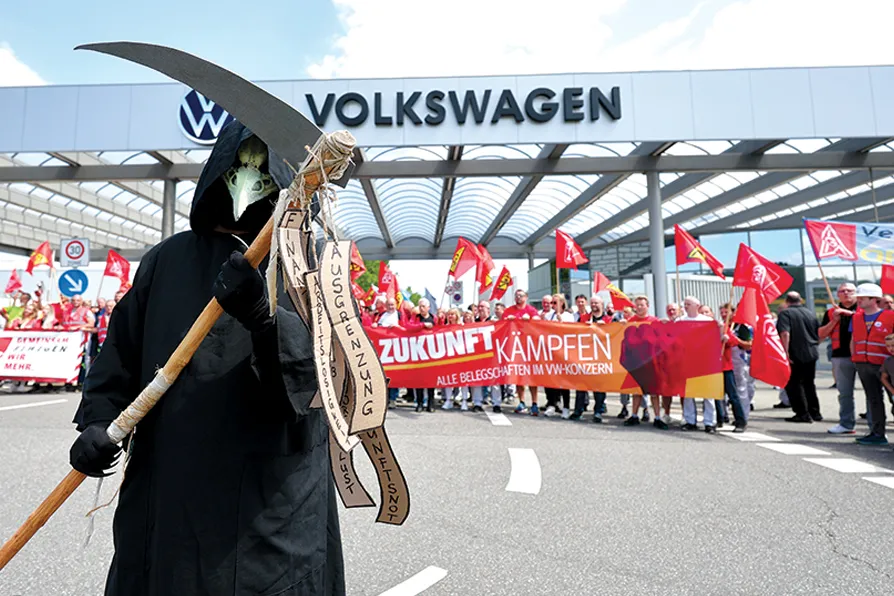
The future does not have to be climate chaos and social breakdown. MARC VANDEPITTE looks at the alternatives offered by the Global Justice Report, co-authored by Thomas Piketty
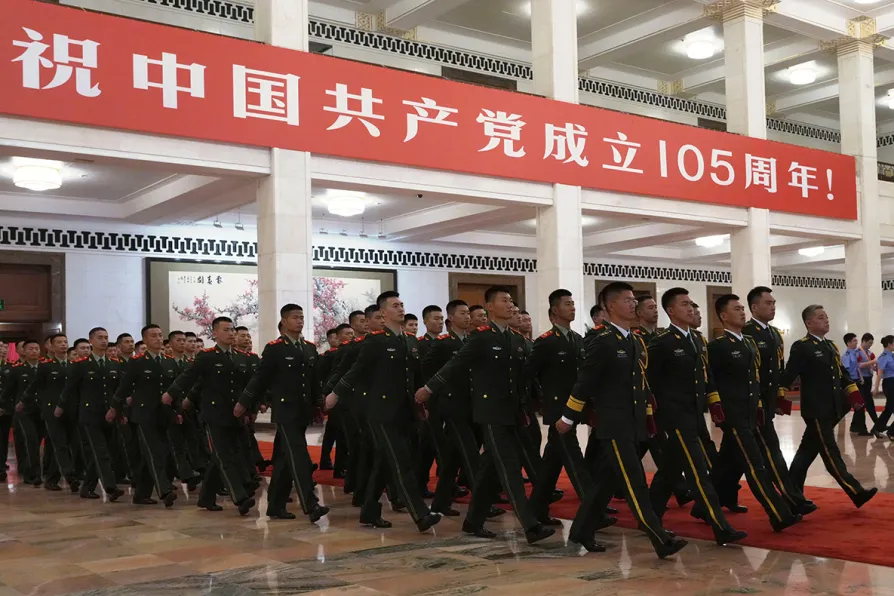
Marking milestones in the histories of China and the United States, this week offers a chance to examine two very different visions of the international order, says CARLOS MARTINEZ
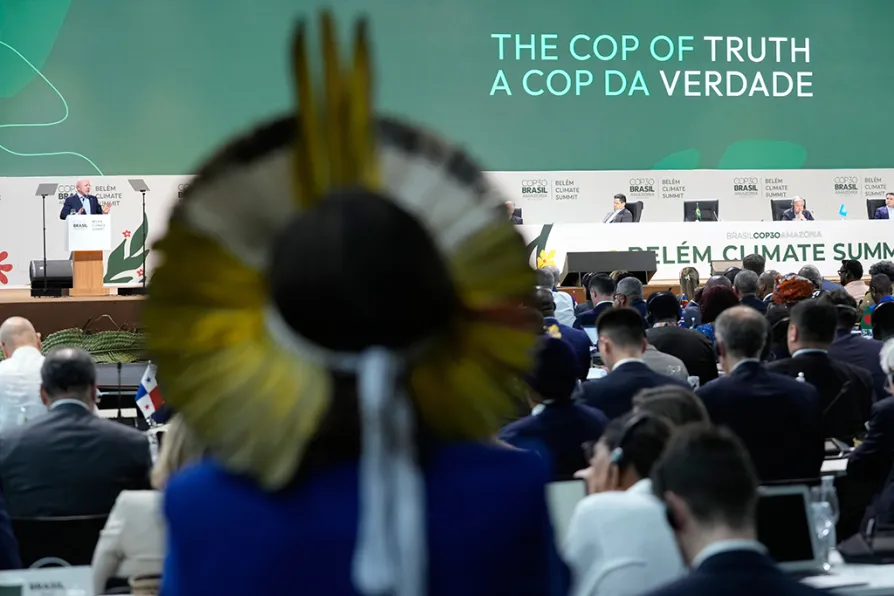
From summit to summit, imperialist companies and governments cut, delay or water down their commitments, warn the Communist Parties of Britain, France, Portugal and Spain and the Workers Party of Belgium in a joint statement on Cop30
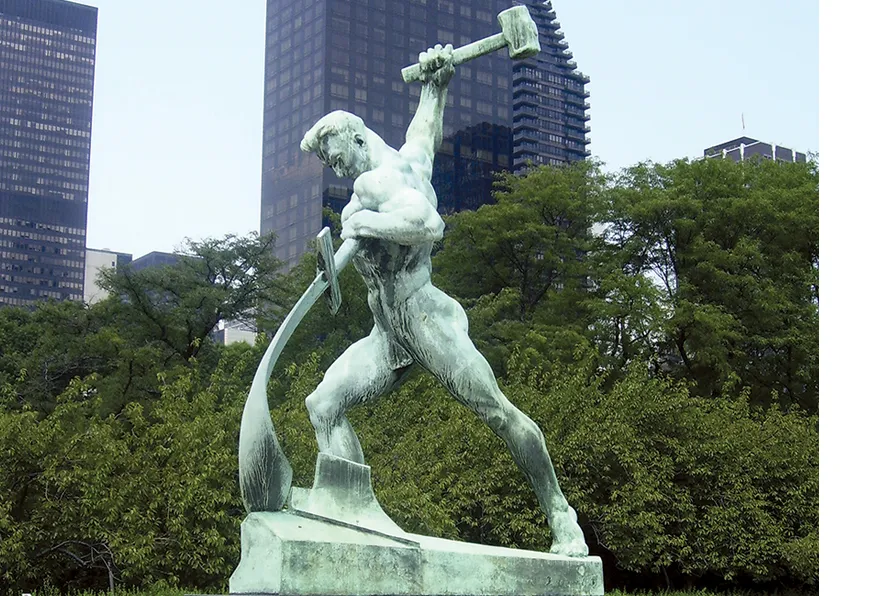
The colonial mindset behind the governance of the UN is the reason for its inertia when it comes to conflict resolution, argues ROGER McKENZIE – but can China’s Global Governance Initiative point in a new direction of global equality?