Special report by PEOPLE’S WORLD
The first huge example since 1945 of a US-driven war was that in Korea, begun in late June 1950 and ending with an armistice — but not a final peace settlement — on July 27 1953.


 Latest editorial
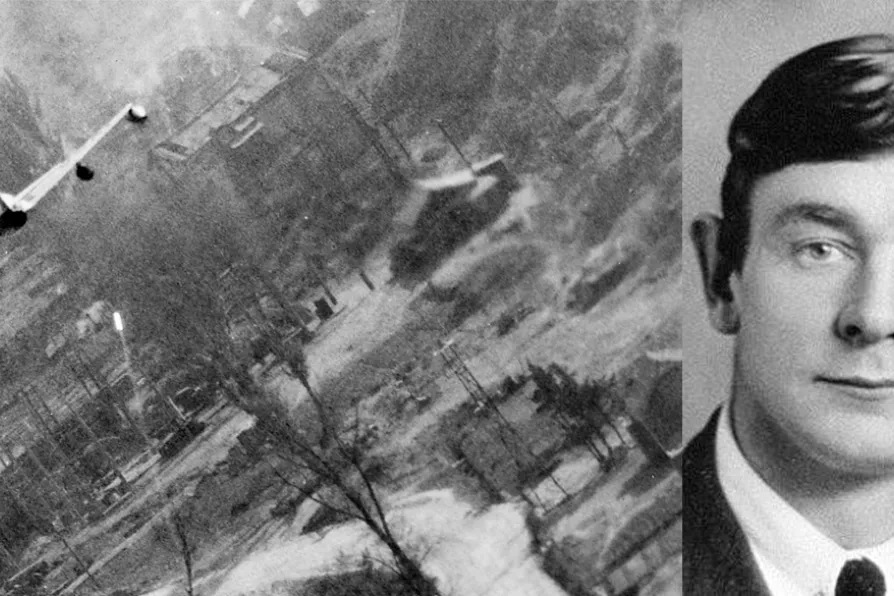 DISHONOUR AND HONOUR: (L to R) A US Lockheed F-80C Shooting Star drops napalm bombs in Korea, May 1952; Emrys Hughes (son-in-law of Keir Hardie and Labour MP for South Ayrshire in Scotland from 1946 to 1969) called for Britain to withdraw from the war
Credits: Public Domain
DISHONOUR AND HONOUR: (L to R) A US Lockheed F-80C Shooting Star drops napalm bombs in Korea, May 1952; Emrys Hughes (son-in-law of Keir Hardie and Labour MP for South Ayrshire in Scotland from 1946 to 1969) called for Britain to withdraw from the war
Credits: Public Domain
Special report by PEOPLE’S WORLD
NICK WRIGHT considers how the isolation of Israel and a new film on the controversial Italian communist leader are creating new reference points for Italy’s left
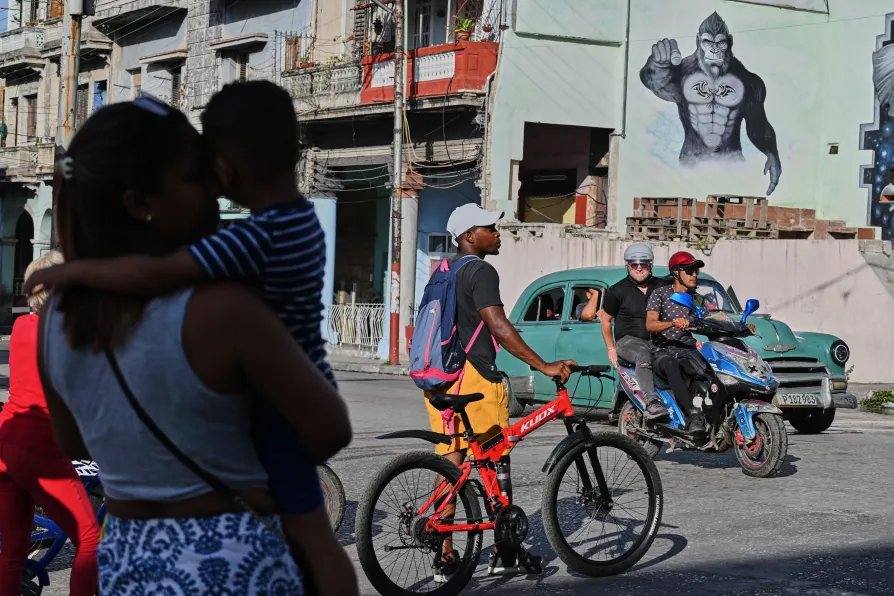
CARLOS MARTINEZ says Cuba’s achievements in the face of a criminal blockade are startling, but the island’s future if the United States succeeds in crushing it looks bleak
AMNON BROWNFIELD STEIN reports that far-right MPs who mobbed the event organised by Hadash may have helped raise awareness of the brutality of the Israeli right
Born on this day in 1931, the heroic revolutionary faces a dangerous new wave of White House aggression. We must treat his birthday as a rallying cry to resist the illegal siege of Cuba, writes ROGER McKENZIE
RAMZY BAROUD decries the rats of Gaza, the rodent and human type. Both abound as profiteering from tragedy reaches obscene levels



WE ARE often reminded in the mainstream world that Britain has had “a special relationship” with the US since WWII. We are less frequently reminded that over the same period the US and Britain have shared a special relationship with aggressive war.
During their wretched alliance, the US, much more powerful economically and militarily than Britain, has mostly been the primary aggressor, with Britain in close support.
The first huge example since 1945 of a US-driven war was that in Korea, begun in late June 1950 and ending with an armistice — but not a final peace settlement — on July 27 1953.

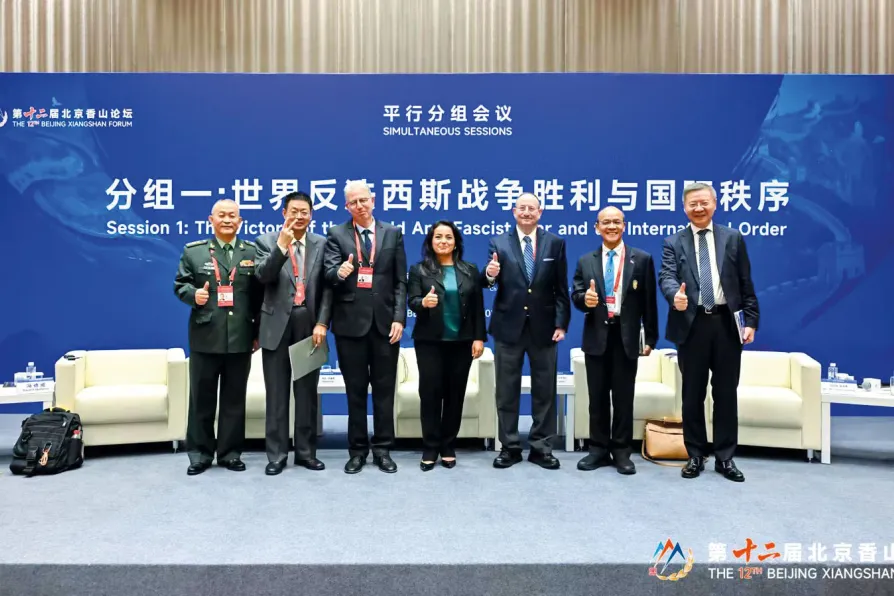
In a speech to the 12th Xiangshan Forum in Beijing, SEVIM DAGDELEN warns of a growing historical revisionism to whitewash Germany and Japan’s role in WWII as part of a return to a cold war strategy from the West — but multipolarity will win out
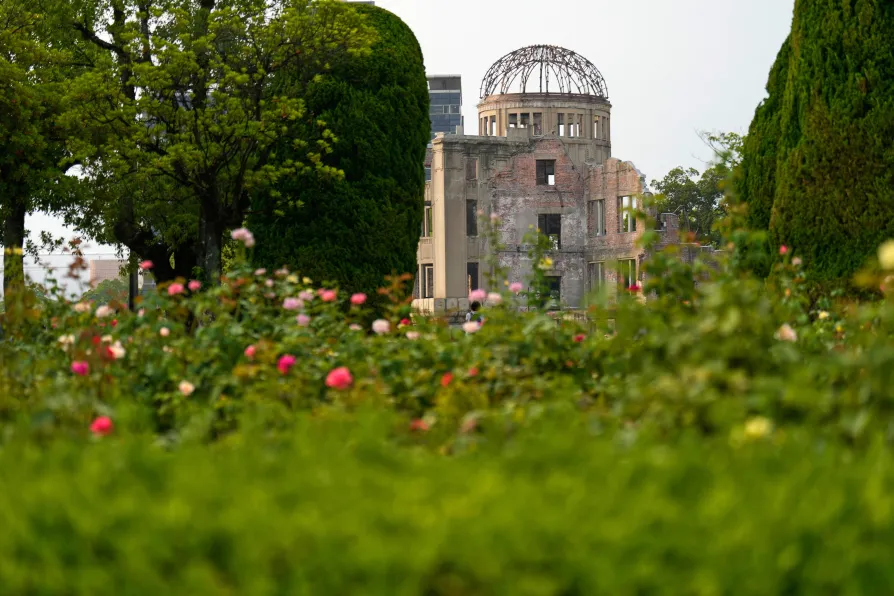
As we mark the anniversaries of the Hiroshima and Nagasaki bombings, JOHN WIGHT reflects on the enormity of the US decision to drop the atom bombs
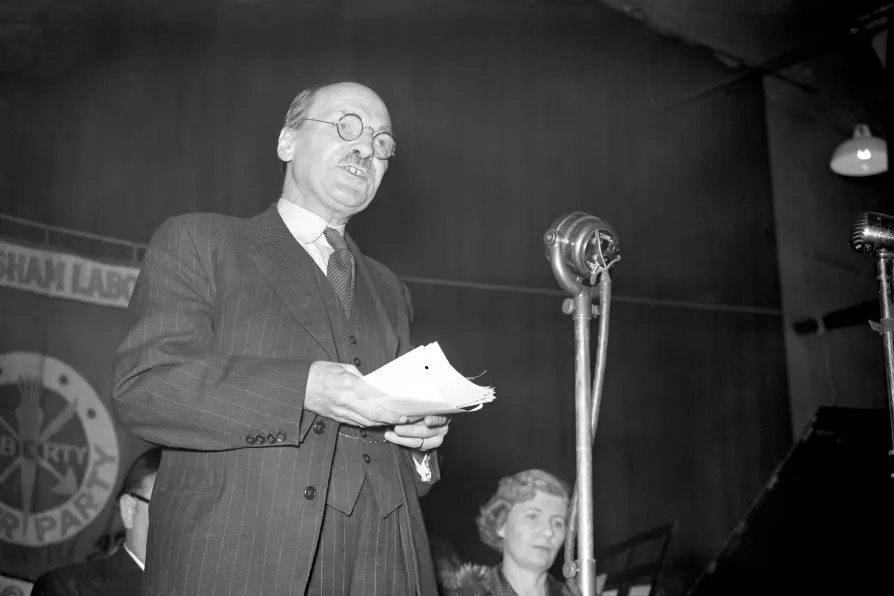
The summer of 1950 saw Labour abandon further nationalisation while escalating Korean War spending from £2.3m to £4.7m, as the government meekly accepted capitalism’s licence and became Washington’s yes-man, writes JOHN ELLISON