Fownhope’s Heart of Oak Society traces its roots to the age of friendly societies, when communities provided their own safety net. Its anniversary celebrations reveal a tradition still very much alive, says MARK SEDDON


 Latest editorial
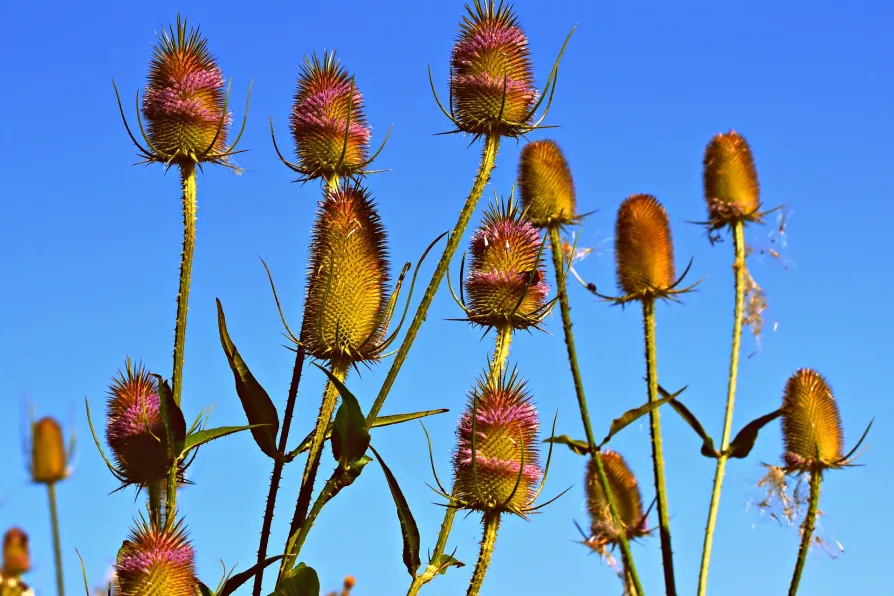
Encourage wildlife in your garden by growing a teasel
Gardening with MAT COWARD

ANGUS REID explains the significance of Cuba’s egalitarian in letter and spirit Family Code and the pertinent lessons it holds for democracies anywhere in the world
Special report by PEOPLE’S WORLD
NICK WRIGHT considers how the isolation of Israel and a new film on the controversial Italian communist leader are creating new reference points for Italy’s left
CARLOS MARTINEZ says Cuba’s achievements in the face of a criminal blockade are startling, but the island’s future if the United States succeeds in crushing it looks bleak
AMNON BROWNFIELD STEIN reports that far-right MPs who mobbed the event organised by Hadash may have helped raise awareness of the brutality of the Israeli right


I SUSPECT that the reader who told me she has a garden “literally about the size of a luggage trunk,” and asked what she could grow in it to attract wildlife, thought she was setting me a challenge. But in fact the answer is very easy: plant a teasel.
I’m writing this on a day of heavy snow, looking out of the window at my own teasel (botanical name Dipsacus fullonum), at which three goldfinches — surely the most exotic-looking of Britain’s regular garden birds — are busily feeding. They’re after the seeds, which their long, fine beaks allow them to prise out of the plant’s dead, dried flower heads.
Teasels must produce an awful lot of seeds, because the birds visit them repeatedly right through autumn and winter. If you know that goldfinches exist in your area, and you’d like to see them in your garden, then I don’t think there is any better plant you can grow. Other seed-eating birds also use teasel, though goldfinches will tend to picket them out.

Similar stories
MAT COWARD takes a look at some of the options for keen gardeners as we enter 2026
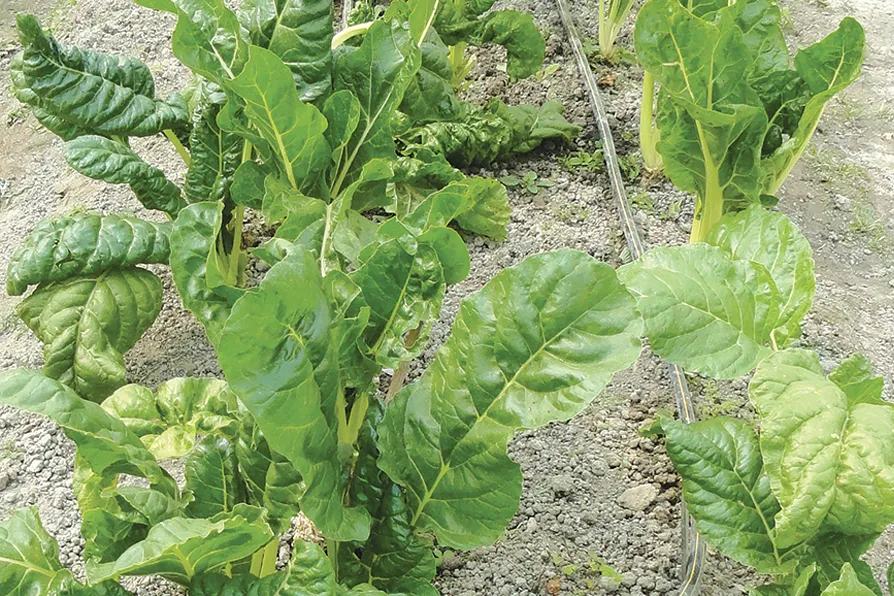
Commiserations if you failed this year, MAT COWARD offers six points which, if followed religiously, will ensure you succeed next year
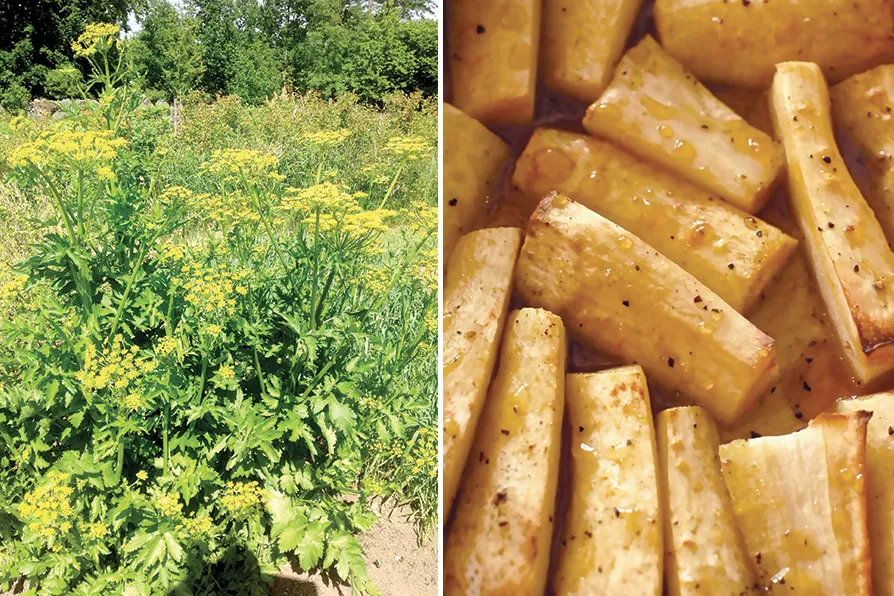
MAT COWARD sings the praises of the Giant Winter’s full-depth, earthy and ferrous flavour perfect for rich meals in the dark months
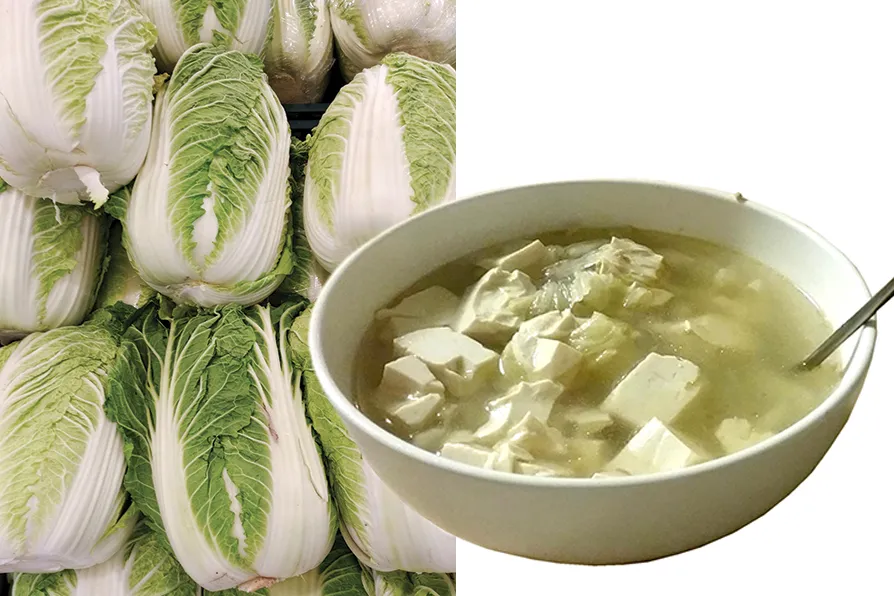
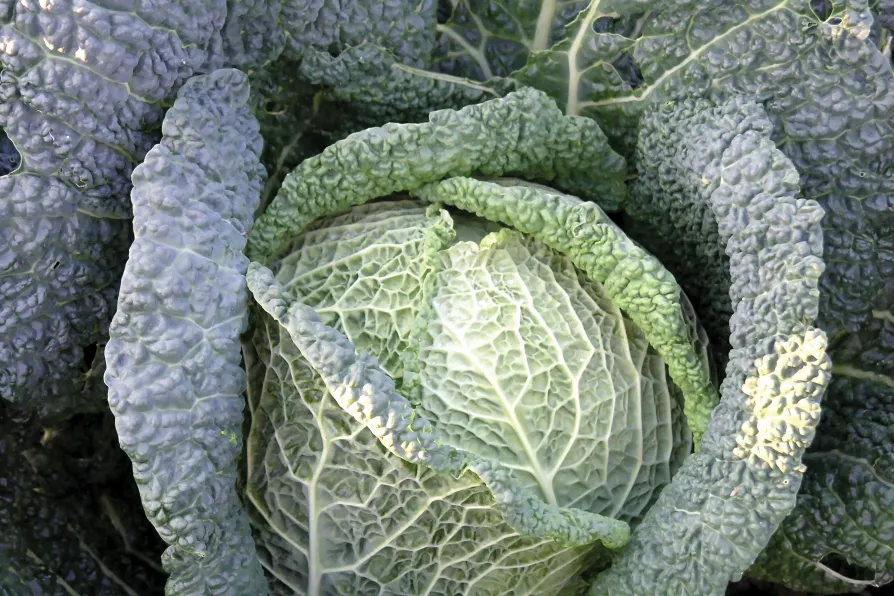
MAT COWARD presents a peculiar cabbage that will only do its bodybuilding once the summer dies down