Unison director of organising KEVIN LUCAS explains the Organising to Win strategy, its successes to date and key tests on the union’s horizon


 Latest editorial
How Red Clydeside was born in the Battle of Glasgow 1919
PETER FROST celebrates the centenary of important labour movement struggles on Red Clydeside
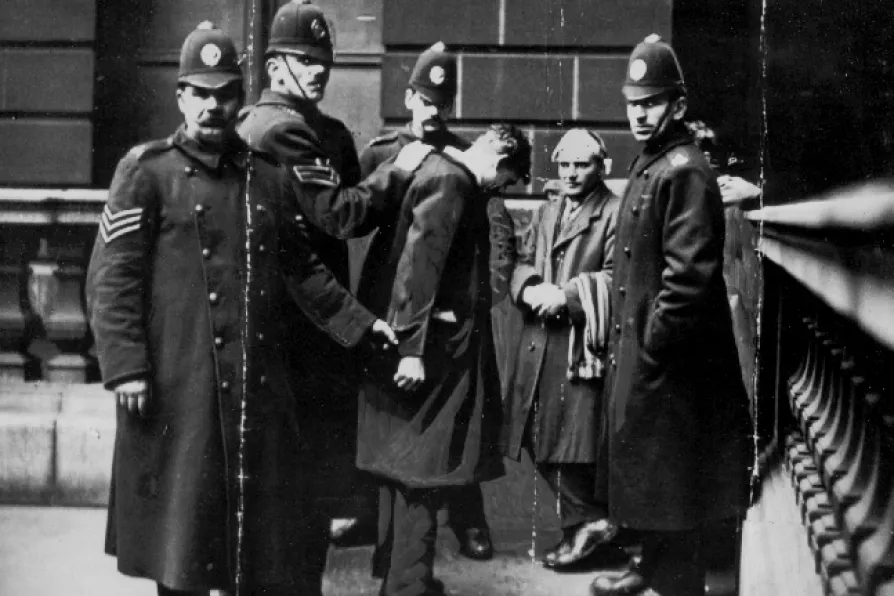 David Kirkwood and Willie Gallacher being detained by police at the City Chambers
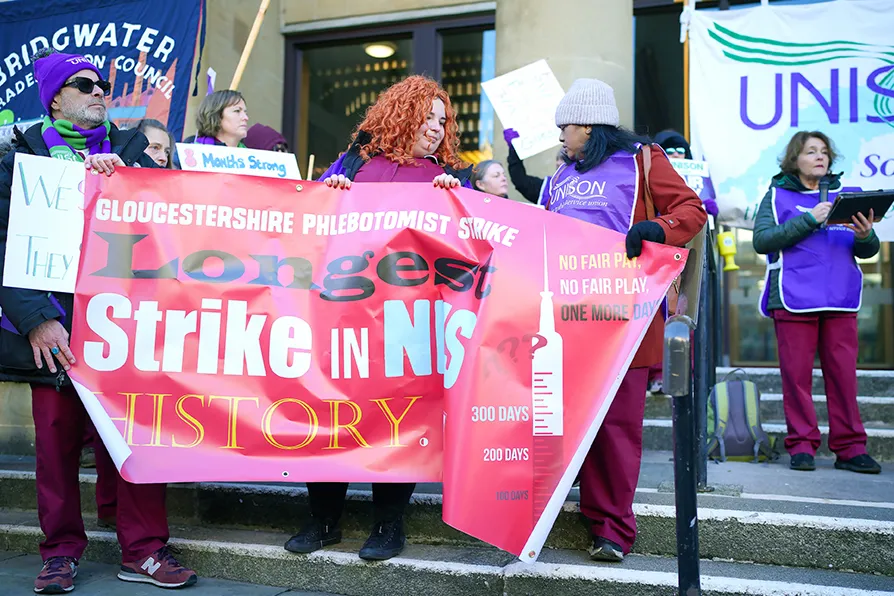
Young workers do want to get involved in Unison, and where that is enabled we see growth in workplace power, argue Unison North West Young Members co-chairs ZAIHERA CHAUDHRY and IAN CAULFIELD
British military spending is among the highest in the world, diverts scarce resources from far better causes and fuels international conflict. It’s time we made different choices, argues LIZ PAYNE
Trade unions, trades councils and community organisations must work together to build lasting solidarity and resistance to the far right, argues DREW GILCHRIST
Animal metaphors are testament to delight in the non-human world and what we hope and wish for human freedom, argue ROX MIDDLETON, LIAM SHAW and MIRIAM GAUNTLETT"
Economists estimate extreme poverty could be drastically reduced for a fraction of global defence spending, yet military budgets continue to expand year on year, says JON TRICKETT MP, ahead of the Stop the War International Conference on Saturday




ONE HUNDRED years ago yesterday, on Friday January 31 1919 — just 82 days after the end of World War I — more than 60,000 Glasgow workers gathered in George Square to support the strike for a 40-hour working week and to hear the Lord Provost’s reply to the workers’ demand. The workers flew a red flag over the city.
The strike had come about after just a few weeks of peace after the armistice in November of the previous year.
It was widely feared that the end of the war would be followed by widespread unemployment due to the re-entry of large numbers of demobilised soldiers and seamen into the workforce.

Similar stories
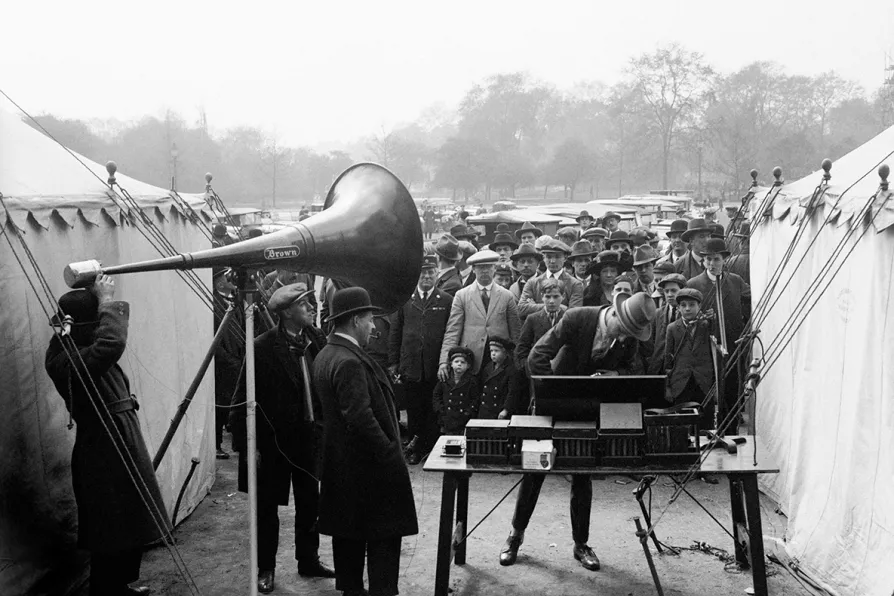
The General Strike exposed the power of the working class — and the limits of its leadership, writes Dr DYLAN MURPHY
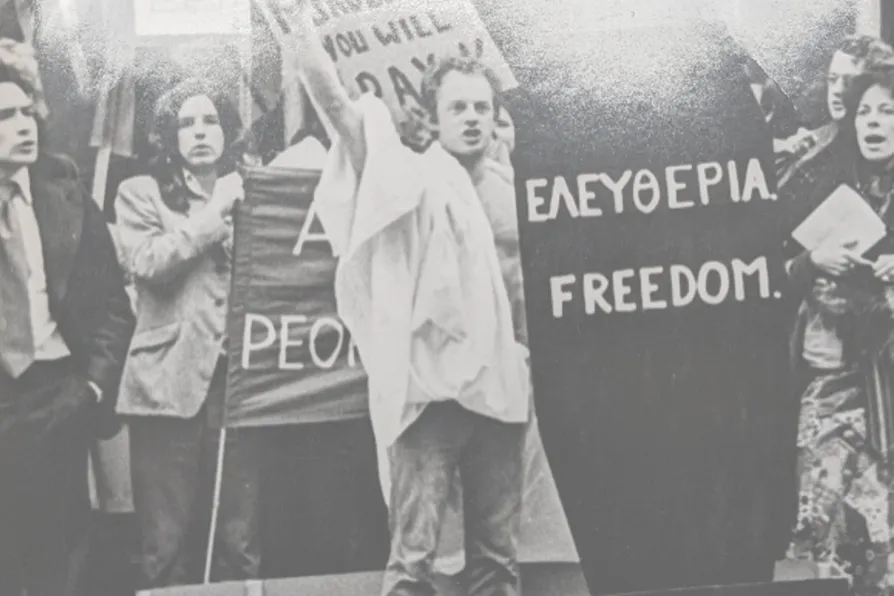
Barred from returning home, a group of Greek Brigaders came to Britain and founded the League for Democracy in Greece – a movement that carried the flame of anti-fascist resistance from the 1930s through the cold war and beyond. ALI BASSAM ZAHID tells the story
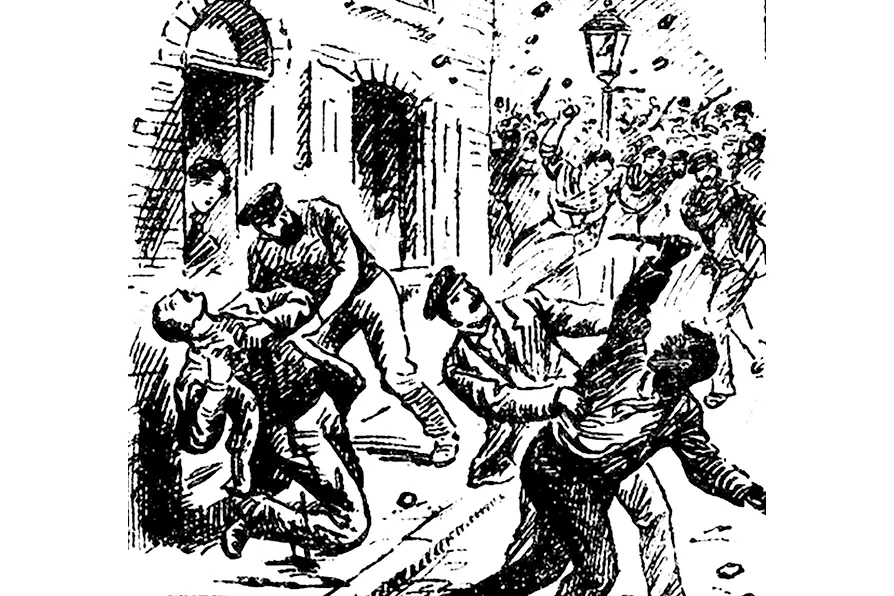
White racist rioting has many an infamous precedent in Britain, writes DAVID HORSLEY
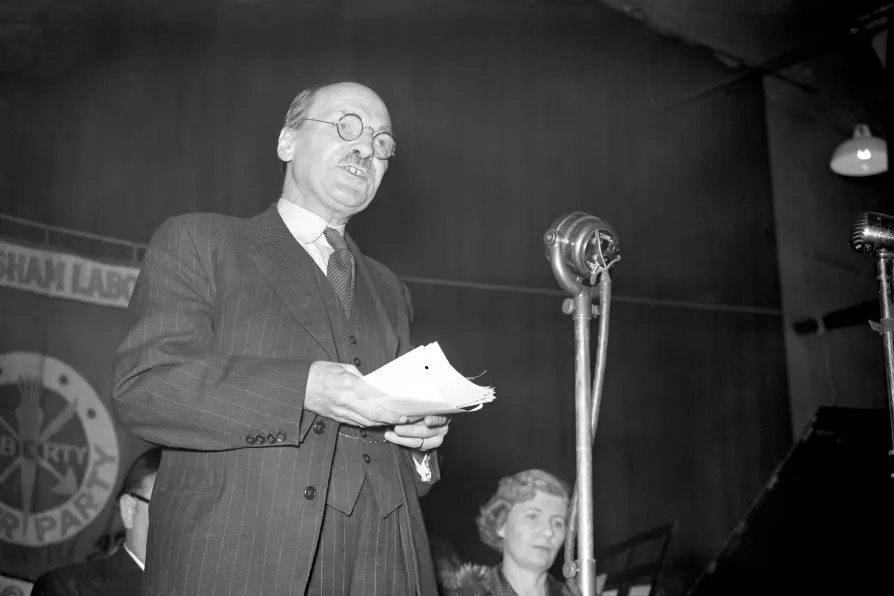
The summer of 1950 saw Labour abandon further nationalisation while escalating Korean War spending from £2.3m to £4.7m, as the government meekly accepted capitalism’s licence and became Washington’s yes-man, writes JOHN ELLISON