IAN LAVERY MP warns that decades of neoliberal policies have left former industrial communities behind — but a renewed Labour commitment to working people could change the political landscape


Slow down, you move too fast
DOUG NICHOLLS, general secretary of the GFTU, in the fourth of his weekly features, reflects on the importance of slowing down the pace of work to tackle inequality



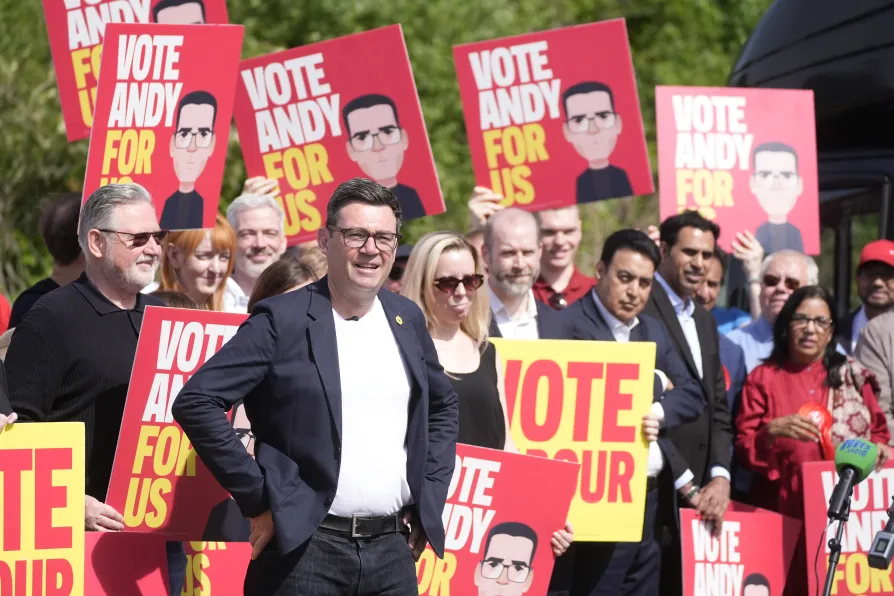
PAOLO SANTALUCIA reports on how an Italian region defies US pressure to end a Cuban doctors programme
HENRY FOWLER outlines the GFTU’s new 2026-27 education programme and argues that investing in trade union education is essential to building worker power, developing leaders and strengthening collective action
We need a government that invests in saving lives not destroying them, argues SOPHIE BOLT
More expensive by weight than gold, saffron is surprisingly simple to grow. MAT COWARD explains
The public inquiry is the result of more than a decade of determined campaigning. Now, those who fought for justice want the full story of government involvement and police conduct to be told, says KATE FLANNERY
The Durham Miners’ Gala is a celebration of working-class culture, but also a call to action — to rebuild workers’ collective strength, says KIM JOHNSON MP




TIME and motion studies in factories were once led by brown-coated foremen with clipboards.
When trying to analyse the processes of well-organised shop floor workers, their puzzled expressions reflected the hopelessness of trying to get us working faster for no extra pay.
Nowadays, with less organisation in the workplace, just in time production, instant targets to meet and inhuman tracking and delivery in logistics and online ordering, the contemporary foreman needs a PhD in maths to shave a few seconds off “waste” in the labour process and unfortunately workers are more exposed and less able to collectively invent ruses to prevent speed-up.

Similar stories
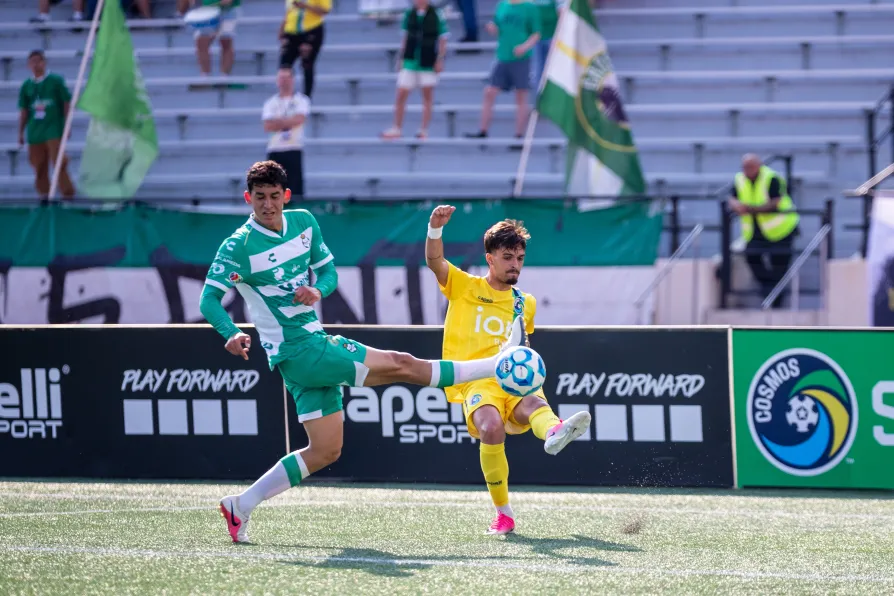
In the final part of LAYTH YOUSIF'S series on the history of the NY Cosmos, he traces their experiences which have made them the team that always has success in their sights
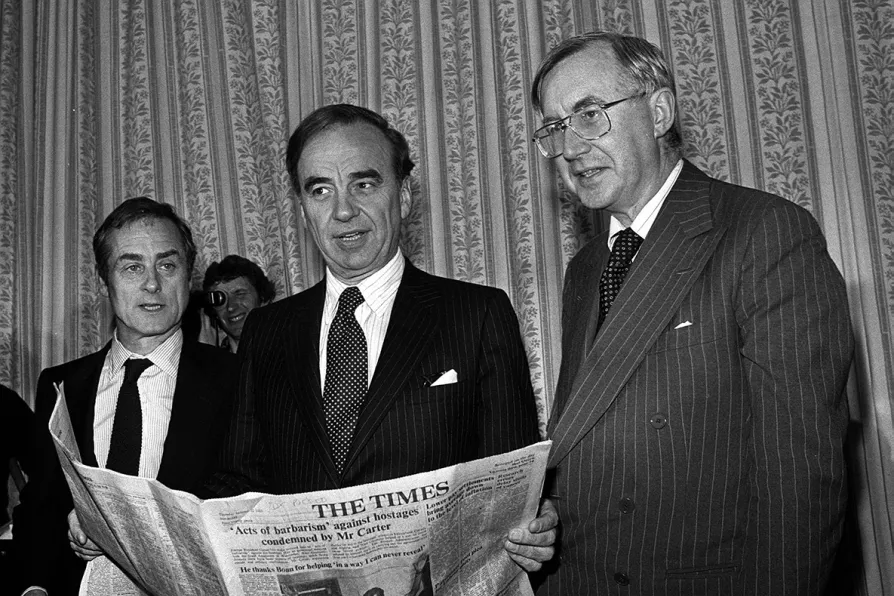
Four decades on, the Wapping dispute stands as both a heroic act of resistance and a decisive moment in the long campaign to break trade union power. Lord JOHN HENDY KC looks back on the events of 1986
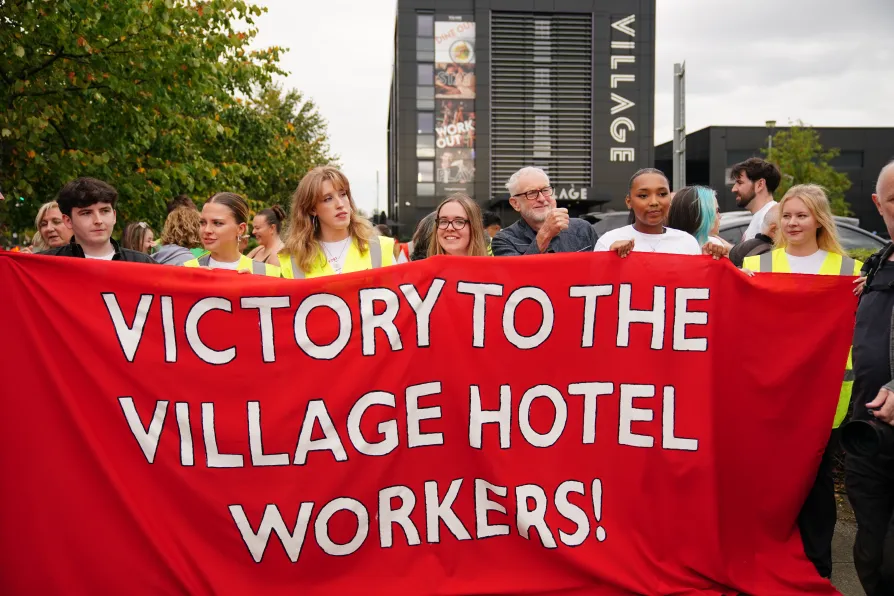
NICK TROY lauds the young staff at a hotel chain and cinema giant who are ready to take on the bosses for their rights

Ben Chacko talks to RMT leader EDDIE DEMPSEY about how the key to fixing broken Britain lies in collective sectoral bargaining, restoring unions’ ability to take solidarity strike action and bringing about the much-vaunted ‘wave of insourcing’