

 Latest editorial
by the Greater Manchester Workers’ and Tenants’ Association
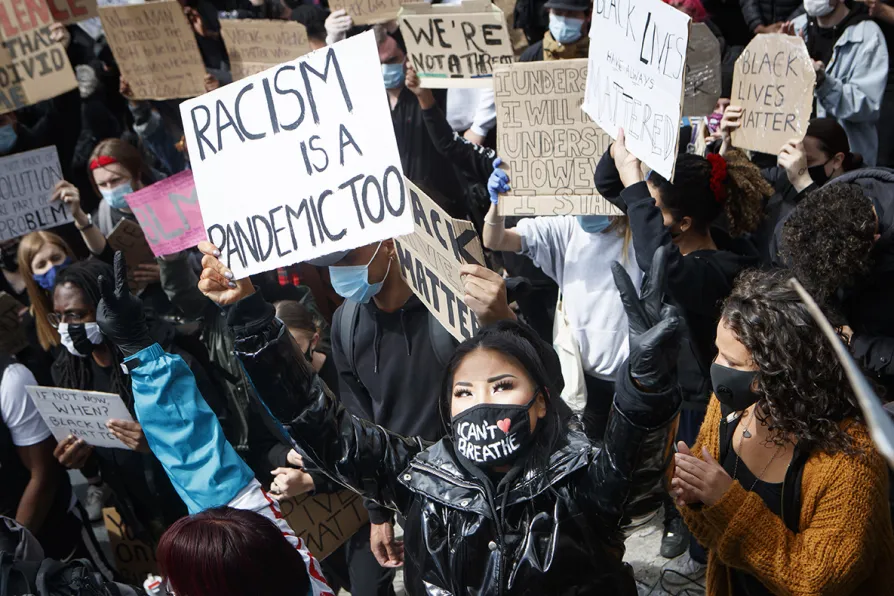 People take part in a Black Lives Matter protest rally in Manchester Piccadilly Gardens, June 2020

by Nana Backland, Merseyside Morning Star Readers & Supporters Group
The Tories introduced the 50% strike ballot threshold to make industrial action harder. MATT WRACK argues that a Labour government has no justification for leaving it on the statute book
In the wake of Ann Widdecombe’s murder, JOHN GREEN wonders whether the government will really get to grips with the root cause of these attacks on our MPs
The new PM’s opening addresses offered hope, council homes and reform — but little detail on how any of it will be delivered, warns CLAUDIA WEBBE
Nature as well as society works dialectically, asserts the Marx Memorial Library and Workers’ School


IN A summer where climate change-induced heatwaves have killed 440 people a day, far-right party Restore is polling fourth in the Greater Manchester mayoral race and support for Reform remains stable.
Despite Nigel Farage’s finances coming under very overdue scrutiny, things feel pretty bleak. Summers like this one, with its unbearable temperatures at home and work, would become norm if Reform gains office as it takes millions a year from fossil fuel companies and would trash any meagre efforts at climate crisis mitigation, adaptation or climate transition.
All the while, the far right continues to build its broad coalition: racists willing to unleash inchoate violence on migrants and people of colour, transphobes who hate nothing more than the idea of another person having bodily autonomy, and sexists who see women as baby-making machines.
All of these forces work hand in hand with the climate deniers. Behind all of this — often missed in popular coverage of the far right — are Reform and their allies’ plans to militarise the economy, destroy what remains of the social state and decimate the living and working conditions of our class across the board. Make no mistake: they’re coming for all of us.
But we know not every person who votes Reform is a far-right fanatic. We know this because we know these people: they’re our loved ones, coworkers, and neighbours. Some of them were voting Labour only a few decades ago. Most of them have a sense of care and consideration for others in their class or community. Almost all will say they love the NHS. People who intend to vote Reform are not a monolith. And, in a context where Reform has topped polls for much of the last year, we cannot afford to dismiss every potential Reform voter. We have to reckon with the way that a concerted multi-decade effort by the media and political class to villainise and exceptionalise migrants has distorted people’s priorities immensely, and we have to draw on those same people’s positive instincts: their neighbourliness, their commitment to their coworkers or union, their love of the NHS, to win them back.
Winning people back is slow work. We will need to organise like Micky Fenn of the London dockers, who moved his union from a 1968 strike in support of Enoch Powell to providing security at Rock Against Racism gigs in 1978. And like the 1927 rent strikers of the East End Paragon Mansions, who Phil Piratin memorialised in Our Flag Stays Red. Tenants who organised in solidarity with fascist neighbours and persuaded them to renounce their membership of the Britain Union of Fascists — not through argument but through shared class struggle.
At the same time, we have to contend with the state project that this voting bloc will catapult into power. Reform voters aren’t our enemy but the political project and party of Reform both are.
Once in power, Reform would turbocharge attacks on migrants, women, trans people, disabled people, the climate, tenants, workers, and the ability of all of us to organise. It is not unreasonable to anticipate US-like Ice raids in our streets, building upon Labour’s immigration reforms and the tens of thousands of immigration raids that already happen each year, or an expansion of austerity, as with Reform’s pathetic attempt to close a care home in Preston, which workers and community members defeated. In that context, we need to not only organise to build up our class’s forces against the far right by persuading people away from its ideas and projects, but also by developing our capacity to resist.
We can take inspiration from the Minneapolis general strike, where a militant minority of the workers’ movement led many others, including those in unorganised workplaces, on strike.
If we identify “lighthouse” union branches in our regions, whose guiding lights can show the wider labour movement the way, we can build something. Choose branches that are a mix of industrially militant and sufficiently politically sympathetic, bring them together, and begin sowing the idea of this work. It is only if we begin this work now that we will be prepared for the onslaught to come.
These two focuses — bringing people away from far-right ideas and projects through class-based organising, and building up our capacity to resist state attacks on all of us — frame the work of our newly formed Greater Manchester Workers’ and Tenants’ Association.
Through industrial organising, community organising, and events, we intend to pull people away from the far right while also strengthening our defences ahead of far-right-led or influenced attacks on the whole and sections of the working class.
They shall not pass!
If you are interested in learning more, and you live or work in Greater Manchester, we are hosting a launch party in the centre of town on Wednesday July 29, from 5.30-8.30pm — the same date that Manchester’s people kicked fascist Oswald Mosley out of town in 1969. There’ll be speeches, music, food, and opportunities to get organised.
You can sign up here: https://tinyurl.com/GMWTA or email our organiser at [email protected], and you can follow us on Facebook (Greater Manchester Workers and Tenants Association) and Instagram (@gmworkersandtenants).

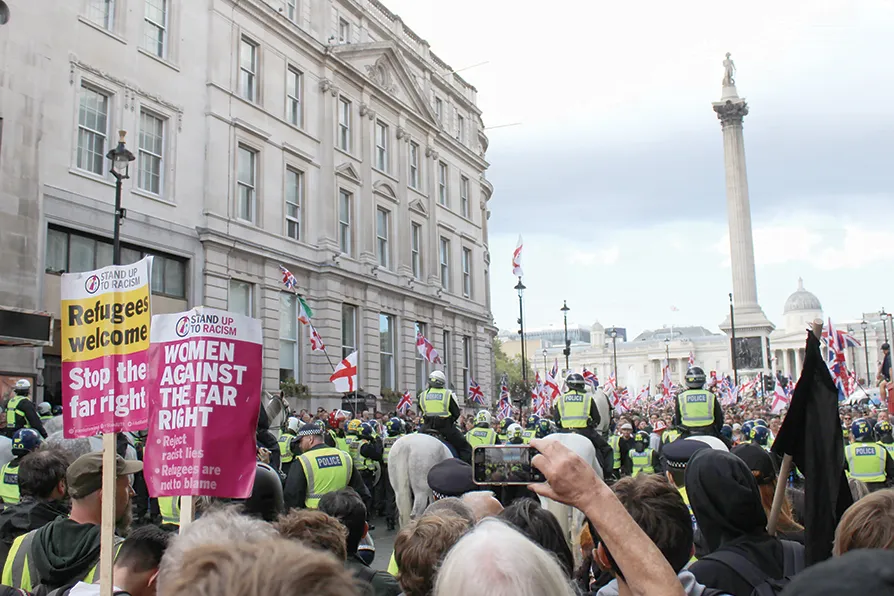
As extremist movements grow on the streets and at the ballot box, the emergence of the Together Alliance points to a vital strategy: unity across trade unions, campaigners and communities, says TONY CONWAY
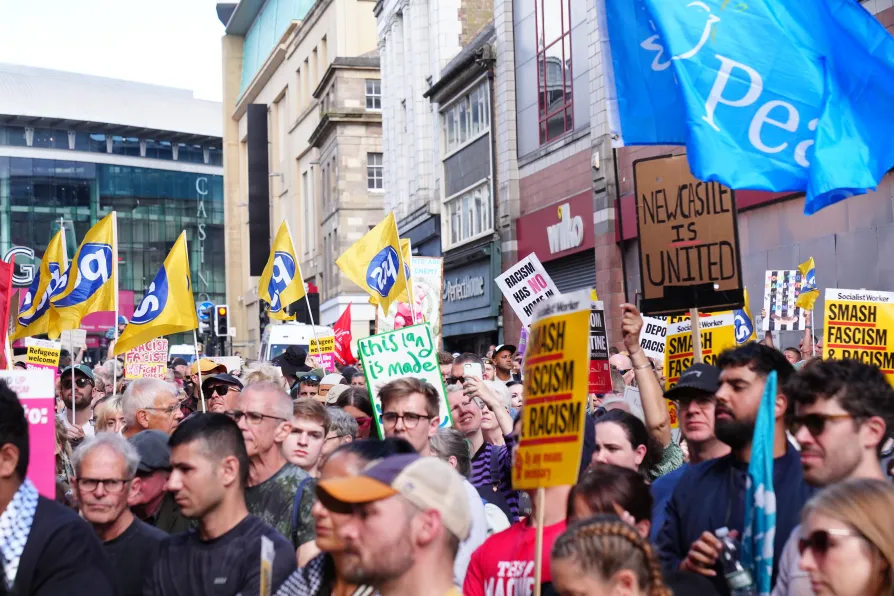
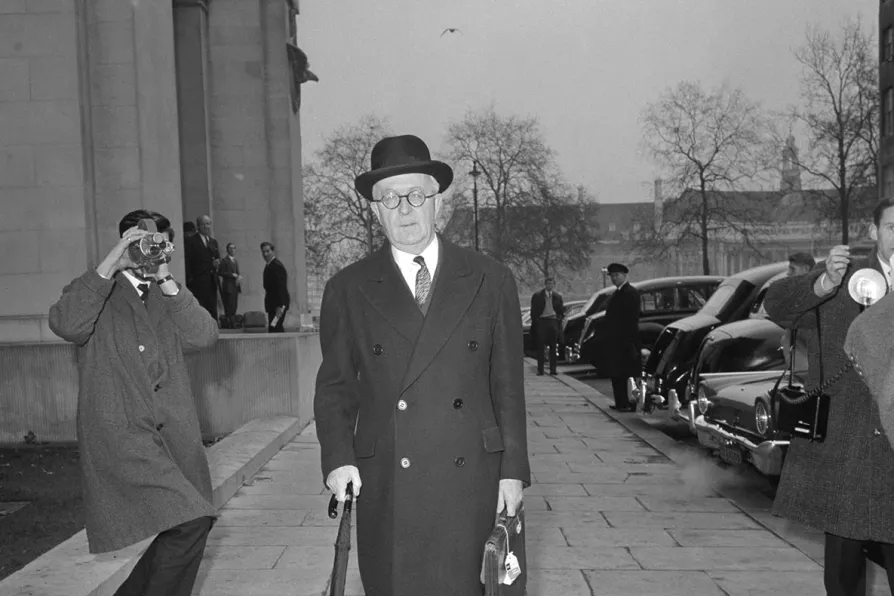
In part II of a serialisation of his new book, JOHN McINALLY explores how witch-hunting drives took hold in the Civil Service as the cold war emerged in the wake of WWII

KEVIN COURTNEY of Stand Up to Racism and JOHN PAGE of the Ella Baker School of Organising announce a joint project aiming to unite trade unions and social movements in creating new narratives to fight the divisive rhetoric of the far right