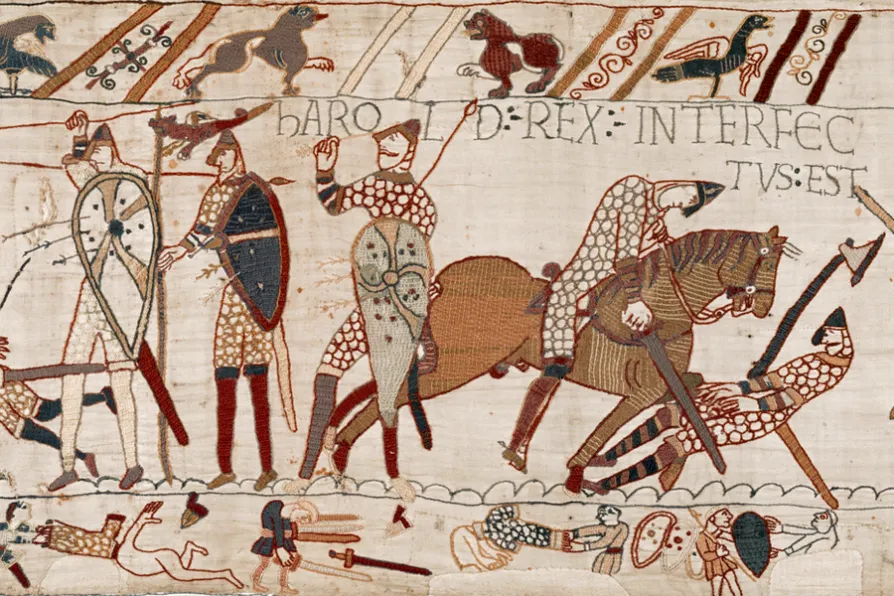
STEPHANIE BROWN draws attention to the hidden labour of the female embroiderers, and how a 19th century replica made no such error


 Latest editorial
God’s other Englishman
SYLVIA HIKINS revisits the visionary world of Blake in a handsome book that sets him alongside his European contemporaries
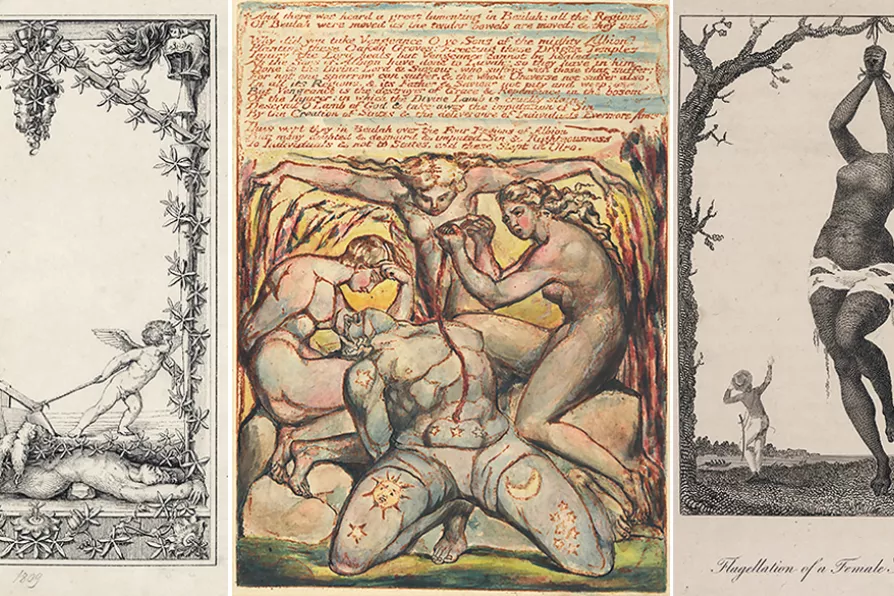 NATIONALISM AND RACISM: (Left) Distress of the Fatherland (Not des Vaterlandes), Philipp Otto Runge, 1809; (Middle) Albion and the Fates, William Blake, 1804-1820; (Right) Flagellation of a Female Samboe Slave, William Blake, 1793
[Hamburger Kunsthalle/Private Collection/British Museum]
NATIONALISM AND RACISM: (Left) Distress of the Fatherland (Not des Vaterlandes), Philipp Otto Runge, 1809; (Middle) Albion and the Fates, William Blake, 1804-1820; (Right) Flagellation of a Female Samboe Slave, William Blake, 1793
[Hamburger Kunsthalle/Private Collection/British Museum]
MIK SABIERS revels in a band that ploughs an idiosyncratic furrow of expletive laden, guitar-driven alt rock
ANDY HEDGECOCK, MARIA DUARTE and ANGUS REID review Synthetic Sincerity, Our Hero, Balthazar, Heartstopper Forever, and A Year In London
The bard invites readers to a gig, raps for Clacton, and lays out the Burnham-Hurzeler conundrum
RON JACOBS recommends an important book that enhances the oppositional theories put forth by Fanon and, in doing so, remakes psychology itself
JAN WOOLF relishes an extensive history of our long relationship to trees in Britain that underlines the current emergency
DIANE WATT argues that while evidence of sex is not there, a 16th‑century lesbian poet could be Scotland’s answer to Gentleman Jack




William Blake’s Universe
David Birdman and Esther Chadwick
Philip Wilson, £35
WILLIAM BLAKE (1757-1827) is possibly best known as the creator of England’s unofficial national anthem. When I was a kid, my mother used to take me with her to the local Co-op Women’s Guild, and at the start of every meeting we would heartily sing “Jerusalem.”
England’s green and pleasant land was written in the context of a turbulent age of political upheaval where the American, French, and Haitian revolutions combined with the growth of modern capitalism. Unsurprisingly, both dissenting and visionary art flourished across Europe.

Similar stories
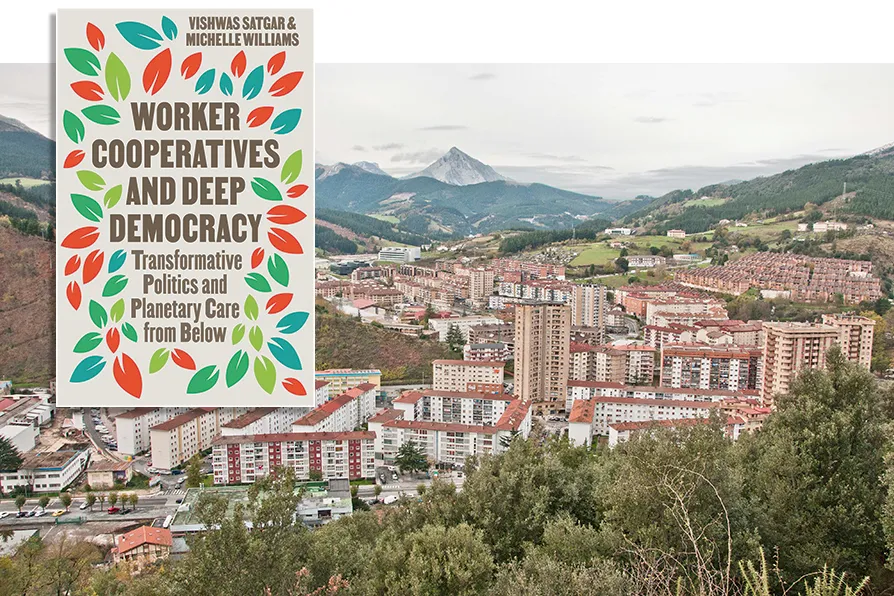
SYLVIA HIKINS welcomes a survey of successful contemporary worker co-operatives and economy-based co-operative systems
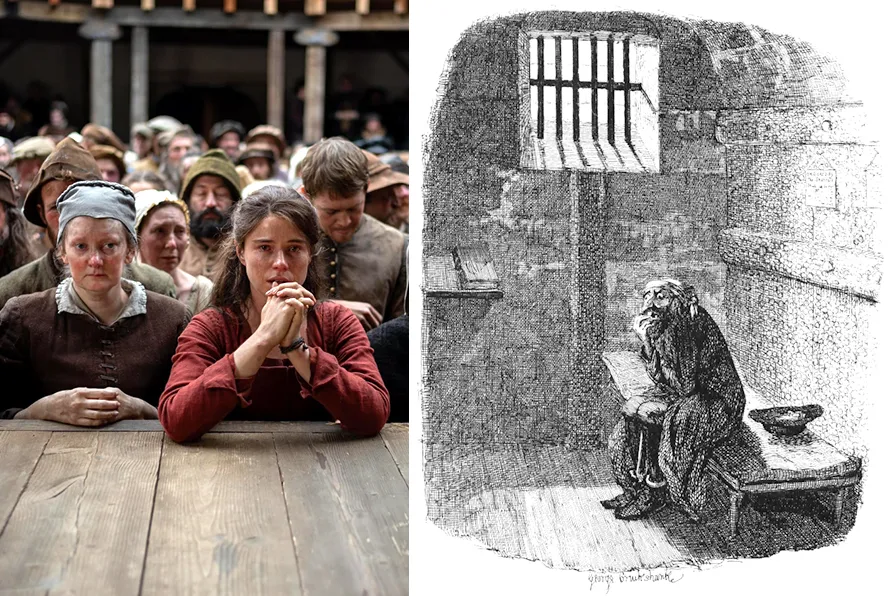
JULIA THOMAS unpicks the mental processes that explain why book-to-film adaptations so often disappoint
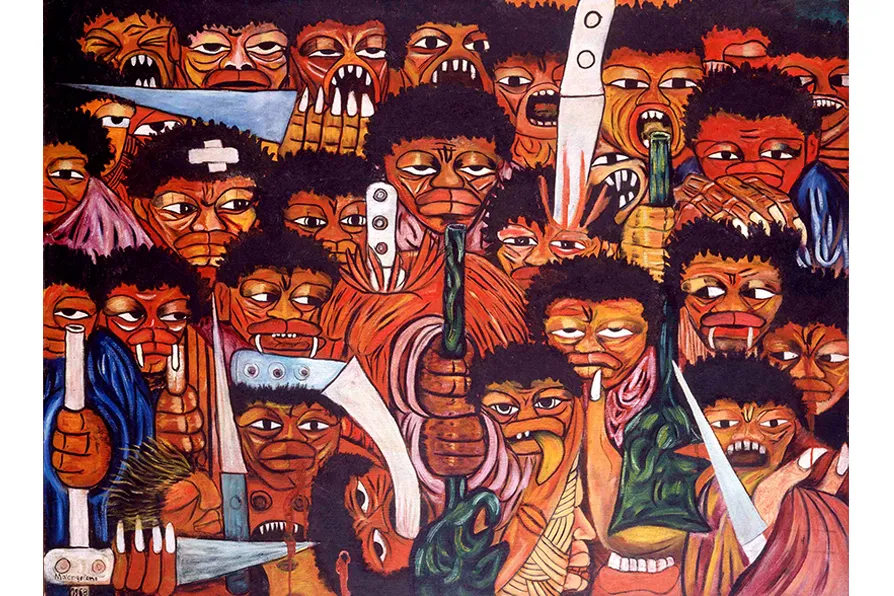
JOHN GREEN welcomes a remarkable study of Mozambique’s most renowned contemporary artist
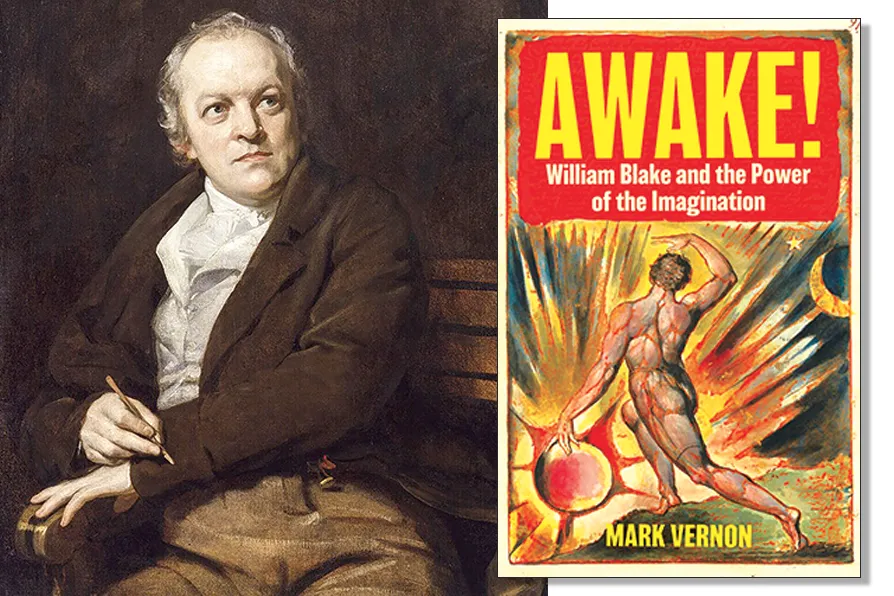
MATTHEW HAWKINS applauds a psychotherapist’s dissection of William Blake