Extreme heat is now one of the defining public health challenges of a warming world, explains Prof IAN WILLIAMS


 Latest editorial
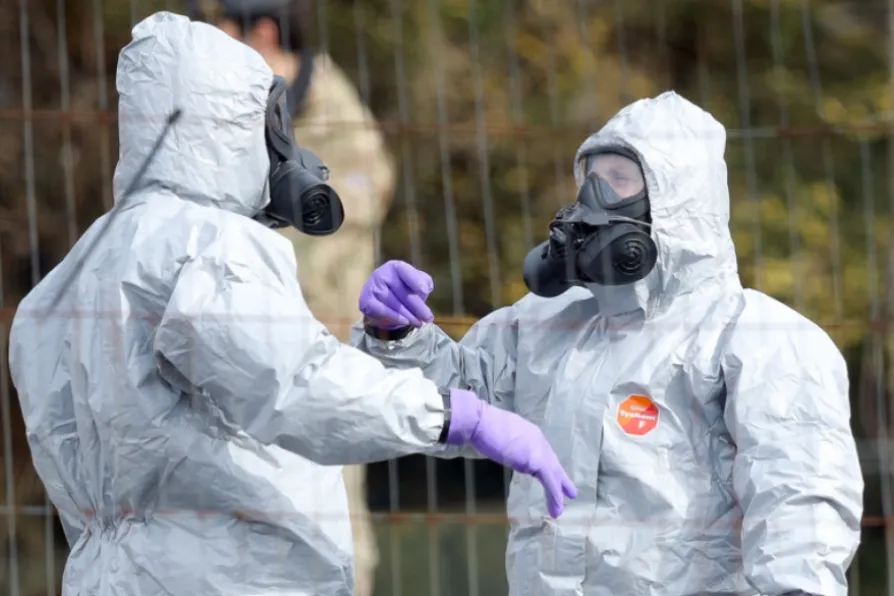
How a toxin weapons control initiative at the UN bombed

19.01.1930-23.04.2026
Kate Clark pays tribute to Ricardo, whose life spanned the hopes of Allende’s Chile, the horrors of military dictatorship and decades of campaigning for justice in exile
The electoral cost of Labour’s stance on Gaza is impossible to ignore – the new leadership must take heed, argues PETER LEARY
After the dismissal of union representatives and years of precarious working conditions, Kimpton Clocktower workers are drawing a line, writes THOMAS BELL
Burnham’s Makerfield triumph offers the party the opportunity to reconnect with working people, but only if it rejects business as usual, says CAROL MOCHAN MSP
KIERA MARSHALL says there is a gulf between the privileged circles in which most politicians move and the lives of working-class youth in left-behind estates – and as a newly elected Senedd member she’s determined to do something about it




ON March 22 two years ago, a country submitted for consideration by diplomats at the United Nations Conference on Disarmament meeting in Geneva an explanatory paper on its initiative on an international convention for the suppression of acts of chemical terrorism.
That country was the Russian Federation.
Article 2 of the proposed convention reads: “Any person commits an offence within the meaning of this convention if that person unlawfully and intentionally uses chemical weapon to commit an action intended to cause death to a civilian or any other person not taking an active part in the hostilities in a situation of armed conflict or to cause serious bodily injury, when the purpose of such action, by its nature or context, is to intimidate population or to compel public authorities or an international organisation to do or to abstain from doing any act.”

Similar stories
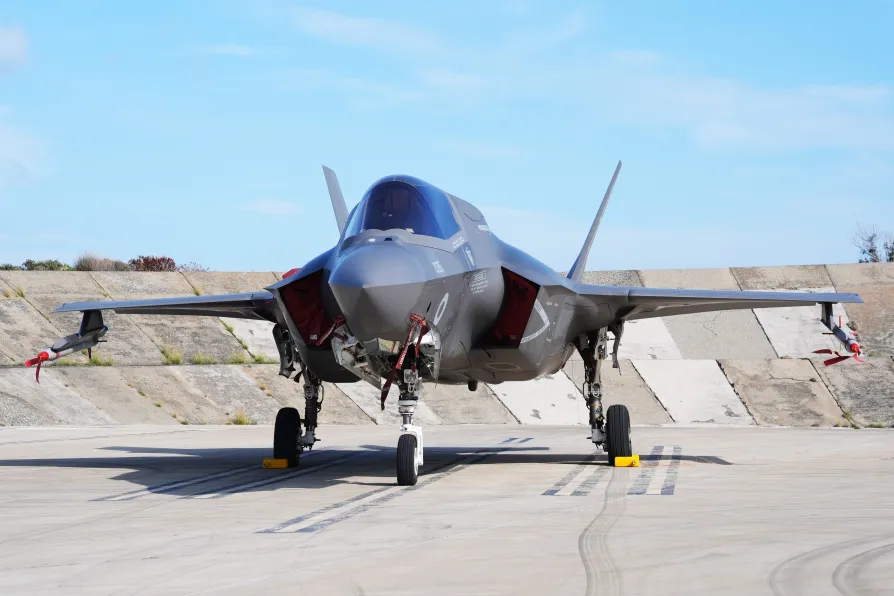
Cypriot lawyer and former central committee member of the Progressive Working People’s Party (Akel) TOUMAZOS TSIELEPIS discusses the case for expelling the British military from Cyprus
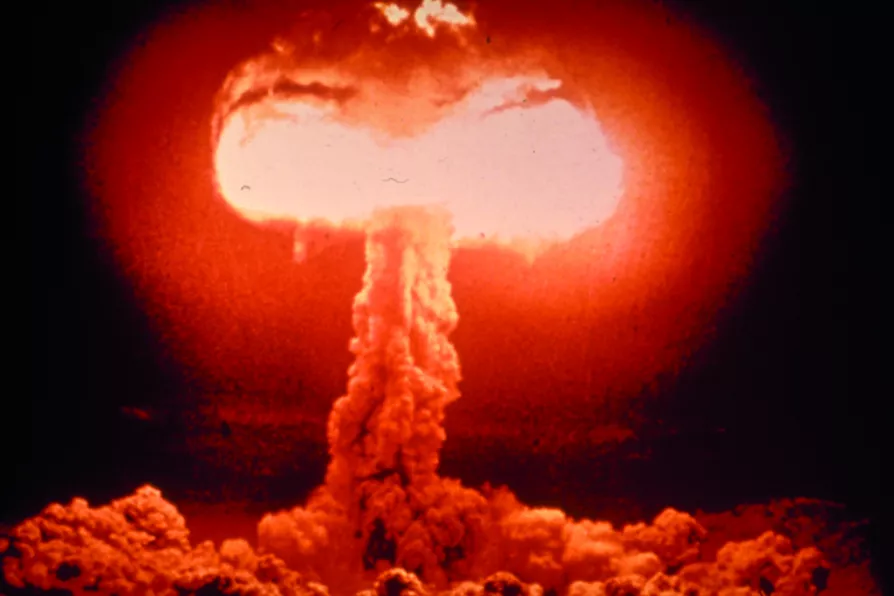
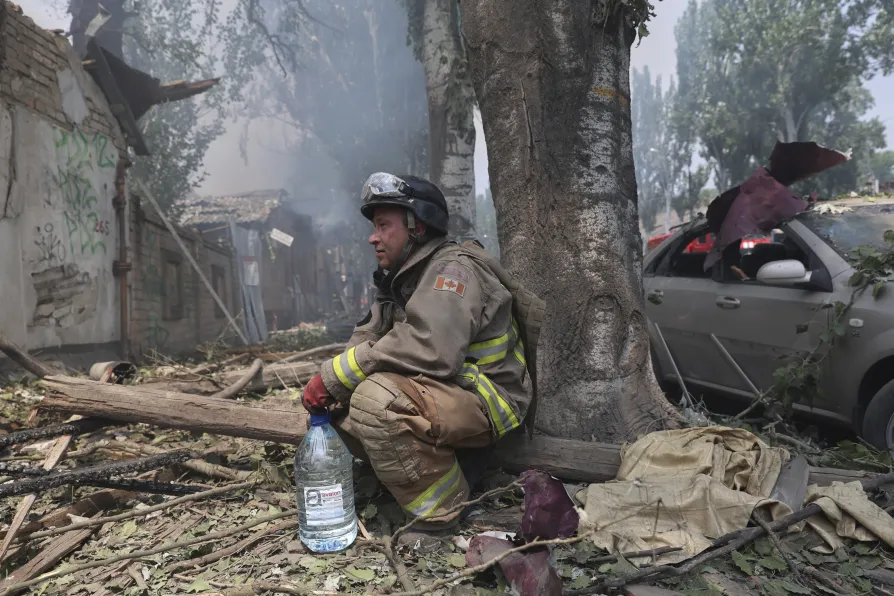
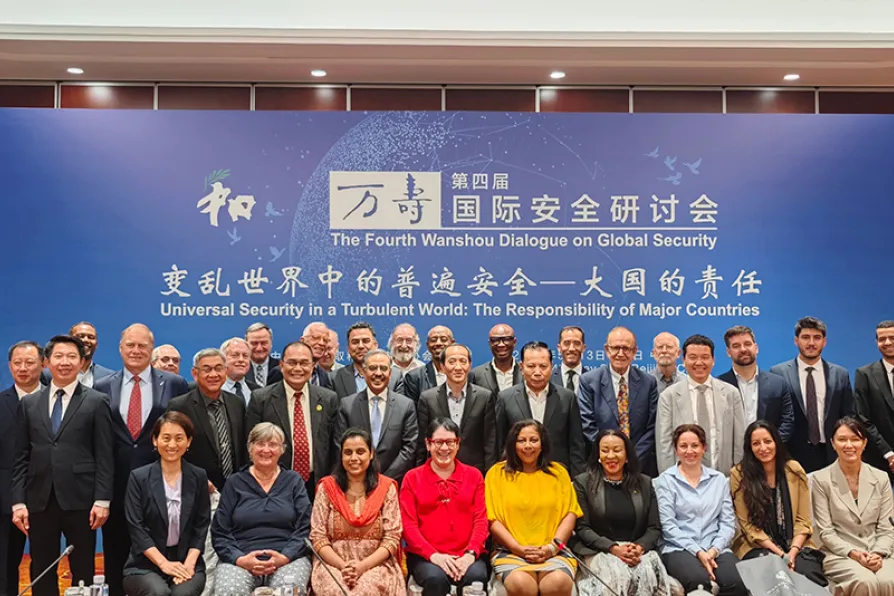
JENNY CLEGG reports from a Chinese peace conference bringing together defence ministers, US think tanks and global South leaders, where speakers warned that the erosion of multilateralism risks regional hotspots exploding into wider war