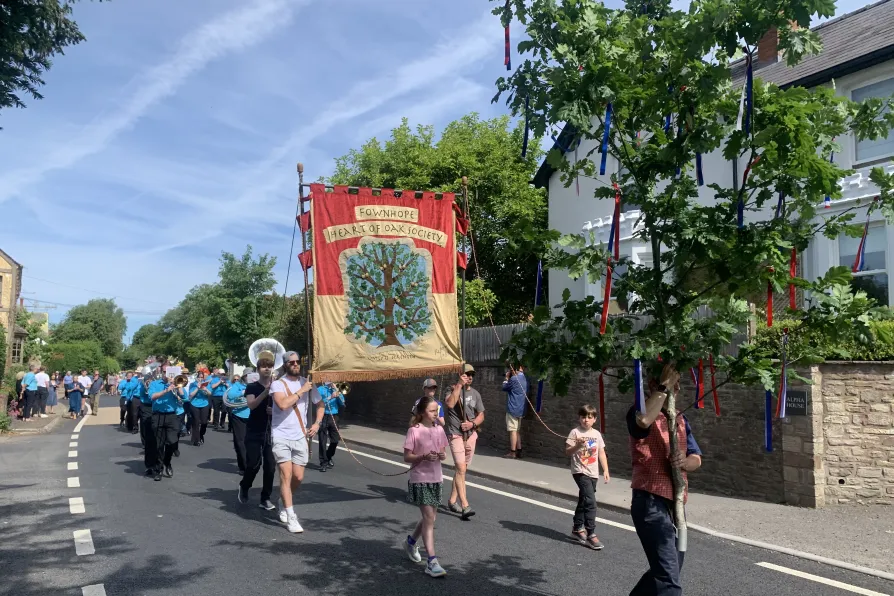
Fownhope’s Heart of Oak Society traces its roots to the age of friendly societies, when communities provided their own safety net. Its anniversary celebrations reveal a tradition still very much alive, says MARK SEDDON


 Latest editorial
Protests are progress
Marched, rallied, gone home and wondered what the point was? Don’t despair, even protests that feel like a failure often have unexpected impacts, write IAN SINCLAIR
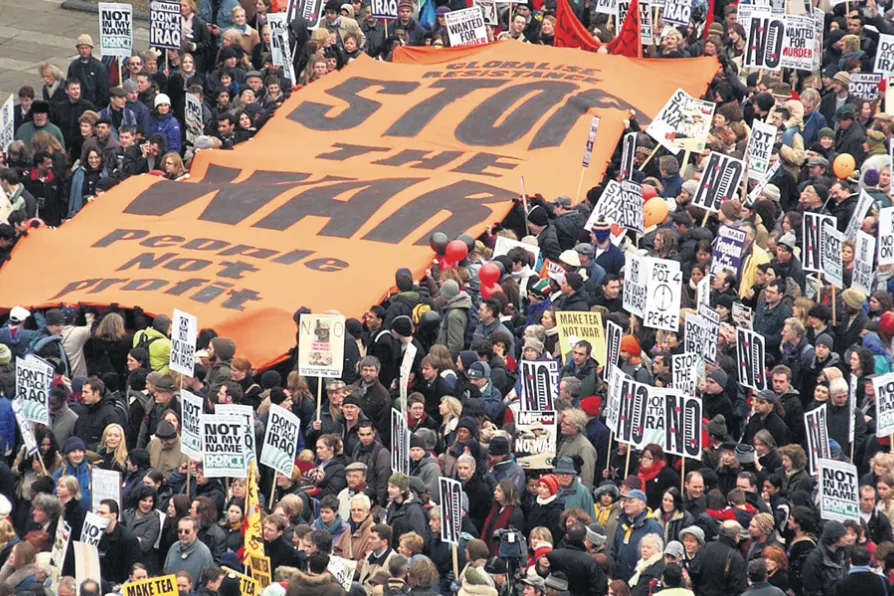 Although the demonstrations failed to stop the invasion of Iraq, they played a significant role in the success of Jeremy Corbyn, pictured here at a Stop The War rally in 2007
ANGUS REID explains the significance of Cuba’s egalitarian in letter and spirit Family Code and the pertinent lessons it holds for democracies anywhere in the world
Special report by PEOPLE’S WORLD
NICK WRIGHT considers how the isolation of Israel and a new film on the controversial Italian communist leader are creating new reference points for Italy’s left
CARLOS MARTINEZ says Cuba’s achievements in the face of a criminal blockade are startling, but the island’s future if the United States succeeds in crushing it looks bleak
AMNON BROWNFIELD STEIN reports that far-right MPs who mobbed the event organised by Hadash may have helped raise awareness of the brutality of the Israeli right




A COMMON response to those protesting is to dismiss it is a waste of time — “the government doesn’t listen” or “things never change,” opine the naysayers. Frustratingly, this argument is sometimes even made by those doing the protesting themselves.
On the 10th anniversary of the huge February 15 2003 anti-Iraq War march, author Tariq Ali, who spoke at the rally in Hyde Park that day, said “It was a huge show of anger, but that’s about it. It left no lasting legacy.”
Leftists and activists working for progressive social change would be wise to steer clear of this kind of negativity and instead remember that actions and protests often have unexpected positive effects on other people and the wider world.
This rule very much applies to protests that seem like a failure at the time.
For example, in the early 1960s, Lisa Peattie, a young US widow, took two of her children to a vigil in front of the White House to protest against nuclear testing.
“The vigil was small, a hundred women at most”, Paul Loeb, a friend of Peattie’s, writes in his bestselling 1999 book The Soul of a Citizen: Living with Conviction in Challenging Times. “Rain poured down. Lisa’s children were restless. Frustrated and soaked, the women joked about how President Kennedy was no doubt sitting inside drinking hot chocolate, warm, comfortable and not even looking at their signs.”
A few years later, Peattie attended another march in Washington DC about nuclear testing, this one significantly larger. One of the speakers that day was the famous paediatrician Benjamin Spock. “Spock described how he’d come to take a stand on the nuclear issue,” Loeb notes. “Because of his stature, his decision was immensely consequential and would pave the way for his equally important opposition to the Vietnam War.”

Similar stories
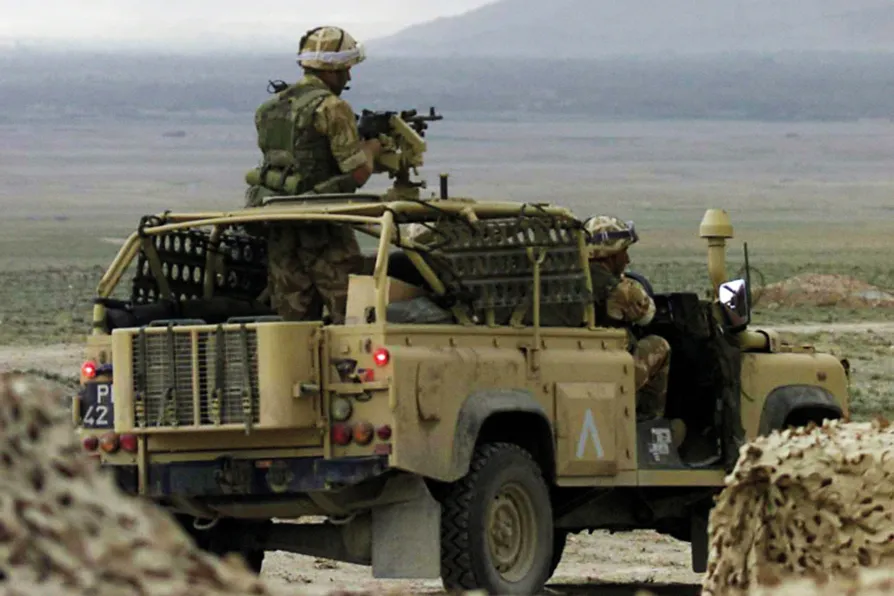
Outrage greeted Donald Trump’s suggestion earlier this year that Britain stayed off the front lines. But evidence suggests our forces were at times pulled from the most dangerous fighting — not by military failure, but by pressure at home, says IAN SINCLAIR
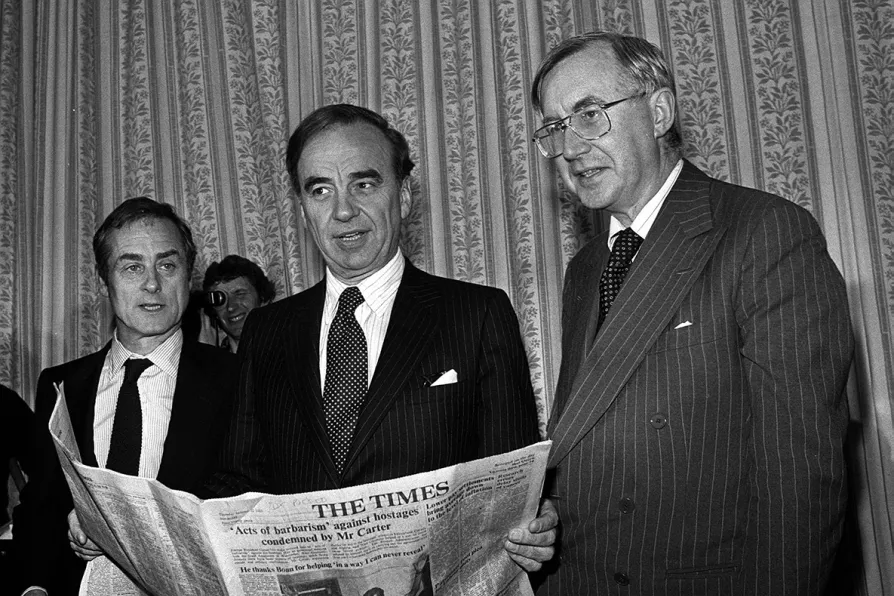
Four decades on, the Wapping dispute stands as both a heroic act of resistance and a decisive moment in the long campaign to break trade union power. Lord JOHN HENDY KC looks back on the events of 1986
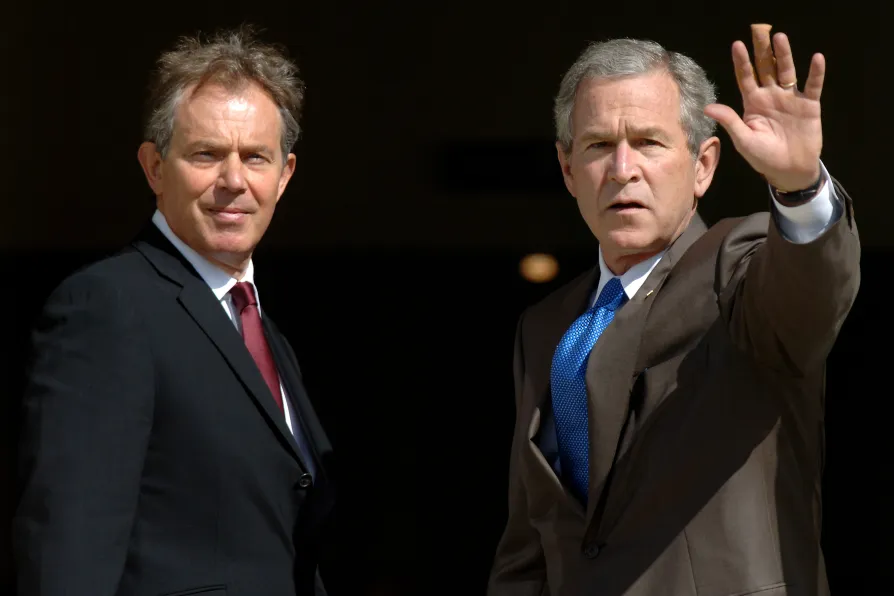
While Hardie, MacDonald and Wilson faced down war pressure from their own Establishment, today’s leadership appears to have forgotten that opposing imperial adventures has historically defined Labour’s moral authority, writes KEITH FLETT
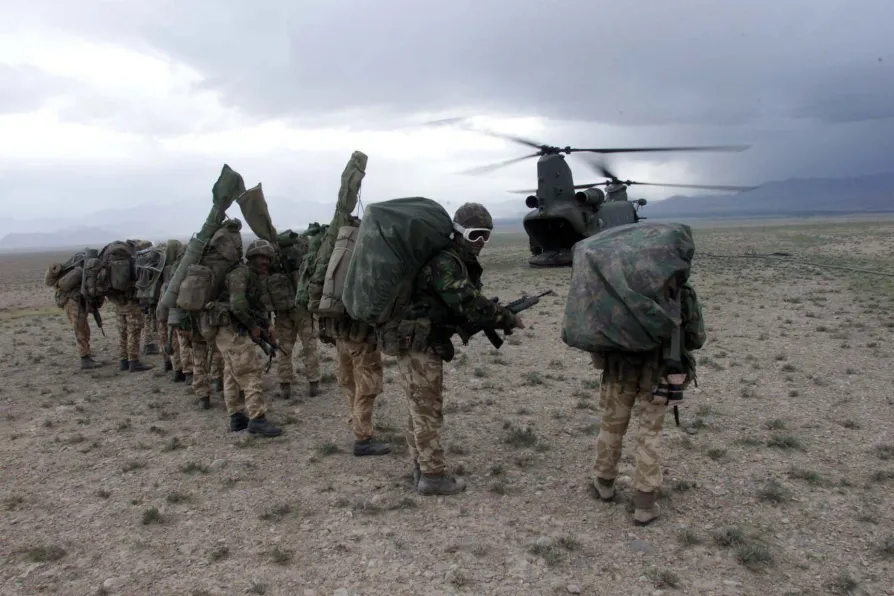
As the cover-ups collapse, IAN SINCLAIR looks at the shocking testimony from British forces who would ‘go in and shoot everyone sleeping there’ during night raids — illegal, systematic murder spawned by an illegal invasion