Special report by PEOPLE’S WORLD


 Latest editorial
Remembering Operation Barbarossa
Many in the West expected a swift and easy victory over the USSR for Hitler — including the Fuhrer himself. They didn't count on the iron will and enormous capacity for sacrifice of the world's first socialist state, writes JOHN ELLISON
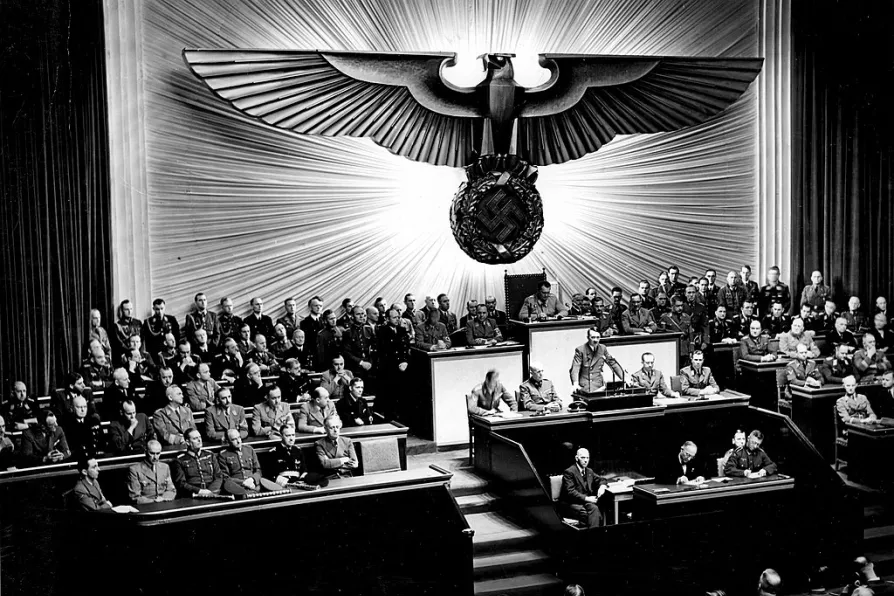 Hitler speaks in the Reichstag in 1941
NICK WRIGHT considers how the isolation of Israel and a new film on the controversial Italian communist leader are creating new reference points for Italy’s left
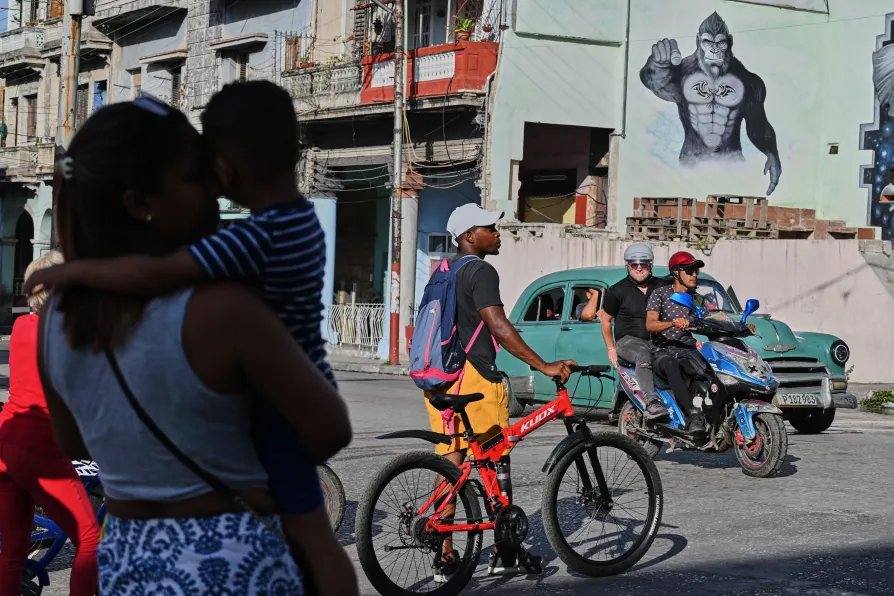
CARLOS MARTINEZ says Cuba’s achievements in the face of a criminal blockade are startling, but the island’s future if the United States succeeds in crushing it looks bleak
AMNON BROWNFIELD STEIN reports that far-right MPs who mobbed the event organised by Hadash may have helped raise awareness of the brutality of the Israeli right
Born on this day in 1931, the heroic revolutionary faces a dangerous new wave of White House aggression. We must treat his birthday as a rallying cry to resist the illegal siege of Cuba, writes ROGER McKENZIE
RAMZY BAROUD decries the rats of Gaza, the rodent and human type. Both abound as profiteering from tragedy reaches obscene levels




80 YEARS AGO on June 22, 1941, the armies of Nazi Germany swept across the frontier of what was then the Soviet Union along a front exceeding a thousand miles.
Over three million soldiers, including Finnish troops to the north and Romanian troops to the south, with thousands of tanks and aircraft to the fore and fortified by the war industries of already occupied countries, constituted the Nazi attacking force.
Brutality against civilians was to be unconfined. Hitler’s hopes were high given his low opinion of the Soviet peoples’ ability to resist. The invasion followed a series of devastating blitzkrieg strategies beginning with that against Poland in September 1939.

Similar stories
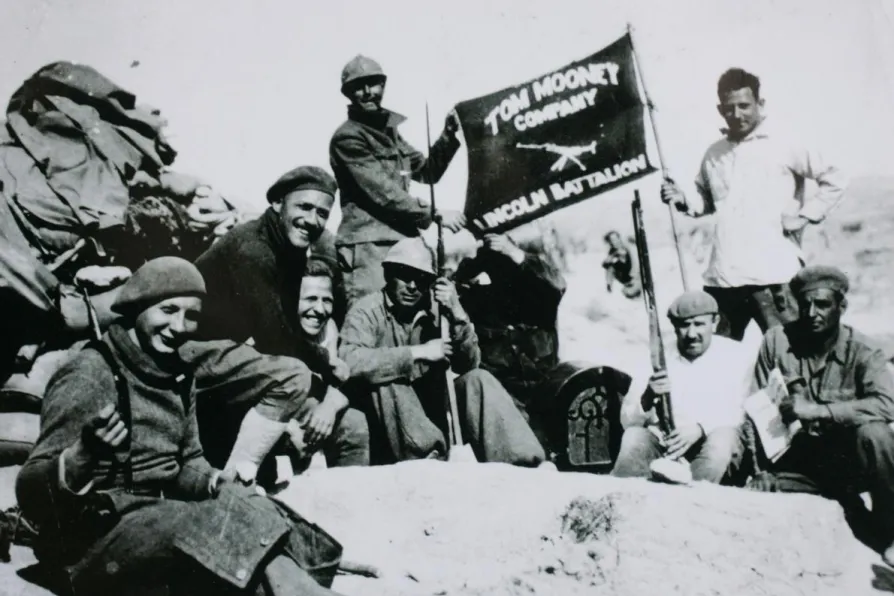
CJ ATKINS commemorates one of the most dramatic moments in working-class history
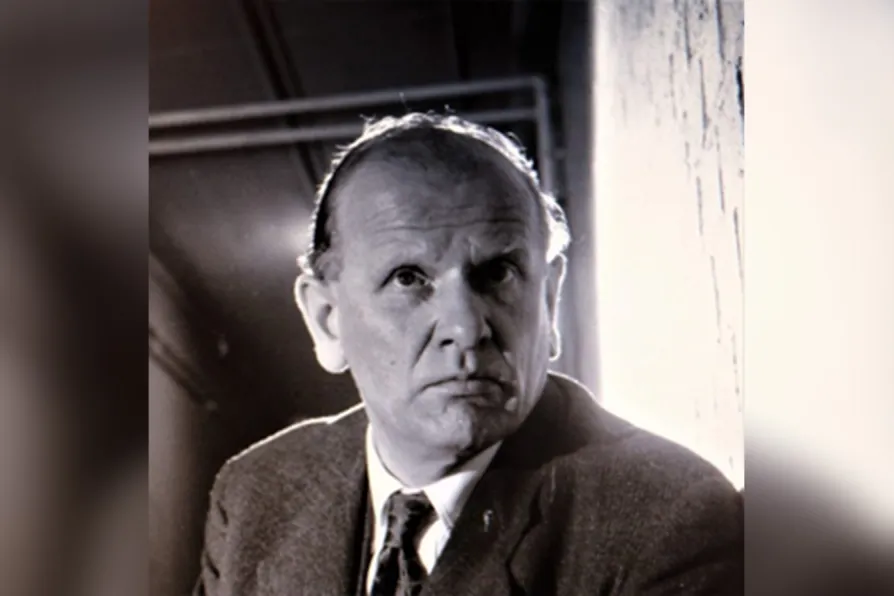
TONY FOX invites readers to come and hear the story of the remarkable Liverpudlian International Brigader Alexander Foote
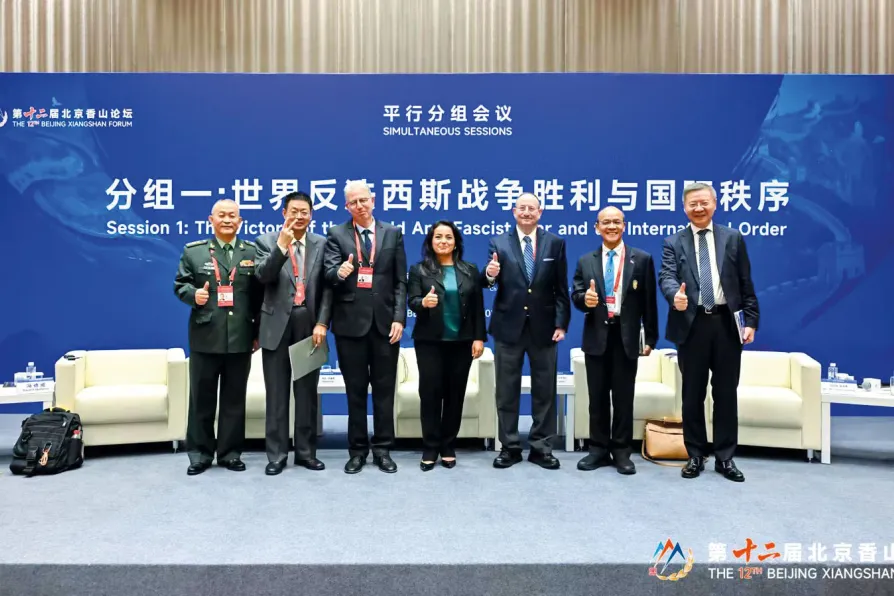
In a speech to the 12th Xiangshan Forum in Beijing, SEVIM DAGDELEN warns of a growing historical revisionism to whitewash Germany and Japan’s role in WWII as part of a return to a cold war strategy from the West — but multipolarity will win out
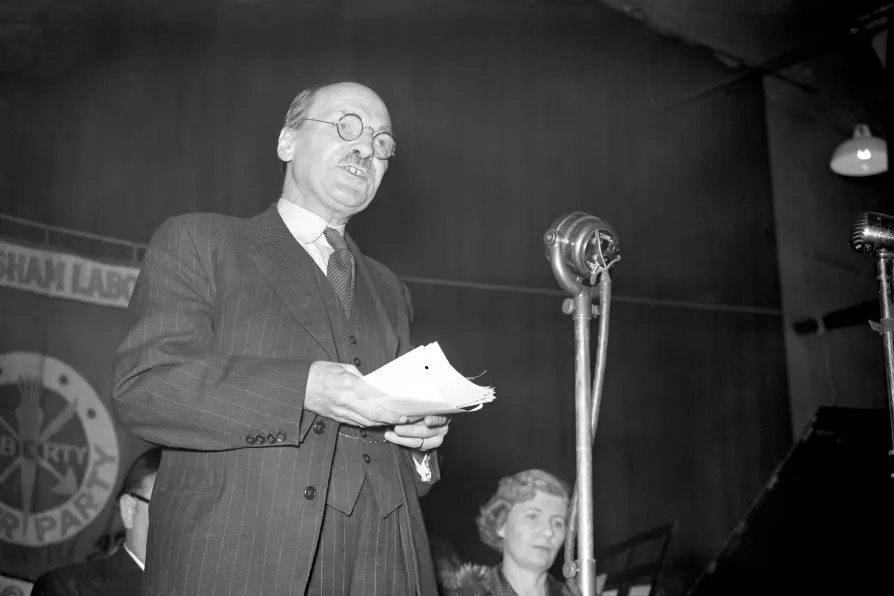
The summer of 1950 saw Labour abandon further nationalisation while escalating Korean War spending from £2.3m to £4.7m, as the government meekly accepted capitalism’s licence and became Washington’s yes-man, writes JOHN ELLISON