Latest editorial
 WARNING: International Atomic Energy Agency Director General Rafael Grossi
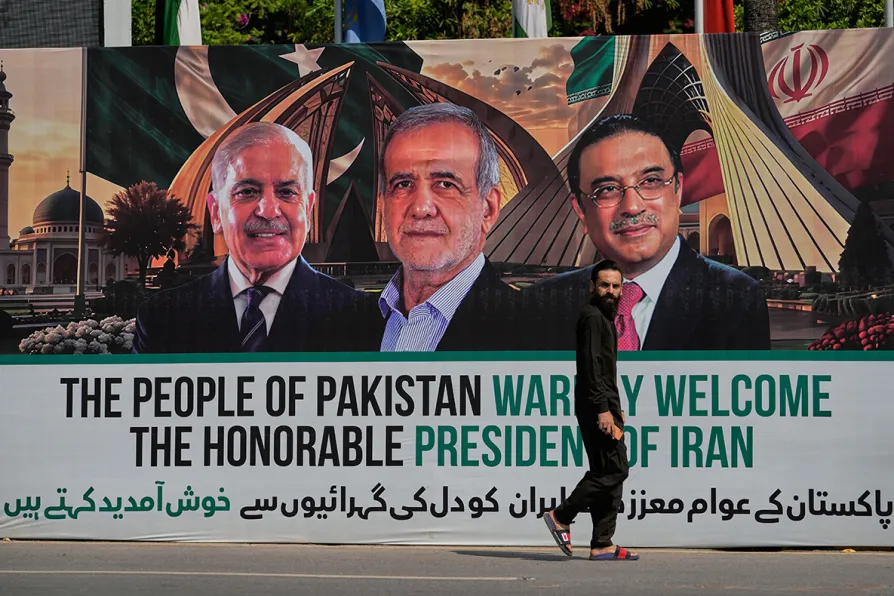




THE head of the United Nations nuclear agency signalled today that Iranian nuclear enrichment sites would be visited by his inspectors, as part of the deal to end the illegal and unprovoked war unleashed by the United States and Israel in February.
But an Iranian diplomat promptly rejected this, saying such visit could only come once a final agreement has been reached.
Since Israel launched its 12-day war on Iran in the summer of last year, the International Atomic Energy Agency (IAEA) has been blocked by Tehran from visiting enrichment sites where the Islamic Republic is believed to be storing highly enriched uranium.
Iran has long maintained that its nuclear programme is peaceful.
IAEA head Rafael Mariano Grossi insisted yesterday that inspections were “going to happen,” telling journalists: “I can understand political statements, but the fundamental thing I would like to draw your attention to is that there has been a memorandum of understanding, signed by both presidents.”
The accord “says explicitly that the nuclear activities that are going to be carried out with regards to the nuclear material facilities will be supervised by the IAEA,” he said.
“Obviously, to do that, we will have to inspect. Whether this happens the day after tomorrow or in one week or in 10 days is important, but not essential. This is going to happen.”
Those inspections are key to the deal, which calls for Iran’s stockpile of uranium to be “downblended” from highly enriched levels.
However, Iranian Deputy Foreign Minister Kazem Gharibabadi took Mr Grossi to task over his remarks, saying that Tehran’s negotiators had not had a meeting with him while in Switzerland.
“These issues will be reviewed and decided only within the framework of a final agreement and as a result of practical action by the other side to end all sanctions and other measures.” Mr Gharibabadi wrote on X.
“You cannot advance the ‘stir up and take over’ policy with media hype.”
On Tuesday, the US Senate passed a resolution calling on President Donald Trump to either halt his military campaign against Iran or seek congressional approval before taking any further action.
The chamber voted 50 to 48 in favour of the resolution, which had been approved in the House of Representatives earlier in the month.
The vote, which saw four Republicans voting with all but one of the Democrats, was the first time a war powers resolution had passed both chambers of Congress.
However, the measure is largely symbolic and is not expected to become law.