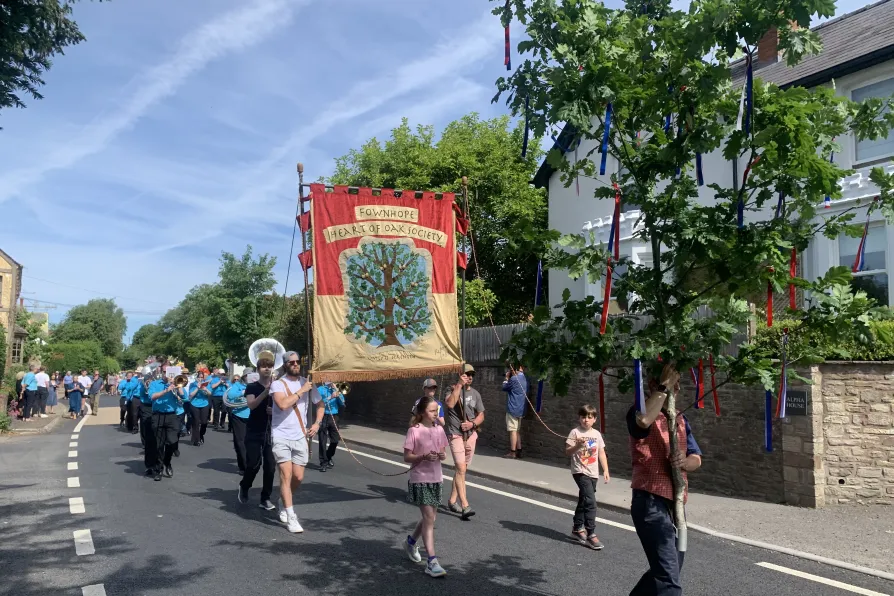
Fownhope’s Heart of Oak Society traces its roots to the age of friendly societies, when communities provided their own safety net. Its anniversary celebrations reveal a tradition still very much alive, says MARK SEDDON


 Latest editorial
Sharpeville must be remembered as Sharpeville
The 1960 murder of black protesters was a turning point in the awareness of racism globally, but today in South Africa, we are allowing it to be remembered simply as Human Rights Day, TSOANA NHLAPO tells Roger McKenzie
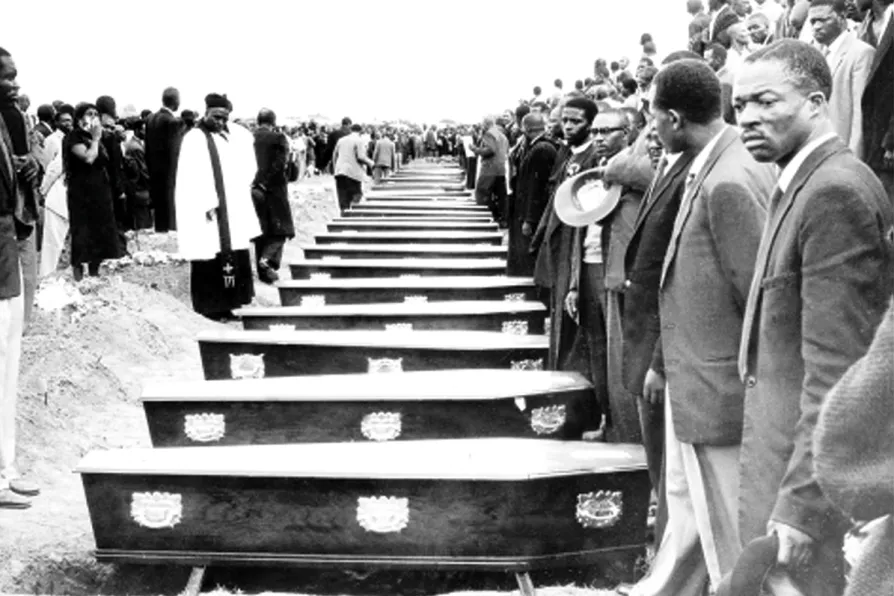 Thousands gather at the graveyard after the massacre
[Peter Magubane via thejournalist.org.za]
Thousands gather at the graveyard after the massacre
[Peter Magubane via thejournalist.org.za]
ANGUS REID explains the significance of Cuba’s egalitarian in letter and spirit Family Code and the pertinent lessons it holds for democracies anywhere in the world
Special report by PEOPLE’S WORLD
NICK WRIGHT considers how the isolation of Israel and a new film on the controversial Italian communist leader are creating new reference points for Italy’s left
CARLOS MARTINEZ says Cuba’s achievements in the face of a criminal blockade are startling, but the island’s future if the United States succeeds in crushing it looks bleak
AMNON BROWNFIELD STEIN reports that far-right MPs who mobbed the event organised by Hadash may have helped raise awareness of the brutality of the Israeli right


FOR Tsoana Nhlapo, chief executive of the Sharpeville Foundation in South Africa, the fight to keep alive the memory of the massacre that took place in March 1960 is a vital one.
Nhlapo says it is still important to remember what happened in the black township of Sharpeville, some 30 miles from Johannesburg, where the apartheid regime’s police murdered at least 69 black people and wounded about 180.
The massacre took place during one of the first open and most violent demonstrations against apartheid and is marked globally on March 21 each year as the United Nations International Day for the Elimination of Racial Discrimination.

Similar stories
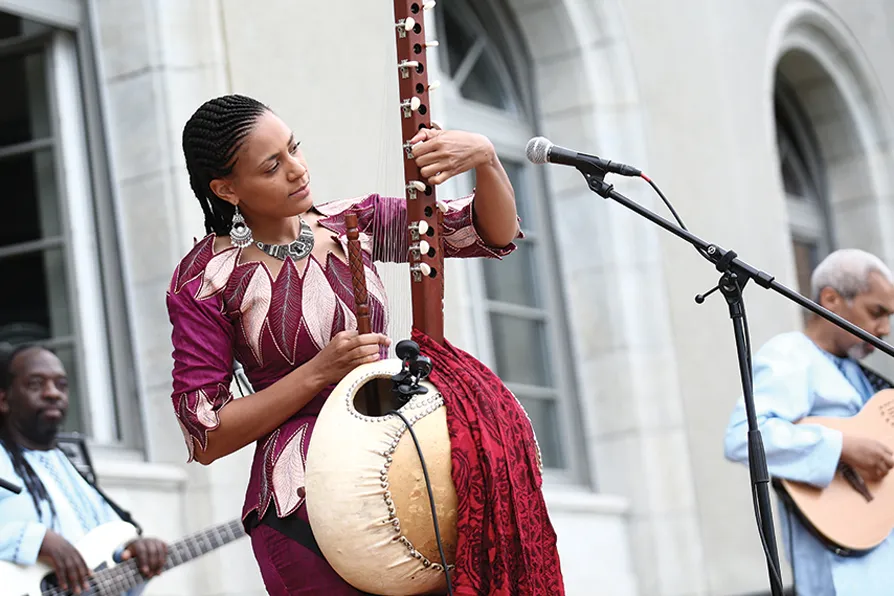
ROGER McKENZIE draws attention to the much-neglected oral traditions of the global South that define the identity – and therefore the liberation – of its custodians
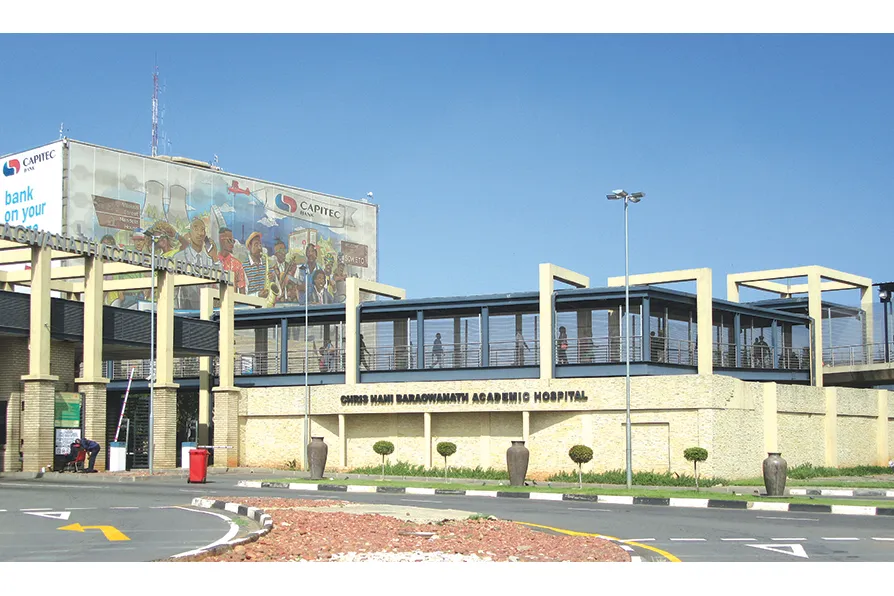
ROGER MCKENZIE recalls the one-in-a-generation communist leader murdered at the dawn of a new South Africa 33 years ago last April 10
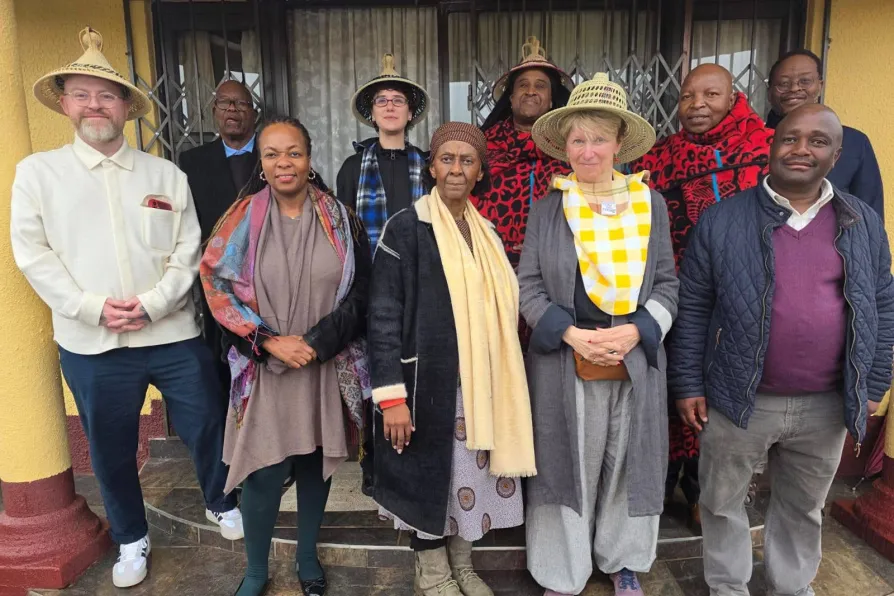
ROGER McKENZIE looks at how ancient traditions practiced today can be the cornerstone of anti-imperialism in Africa

The charter emerged from a profoundly democratic process where people across South Africa answered ‘What kind of country do we want?’ — but imperial backlash and neoliberal compromise deferred its deepest transformations, argues RONNIE KASRILS