

 Latest editorial
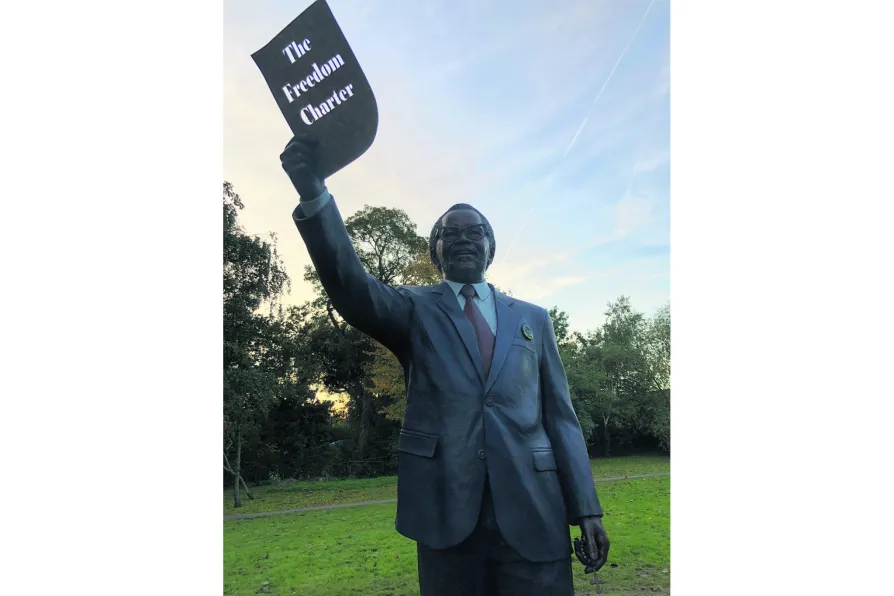



A NEW statue of South African revolutionary Oliver Tambo has been unveiled as a tribute to the man who kept the “flame of hope burning” against apartheid.
The monument is in Albert Road Recreation Ground, north London, near to the house of the longstanding president of the African National Congress (ANC).
The event was attended by ANC veterans and the South African embassy, as well as Labour MPs Bambos Charalambous, Catherine West and shadow foreign secretary Emily Thornberry.

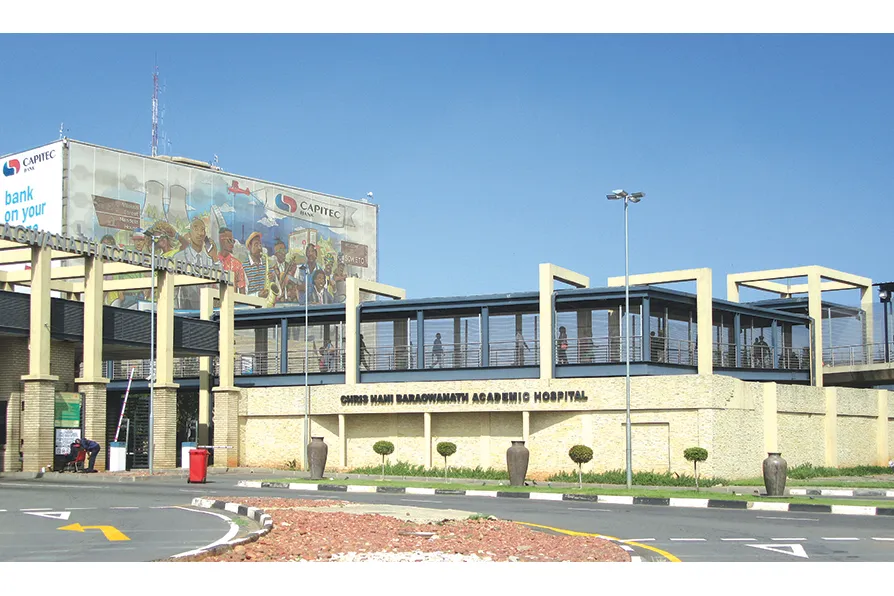
ROGER MCKENZIE recalls the one-in-a-generation communist leader murdered at the dawn of a new South Africa 33 years ago last April 10
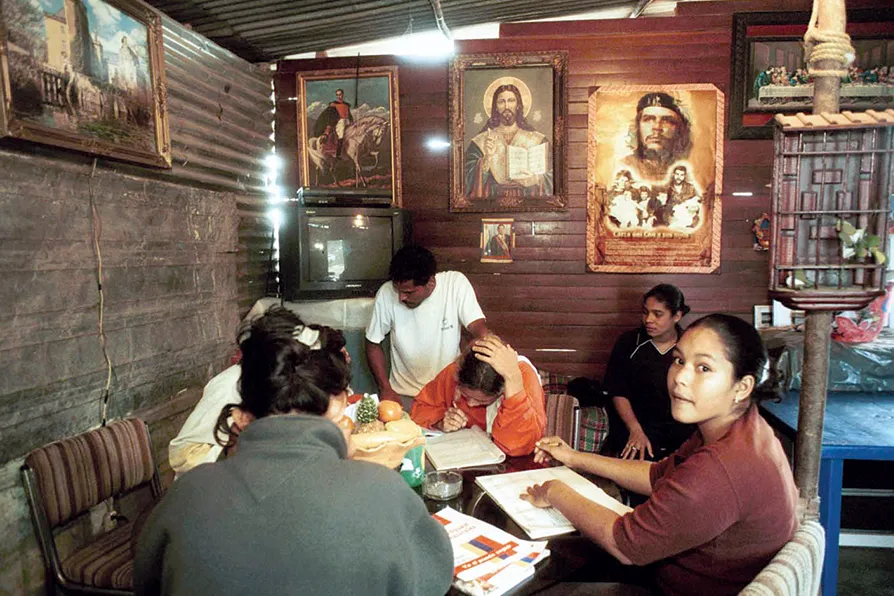
ISAAC SANEY points to the global stakes involved in defending the Cuban revolution against imperialism and calls for resistance

The shared path of the South African Communist Party and the ANC to the ballot box has found itself at a junction. SABINA PRICE reports

The charter emerged from a profoundly democratic process where people across South Africa answered ‘What kind of country do we want?’ — but imperial backlash and neoliberal compromise deferred its deepest transformations, argues RONNIE KASRILS