MARIA DUARTE recommends the true story of the remarkable woman who sued Donald Trump for sexual assault not once, but twice


 Latest editorial
The Texan capitalist massacre
KENNY MacASKILL is disappointed by a polemical, rather than factual, account of the Lone Star State and its political path since the civil war
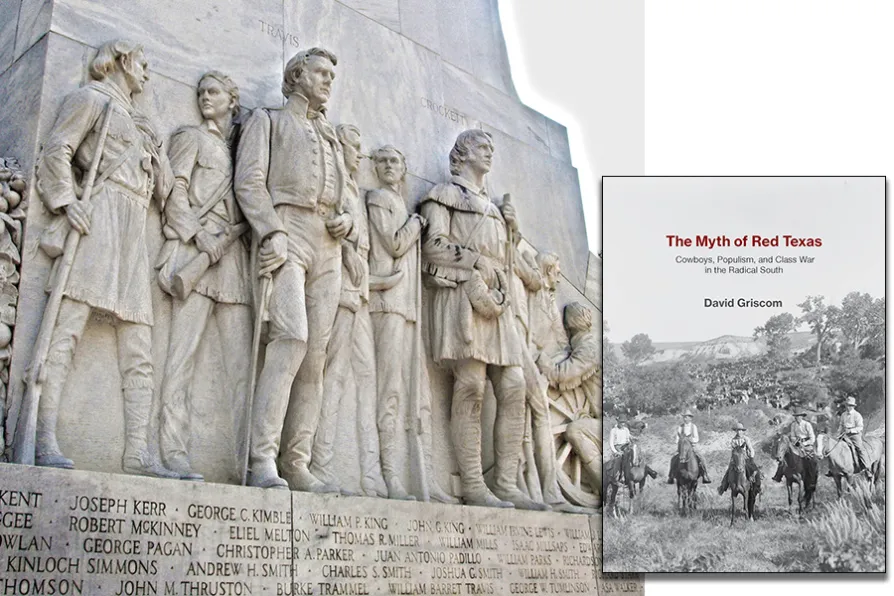 MYTH-MAKING: Alamo Memorial with William B Travis and Davy Crockett [Pic: gillfoto/CC]
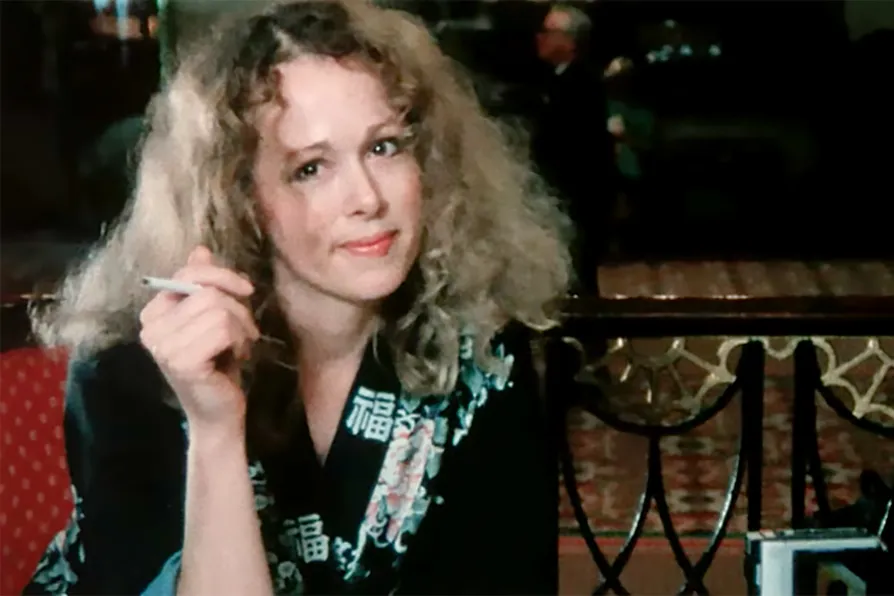
PAUL DONOVAN is fascinated by the lives of Charles and Mary Bagot, and the insight this biography shines on the morals of pre-Victorian society
GORDON PARSONS appreciates fine performances and a feel for ambiguity, but misses the music of the dialogue
DOUGLAS FIELD relishes the hard-boiled language, satire and humour of the third and last of the Harlem trilogy
STEPHANIE BROWN draws attention to the hidden labour of the female embroiderers, and how a 19th century replica made no such error
MIK SABIERS revels in a band that ploughs an idiosyncratic furrow of expletive laden, guitar-driven alt rock
ANDY HEDGECOCK, MARIA DUARTE and ANGUS REID review Synthetic Sincerity, Our Hero, Balthazar, Heartstopper Forever, and A Year In London




The Myth of Red Texas: Cowboys, Populism, and Class War in the Radical South
David Griscom, OR Books, £16.74
THE PHRASE “two nations divided by a common language” is attributed to George Bernard Shaw but is best recalled being quoted by Winston Churchill. Irrespective of the origins of the phrase, this book is as clear an example as you’ll ever come across of the huge gap which exists.
This side of the Atlantic many would be bemused, if not put off, by the title. Yet the reference to “red” is nothing to do with the people’s flag or Clydeside, but relates to the US use of red to depict Republican states, as blue are Democrat; the inverse of political colours in this country. A change of title in Britain may well have been appropriate to avoid potential readers rejecting it after a cursory glance.
Of course, so much of US history is a myth. “Land of the Free,” “Home of the Brave” it certainly is not, neither now under the craven leadership of Donald Trump nor before, as is detailed so meticulously by the great Howard Zinn in his People’s History of the United States, first published in 1980.
Even the Lone Star State has its own mythology accentuated by Hollywood. Far from the blood sacrifice at the Alamo being a fight for freedom against Mexican oppression, it was as much a push by the big ranchers and landowners to retain slavery which, of course, Mexico had just abolished.
The book’s introduction sets the scene, referencing the State’s Senate contest in 2018 when the progressive Democrat Beto O’Rourke took on the Republican incumbent Ted Cruz. The former came close, even winning among those born in Texas, but was still defeated overall, if by a very small margin.
This allows the author to detail the change in the state’s politics brought about since the 1980s by internal migration in the US. Decampment to the Sun Belt, and in particular Texas, has brought with it support for the Republicans, and a Democrat hasn’t won a statewide office in Texas since 1994 or controlled the State House or Senate for more than two decades.
Yet following the civil war, when Texas was part of the Confederacy, the state became a Democrat fiefdom, albeit a Southern iteration of the party where racism and the abuse of political power were rampant. Those of a certain age will be able to recall that president Lyndon Baines Johnson had been a Texas senator. Best remembered for the Vietnam war, he did, however, also sign off the Civil Rights Act, 1964.
Population growth and a new economy haven’t seen wealth shared and Houston has the worst child poverty figures of any major city in the US. As well as setting out to detail the state’s radical history, the author has a subtext of seeking to lay out a manifesto for radical political change.
But it’s the stories of those hardy spirits which are of most interest — often facing a level of state-perpetrated violence, and showing the Texas Rangers in a different light from US TV shows, or just state-sanctioned violence, the likes of which has thankfully never been seen in this country.
Tales of radical cowboys seeking to organise at a time when Pat Garrett was on the trail are far from the movie image of rugged individualism. Likewise land grabs by rich ranchers crushing the lifeblood out of small farmers by fencing off, if not simply robbing them, are more Steinbeck than The High Chaparral. Confronting the Democrat machine have been farmer organisations, populist parties and even socialist ones, bringing into both the state and the story the likes of Eugene Debs, Big Bill Haywood and the IWW.
It’s a short read but the polemic irked where a straight narration allowing the facts to speak for themselves would have been better. It underwhelmed, and anyone seeking the real story of the United States would be better to read Zinn’s masterpiece, but it’s still worth a glance for the Lone Star State’s contribution.

Similar stories
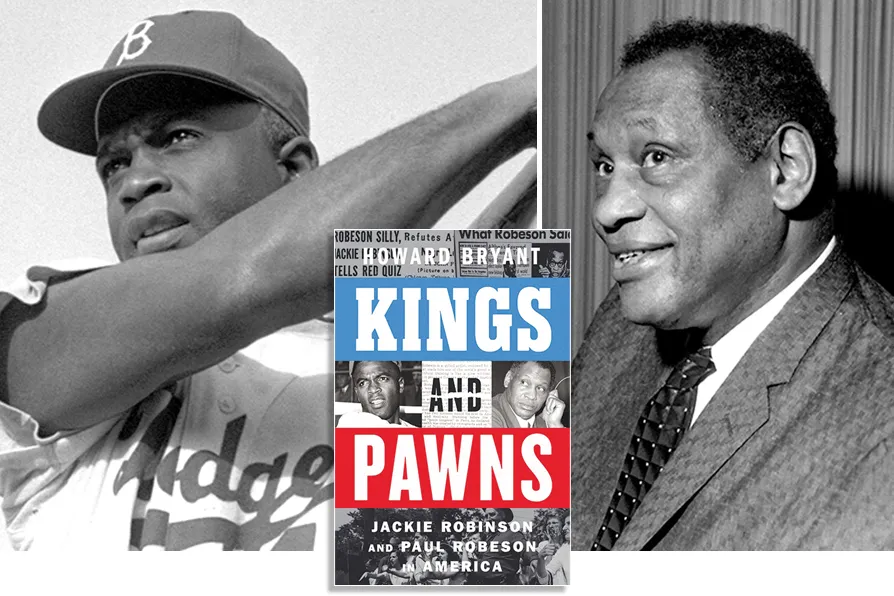
RON JACOBS recommends a book that charts the disparate circumstances that defined the lives of two prominent black Afro-Americans — one a communist, the other an anti-communist
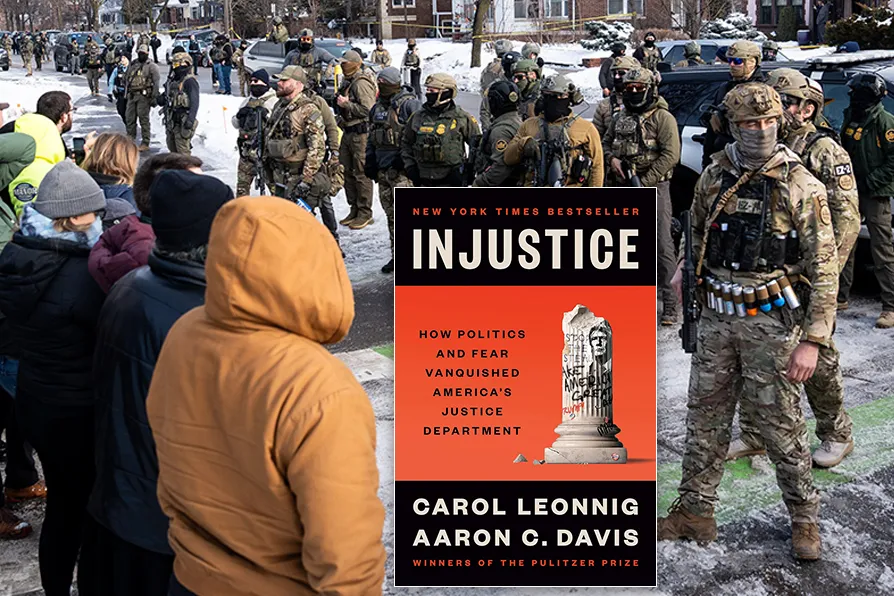
KENNY MacASKILL welcomes a meticulous account of the corruption of the vast US Department of Justice under Trump’s first and second terms
MARIA DUARTE cherishes the flashes of absurd humour and theme of community healing in a documentary set in a Soviet-era Black Sea sanatorium
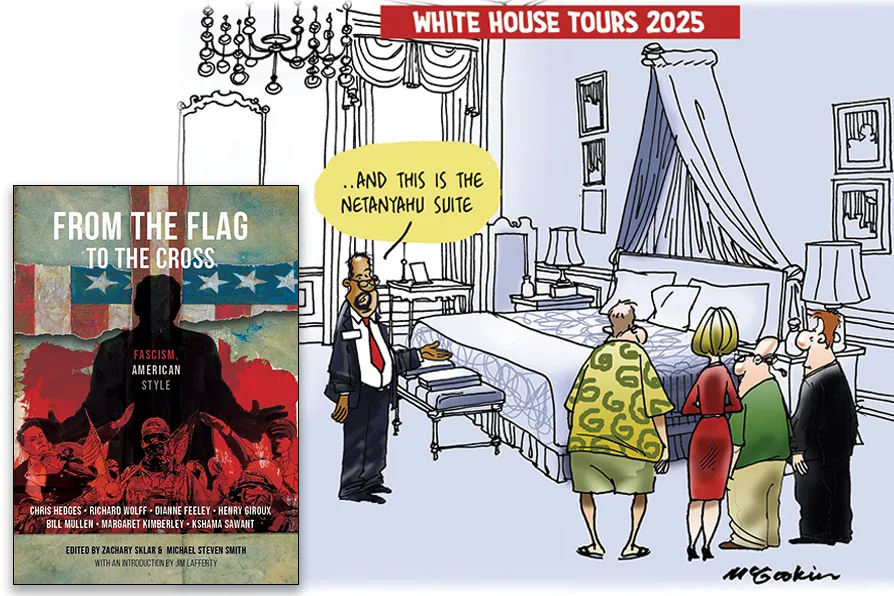
PAUL BUHLE agrees that a grassroots movements for change in needed in the US, independent of electoral politics