In the wake of Ann Widdecombe’s murder, JOHN GREEN wonders whether the government will really get to grips with the root cause of these attacks on our MPs


 Latest editorial
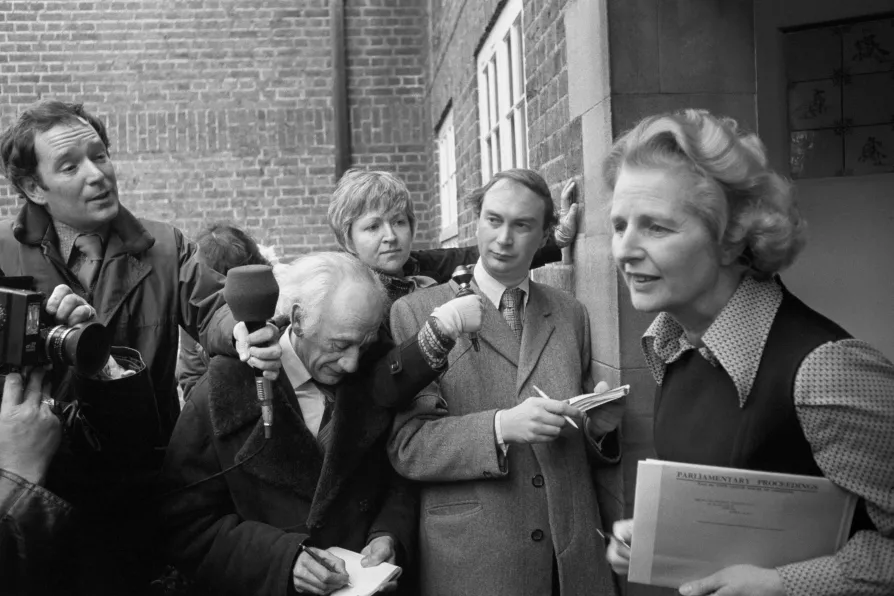 EVEN FURTHER RIGHT: Margaret Thatcher
meets the press outside her Chelsea home
after her leadership victory in 1975
EVEN FURTHER RIGHT: Margaret Thatcher
meets the press outside her Chelsea home
after her leadership victory in 1975
In the wake of Ann Widdecombe’s murder, JOHN GREEN wonders whether the government will really get to grips with the root cause of these attacks on our MPs
Despite the screeching from the right-wing media, Burnham’s speech showed that far from being stuck in the past — he’s learning from it, says Morning Star editor BEN CHACKO
Nature as well as society works dialectically, asserts the Marx Memorial Library and Workers’ School
Rising temperatures and human activity are making life far harder for these vital pollinators. ALEX DITTRICH explains
Lesbians and Gays Support the Miners co-founder MIKE JACKSON talks to Matt Kerr about the enduring power of Pride, protest and trade unionism
Behind the language of military strategy is a confrontation that risks drawing the wider Middle East into war, says STEVE BISHOP



IT’S 50 YEARS since Margaret Thatcher was elected Tory leader. Ted Heath had lost two elections to Labour in February and October 1974 and was eventually forced to call a leadership election in February 1975. He lost in the first round of voting on February 4 to a right-wing outsider — Thatcher. In the second ballot she got a majority of all Tory MPs over four other middle-aged white men in suits and became Tory leader. Just over four years later in May 1979 she became prime minister.
The 50th anniversary has already been marked by a two-part recreation of an interview Brian Walden did with her in 1989. An opera written by social historian Dominic Sandbrook is due later this year.
Thatcher’s victory was unexpected, not least because she represented a rightward shift in Tory politics — even if anyone active in the early 1970s in the labour movement would have thought Heath with his hard line anti-union stance was quite right-wing enough.


Keir Starmer's early political life suggests a very different future from the one he ultimately embraced, says KEITH FLETT
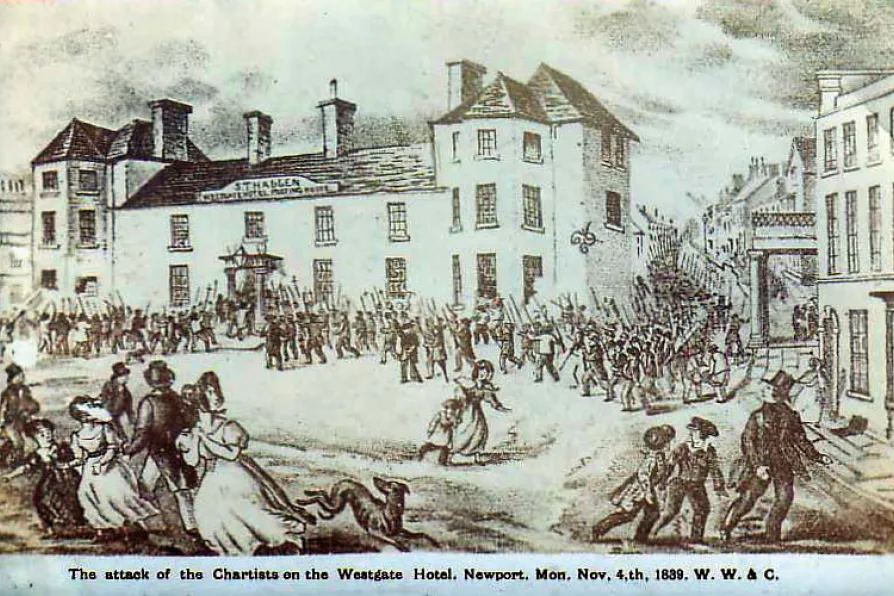
It’s not just the Starmer regime: the workers of Britain have always faced legal affronts on their right to assemble and dissent, and the Labour Party especially has meddled with our freedoms from its earliest days, writes KEITH FLETT

Who you ask and how you ask matter, as does why you are asking — the history of opinion polls shows they are as much about creating opinions as they are about recording them, writes socialist historian KEITH FLETT
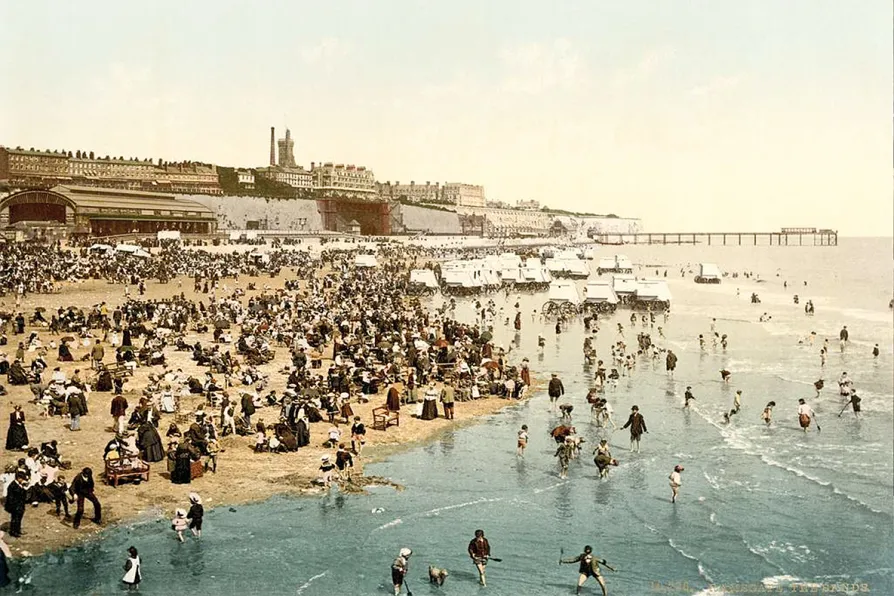
The summer saw the co-founders of modern communism travelling from Ramsgate to Neuenahr to Scotland in search of good weather, good health and good newspapers in the reading rooms, writes KEITH FLETT