
The campaign against the Bank of England’s ongoing theft of Venezuelan gold is gaining support across the labour movement and beyond, writes MATT WILLGRESS


‘They will never see another election:’ Nicaragua defends its democracy against foreign meddling
Claims that Nicaragua has abolished elections followed a headline that stripped Daniel Ortega’s remarks of their historical and political context. The full speech tells a different story, says BECCA RENK FOSTER
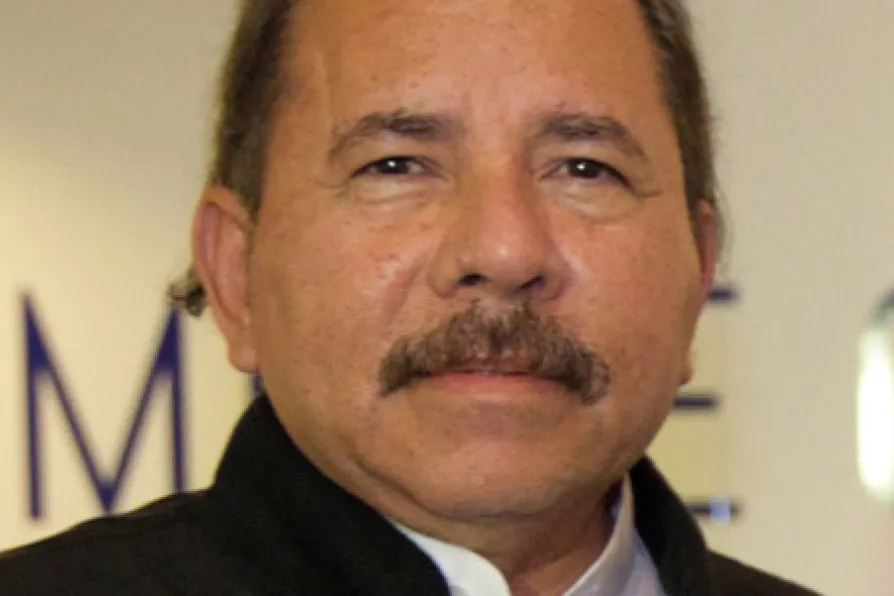
 Daniel Ortega, picture in 2022 [Pic: Presidencia de la Republica Mexicana/CC]
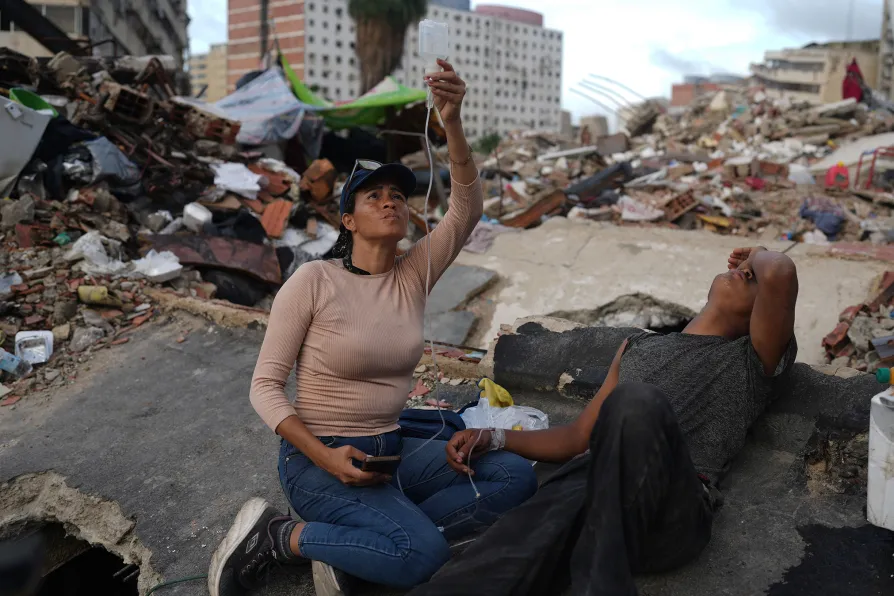
The new Prime Minister must abandon decades of automatic support for US foreign policy, which makes us all less safe, argues DIANE ABBOTT MP
Media Lens at 25: David Cromwell and David Edwards reflect on a quarter-century of media criticism, explaining why independent journalism is more important than ever
MAT COWARD introduces some of the electoral oddballs of the political fringe who remain one of the liveliest features of British democracy, despite efforts to abolish them
by Weyman Bennett and Maz’s family




“THEY will never see another election where they can attempt to seize power by cheating their way into government,” Nicaraguan co-president Daniel Ortega said in reference to US-backed opposition groups. He was speaking to a cheering crowd of 70,000 gathered in Managua’s Plaza de Fe on July 19 to mark the 47th anniversary of the triumph of the Sandinista Popular Revolution.
Ortega went on to announce that the country would pass legislation ensuring that political parties which receive funding from the US and threaten Nicaragua’s national security will not be allowed to participate in elections.
The next morning, Reuters chose to run the headline, “Ortega says Nicaragua will no longer hold elections.”
With the US “Shield of the Americas” initiative pushing the so-called “Donroe Doctrine” in Latin America, and Nicaragua’s next general elections scheduled for just over a year from now, that misquote taken out of context was enough to fuel international backlash against the Central American nation.
Historical context
Ortega’s remarks, however, were the conclusion to a speech detailing 200 years of unrelenting US interference in Nicaragua. In his trademark style, Ortega’s discourse began with a history lesson including resistance to US mercenary William Walker’s invasion in the 1850s; Augusto Sandino’s fight against the US marines in the 1920s, his assassination by orders from the US ambassador, and the installation of Anastasio Somoza’s US-backed military dictatorship.
Somoza held elections; Ortega told his supporters. “But in every election, they already knew who would win before going to the polls. It always had to be a Somoza supporter, ready to kneel before the Yankees; otherwise, they wouldn’t get elected.”
Blatant US meddling in Nicaragua’s elections and internal affairs didn’t end when the Frente Sandinista de Liberacion Nacional (FSLN) overthrew Somoza in 1979. Following the triumph of the revolution, the US organised and funded the “contra” counter-revolutionary forces, resulting in 50,000 dead over 10 years.
In 1990, Nicaragua went to the ballot box with a gun to its head — the US made it clear that if Nicaraguans wanted the war to end, they had to vote for the US candidate. Nicaragua voted for peace, ushering in 16 years of US-backed neoliberal governments during which the poor got poorer and the rich got richer.
Despite continued US meddling, the FSLN won elections in 2006 and have stayed in power since, winning three subsequent elections and garnering 76 per cent of the vote in 2021.
Recent coup context
During his address, Ortega remembered the violent coup attempt in 2018 when armed opposition groups paralysed the country with violent roadblocks and some 270 people were killed. Investigations have shown that the US government funded the violence.
Since then, Nicaragua has worked to ensure that those responsible for the violence cannot continue to undermine the country’s hard-won peace. On July 19, Ortega warned Nicaraguans that threats to the country’s security remain.
“Just because we’re not at war, don’t think we are at peace. No! They [US-backed opposition] are continuously conspiring, trying to organise political parties, so that they can put up candidates and ensure those parties win the elections,” he said.
“Here is where we put an end to the idea that those parties put in power by the Yankees, put in power by Somoza supporters, will ever return to government: never, never, never!”
Ortega ended his remarks with a proposal.
“We are going to work on legislation with the National Assembly and with the corresponding organisations, because we have to make laws that will ensure that the coup plotters, the traitors, will not prevail, no matter how much money the Yankees give them,” he declared. “They will not prevail!”
National context
Any legitimate opposition to the Sandinista party will have to present a strong platform to compete with ruling party achievements over the past 19 years, including: 50 new hospitals and free universal healthcare; free education, including university; 5,000 kilometers of new roads; 4-5 per cent annual GDP growth; Nicaragua is one of the safest countries in the region.
Given the quality of life for the average Nicaraguan today, it’s no wonder that recent polls show Ortega enjoying an 88.5 per cent approval rating.
Regional context
The larger context surrounding the spin on Ortega’s remarks is increased US pressure on Latin America. Even without mentioning the recent kidnapping of Venezuela’s president or the current stranglehold on Cuba — both of which Ortega did, in fact, mention in his speech — over the past year the US has interfered in elections across the region.
In Argentina, Bolivia, Honduras, Peru and Colombia, the US has explicitly tied its economic support to right wing candidates, hosted preferred candidates at the White House and imposed sanctions left-wing parties. US lawmakers also mobilised conservative Colombian ex-pats, resulting in overseas votes that proved crucial in the final count.
Intervention in the Honduran elections last November has revealed a larger plot to destabilize the region: Trump pardoned former Honduran president Juan Orlando Hernandez, a convicted narcotrafficker, just two days before the election. Since then, a trove of leaked audio recordings dubbed “Hondurasgate,” has revealed that Hernandez is in league with Republican party officials and actively producing propaganda against progressive governments across Latin America.
Defending democracy
Despite international hype over Ortega’s misquoted remarks, Nicaragua is moving forward with the co-presidents’ proposal. On Tuesday, the National Assembly confirmed that it is already working on legislation.
“We the people of Nicaragua will decide when and how our elections will be held,” Dr Gustavo Porras, president of Nicaragua’s National Assembly, told reporters. He announced that lawmakers are working to ensure they “leave no loophole through which the terrible manipulation of the empires and their lackeys can seep in.”
“Comandante Daniel’s speech sums up the history of the Nicaraguan people; his statement that there will never again be elections in this country that allow them — the imperialists, the enemies of the people — to return to power is unequivocal,” Porras said.
“This is about defending the democracy of the Nicaraguan people.”
Becca Renk Foster is originally from Idaho, US. For 25 years, she has lived and worked in sustainable community development in Nicaragua. She co-ordinates the work of Casa Benjamin Linder in Managua and is part of the Nicaragua Solidarity Coalition.

Similar stories
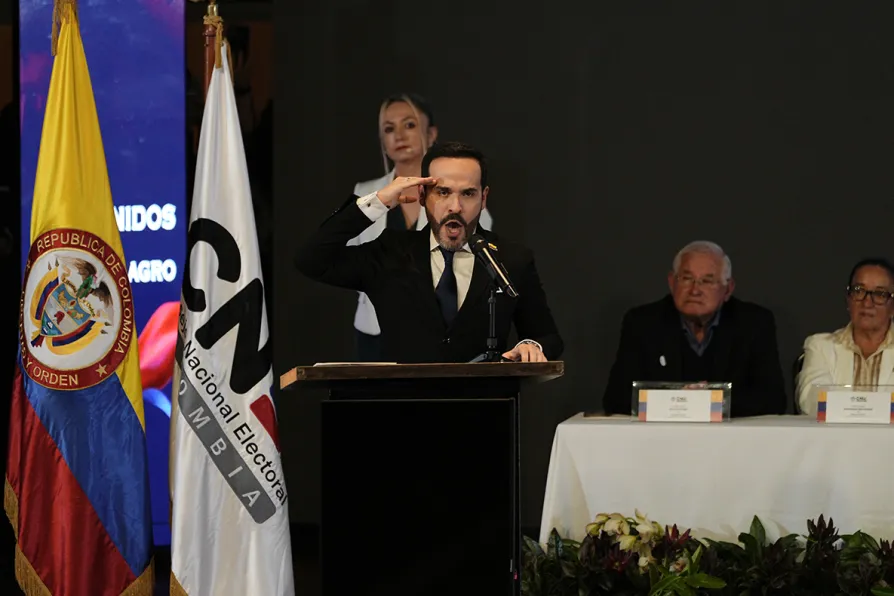
ENRIQUE SANTIAGO ROMERO says the Colombian far-right’s election victory is deeply suspect — and the United States has its fingerprints all over it
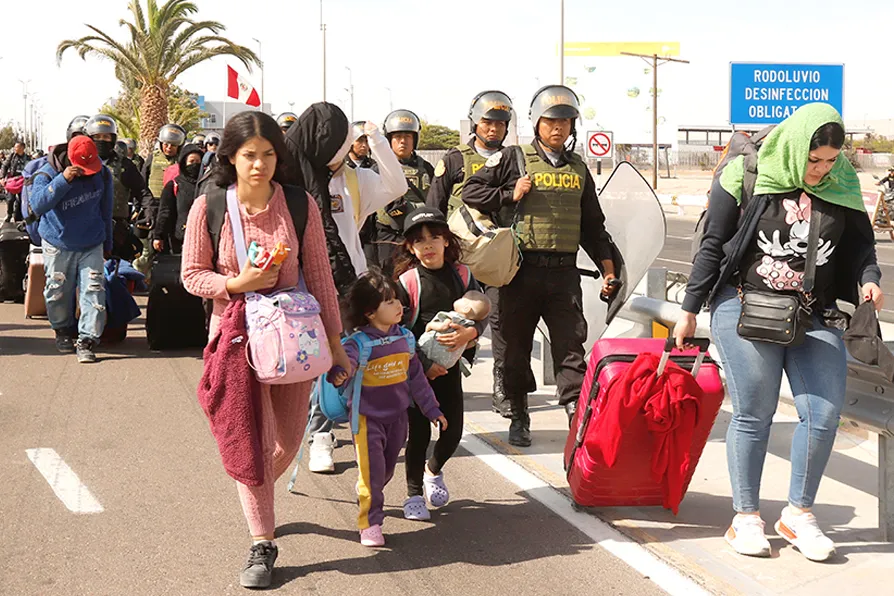
Far-right forces are rising across Latin America and the Caribbean, armed with a common agenda of anti-communism, the culture war, and neoliberal economics, writes VIJAY PRASHAD
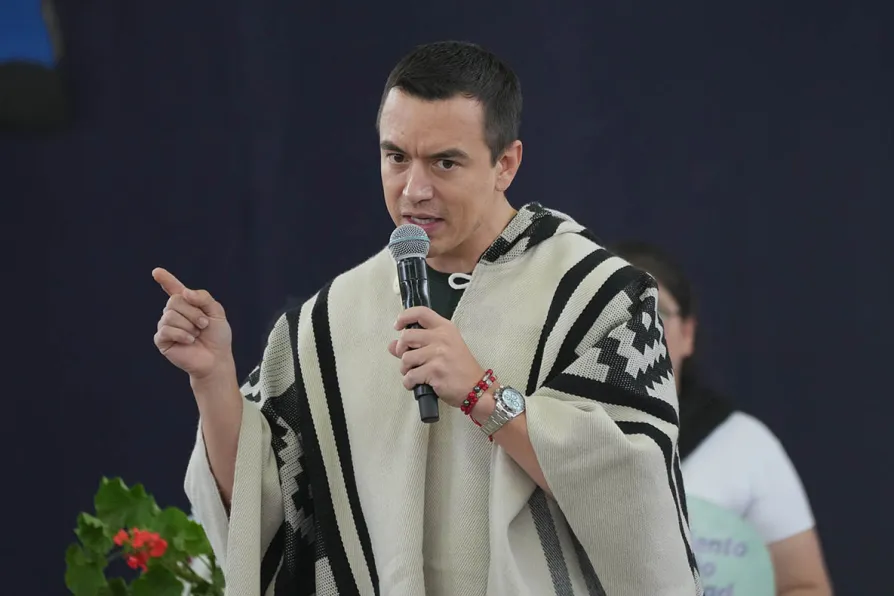
LEE BROWN highlights the latest attempts to undo progressive reforms instated during the presidency of Rafael Correa
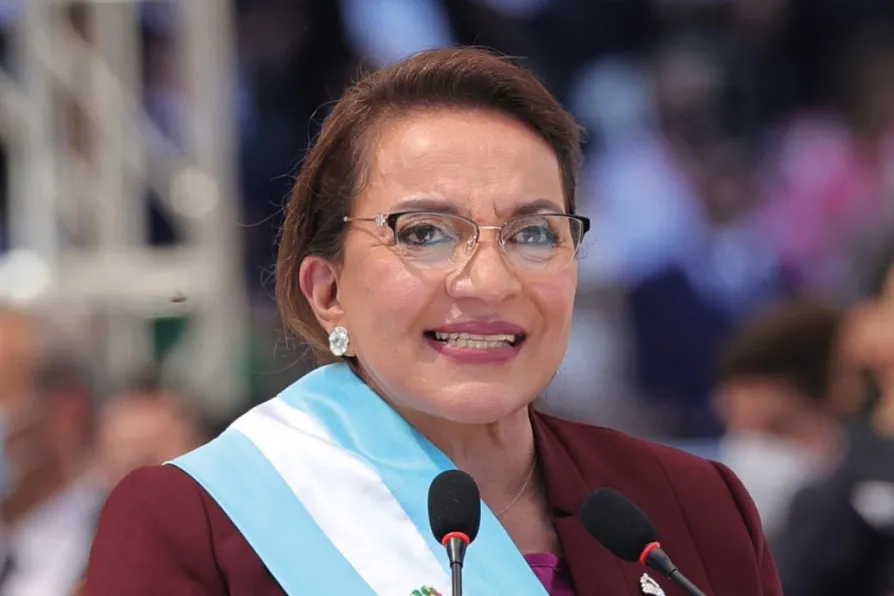
The US is desperate to stop Honduras’s process of social and democratic change, writes TIM YOUNG