Latest editorial
New PM slashes fuel bills and culls Starmer deadwood, but peace activists warn that placing John Healey as new Chancellor shows ‘beyond doubt that the military industrial complex is in charge of Burnham’s economic policy’
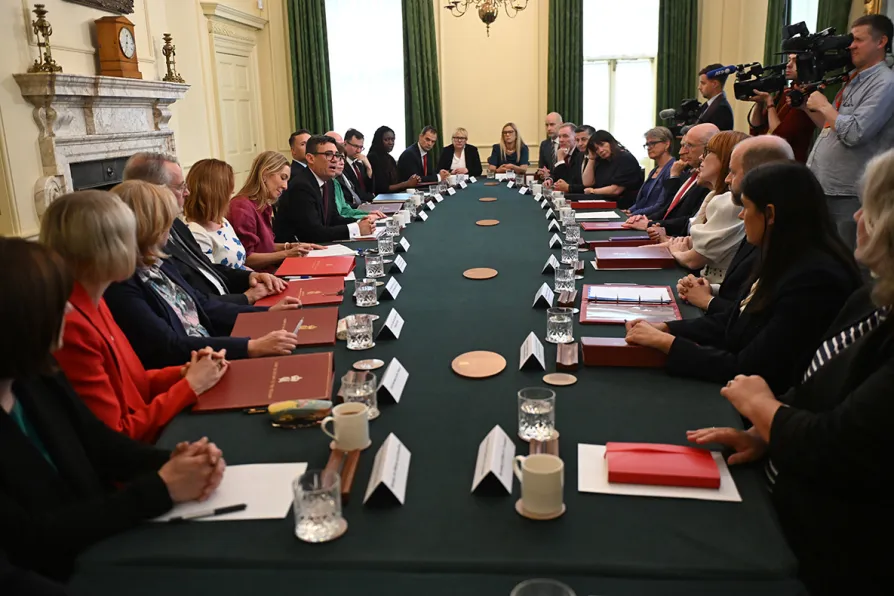
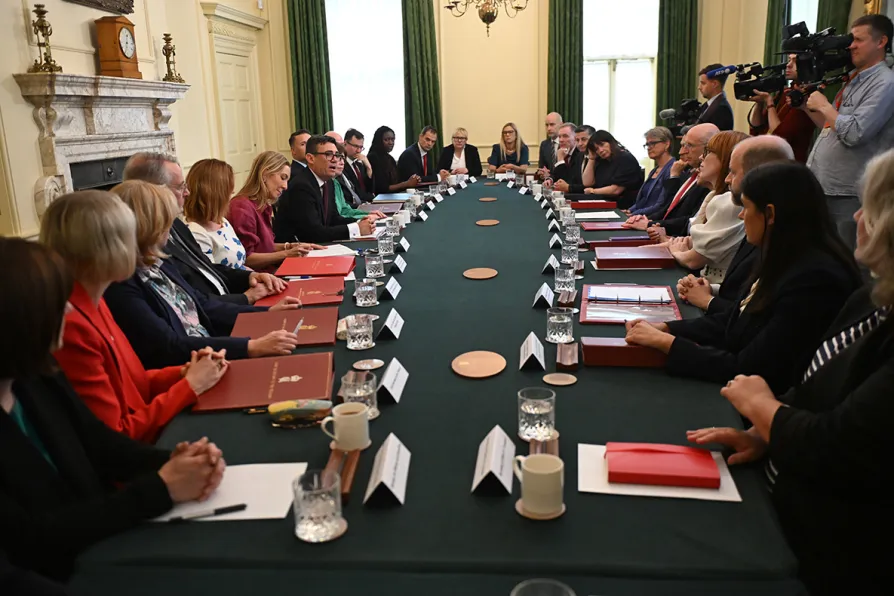 Prime Minister Andy Burnham hosts his first Cabinet meeting at 10 Downing Street, London, July 21, 2026
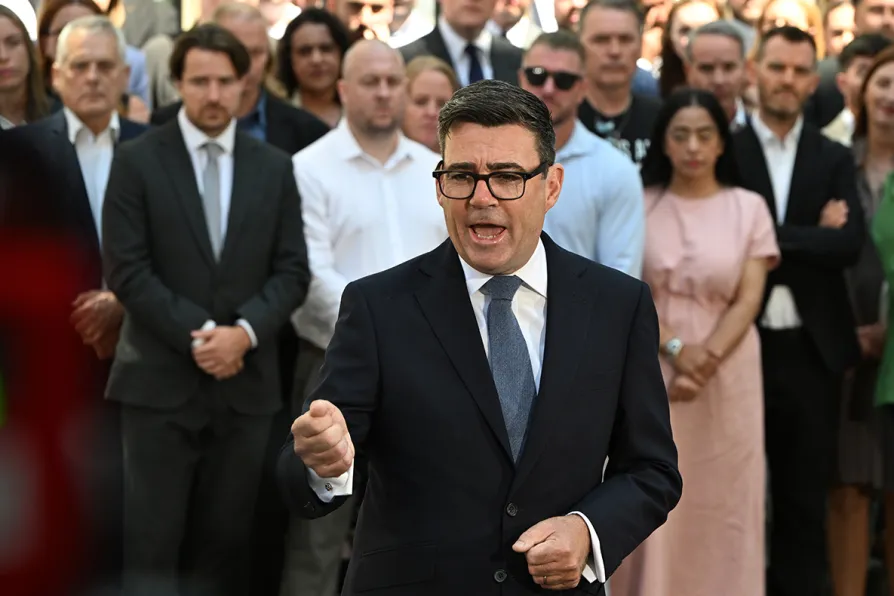



WE ARE a cost-of-living government, Prime Minister Andy Burnham told his new Cabinet today after slashing energy bills for millions.
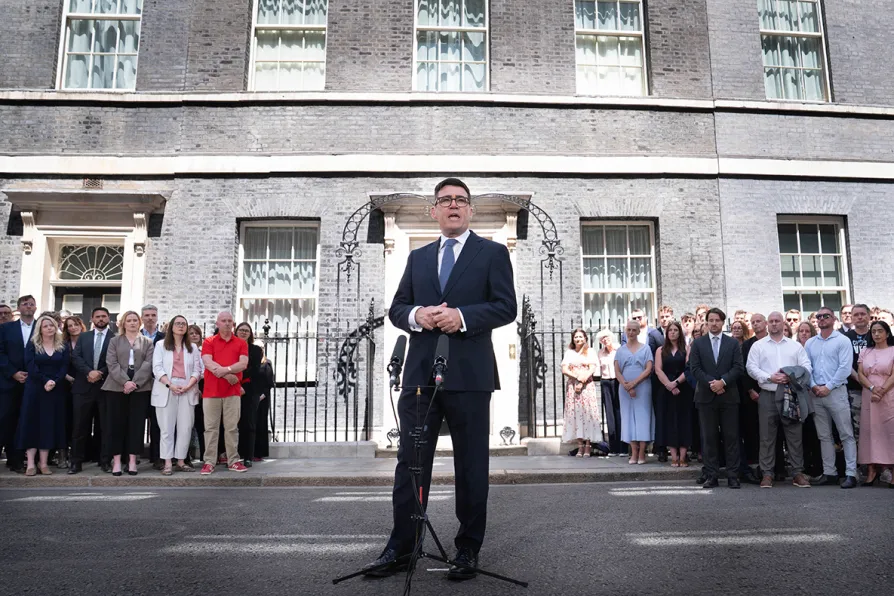
Mr Burnham acted to cut VAT on energy bills at a cost of £850 million as his first major move in Downing Street after naming a new team purged of deadwood from Sir Keir Starmer’s government.
However, anti-war campaigners warned that his choice of inveterate warmonger John Healey as new Chancellor presaged a further attack on welfare, health and education.
In a joint statement, Stop the War Coalition and the Campaign for Nuclear Disarmament said: “To hand the Treasury purse strings to a man who demanded a £197 billion increase in arms and nuclear weapons spending demonstrates beyond doubt that the military industrial complex is in charge of Burnham’s economic policy.
“The arms dealers and generals are undoubtedly now in the cabinet. John Healey’s appointment as chancellor will inevitably mean huge fights over welfare, health and housing to come.
“None of the social and economic ambitions — tackling the cost-of-living crisis in particular — that Burnham claims to aspire to will be possible if an ever-growing portion of the economy is devoted to war and destruction,” the two campaigns stated.
They called on the new government to “stop the arms spending, spend our taxes on welfare, not warfare, demand a ceasefire and peace negotiations in the Russia/Ukraine war and for an end to the US’s illegal war on Iran, and name Israel’s actions in Gaza what they are — a genocide.”
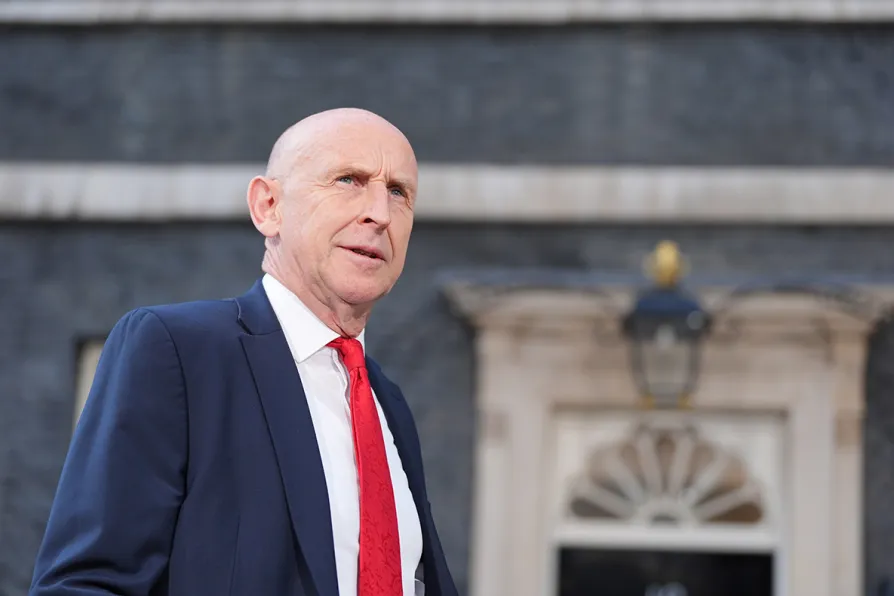
Mr Healey’s promotion, a month after he quit as defence secretary in support of a still-faster arms build-up, was the biggest surprise of Mr Burnham’s reshuffle, which saw chancellor Rachel Reeves, deputy premier David Lammy and other key figures in the Starmer regime leave government.
The new Chancellor pledged fiscal probity and warned cabinet colleagues to “look hard” at their budgets if further cost-of-living assistance was to be afforded, a suggestion that other cuts may be on their way.
The VAT cut, worth about £45 a year to the average family, was welcomed by TUC general secretary Paul Nowak.
“Cutting VAT on energy bills will provide some welcome relief,” he said. “But with Donald Trump’s illegal war in Iran continuing to drive up bills, the government will need to go further.
“The new Prime Minister could raise up to £60 billion over four years by hiking taxes on banks — and use it to bring down bills further for households across the country.”
Simon Francis of the End Fuel Poverty Coalition said that “removing VAT from electricity bills is a positive statement of intent by the new administration.
“But it does not address the scale of what households are facing, with millions still left paying an unaffordable share of their income on energy and record levels of energy debt built up over successive winters of high bills,” he added, urging Mr Burnham to go still further to bring down energy prices.
Green Party leader Zack Polanski also welcomed the move as a “start” but stressed that it “won’t nearly” be enough.
“We need a robust energy price cap to protect people from the ongoing fall-out from Trump’s illegal war in Iran,” he stressed.
Mr Burnham is understood to be planning further early people-pleasing moves, including cutting business rates for the beleaguered hospitality sector and a cap on bus fares.
“We need to be a cost-of-living government, getting that cost of living down, looking at all possible ways of doing that,” Mr Burnham said to his Cabinet at his first meeting.
He urged his team to think “what can we do just to take that little bit of pressure off people’s shoulders, just to give them that little extra sense that help is coming so that they can have that bit of hope that things are getting better. And that’s the mission that we’ve got to set ourselves together.”
Military industry stocks soared at the news of Mr Healey’s takeover at the Treasury in anticipation of an arms spending boom.
But it was swings-and-roundabouts for the bosses, with near-bankrupt Thames Water scrambling to avoid the public ownership Mr Burnham is understood to have threatened.
Its managers are looking at offering the government a “golden share” in the massively indebted business to avert full nationalisation plan by Mr Burnham.
The first polling taken since Mr Burnham was elected Labour leader last week was good news for the party, putting it up eight points and level with Reform on 28 per cent, according to Deltapoll.
However, that is still 6 per cent less than the tally at the 2024 general election, itself the lowest-ever figure for a winning party.