Special report by PEOPLE’S WORLD


 Latest editorial
Where is the US economy headed?
Trump's populist promises for national economic recovery ‘by us, for us’ is about to crash onto the rocks of reality, writes ZOLTAN ZIGGEDY
NICK WRIGHT considers how the isolation of Israel and a new film on the controversial Italian communist leader are creating new reference points for Italy’s left
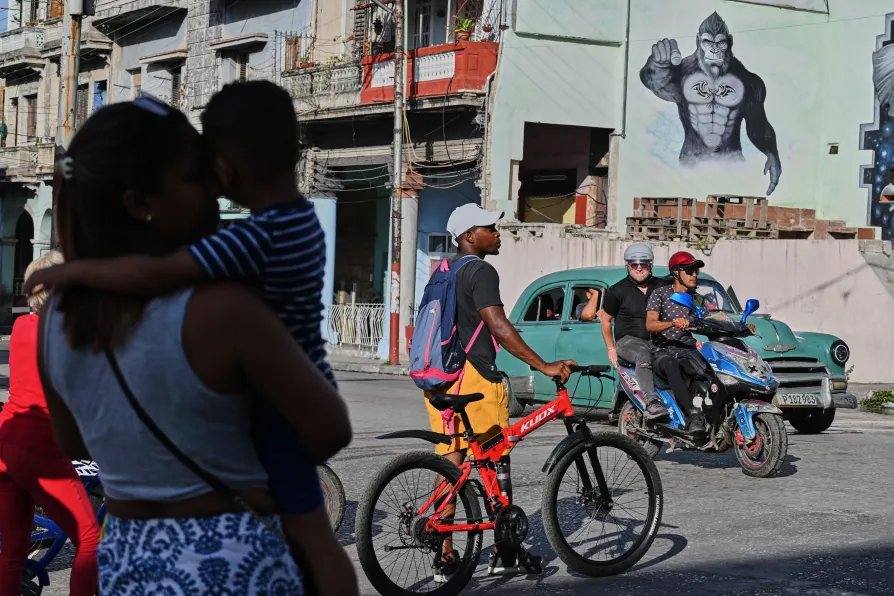
CARLOS MARTINEZ says Cuba’s achievements in the face of a criminal blockade are startling, but the island’s future if the United States succeeds in crushing it looks bleak
AMNON BROWNFIELD STEIN reports that far-right MPs who mobbed the event organised by Hadash may have helped raise awareness of the brutality of the Israeli right
Born on this day in 1931, the heroic revolutionary faces a dangerous new wave of White House aggression. We must treat his birthday as a rallying cry to resist the illegal siege of Cuba, writes ROGER McKENZIE
RAMZY BAROUD decries the rats of Gaza, the rodent and human type. Both abound as profiteering from tragedy reaches obscene levels


HEADLINES such as “World stocks fall to two-year low” that appeared in the Wall Street Journal recently have many wondering if the tepid recovery from the 2007-8 crash is finished.
Since midsummer, the Shenzhen Composite, FTSE 100, Stoxx Europe 600 and other benchmark exchanges have steadily declined, with the US Standard and Poor’s joining them over the last few weeks.
As author Akane Otani notes, “After a punishing October, major indices in Europe, Japan, Shanghai, Hong Kong, Argentina and Canada are languishing in correction territory — a drop of at least 10 per cent from a recent high. The US is teetering on the edge of joining its peers …”
Like gross domestic product (GDP) and the unemployment rate, composite equity performance is a limited measuring stick of the economy’s health, though it is favoured by popular mainstream pundits and celebrity economists. As such, all three become the grist for the bourgeois political mill. Invariably, they soon obscure more than they enlighten.
So what do the markets tell us?

Similar stories
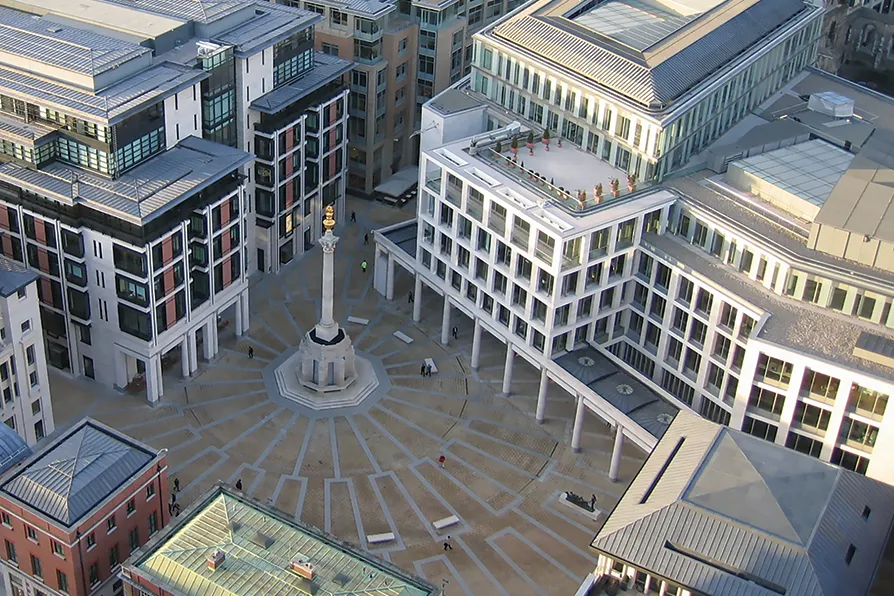
If the government really wanted to address public finances, improve living standards and begin economic recovery, it would increase its borrowing for investment, argues MICHAEL BURKE
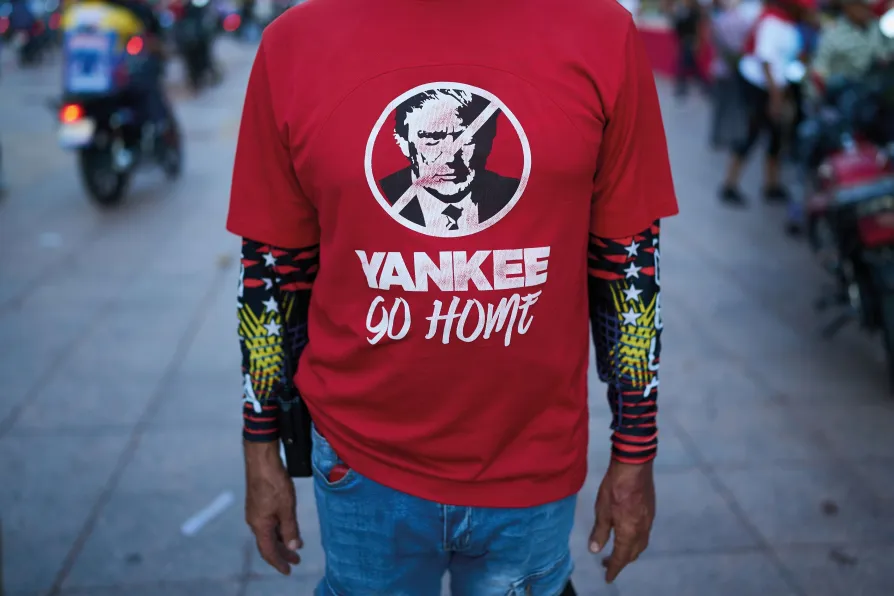
Western nations’ increasingly aggressive stance is not prompted by any increase in security threats against these countries — rather, it is caused by a desire to bring about regime changes against governments that pose a threat to the hegemony of imperialism, writes PRABHAT PATNAIK
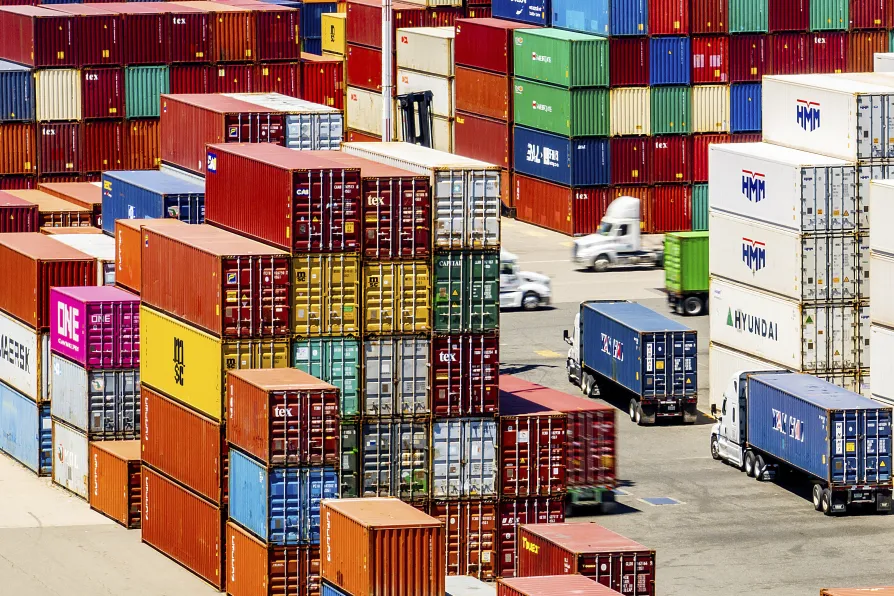
It’s the dramatic rise of China with its burgeoning economy that has put the Trump administration into a frenzy – with major implications both at home and abroad, argues MICHAEL BURKE
