Unison director of organising KEVIN LUCAS explains the Organising to Win strategy, its successes to date and key tests on the union’s horizon


 Latest editorial
Workers’ rights in globalised industry – how can we protect them?
Over the summer the Morning Star reported on a new study showing that major fashion brands were complicit in union-busting by Third World suppliers in the garment industry. Editor Ben Chacko spoke to IndustriALL general secretary VALTER SANCHES to find out what trade unions can do to tackle abuses stretching across international supply chains
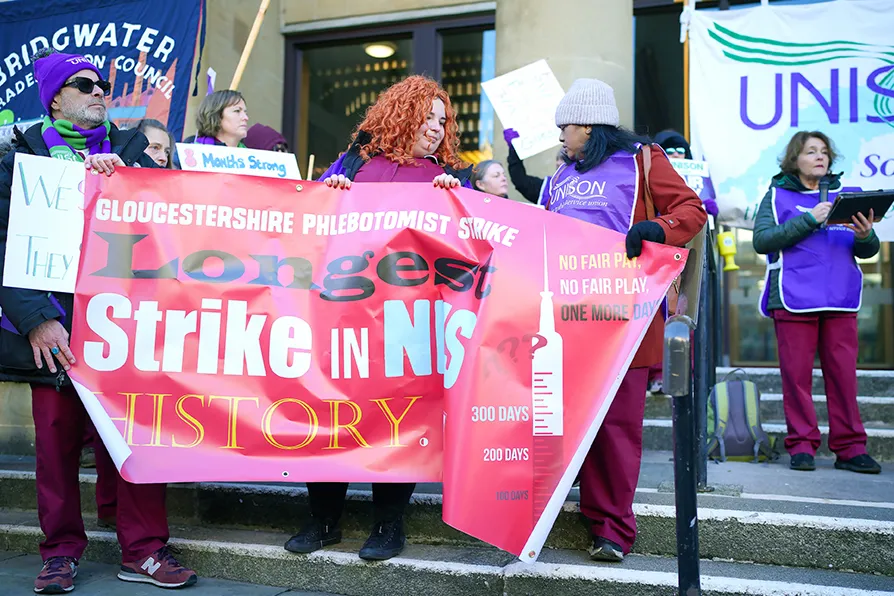
Young workers do want to get involved in Unison, and where that is enabled we see growth in workplace power, argue Unison North West Young Members co-chairs ZAIHERA CHAUDHRY and IAN CAULFIELD
British military spending is among the highest in the world, diverts scarce resources from far better causes and fuels international conflict. It’s time we made different choices, argues LIZ PAYNE
Trade unions, trades councils and community organisations must work together to build lasting solidarity and resistance to the far right, argues DREW GILCHRIST
Animal metaphors are testament to delight in the non-human world and what we hope and wish for human freedom, argue ROX MIDDLETON, LIAM SHAW and MIRIAM GAUNTLETT"
Economists estimate extreme poverty could be drastically reduced for a fraction of global defence spending, yet military budgets continue to expand year on year, says JON TRICKETT MP, ahead of the Stop the War International Conference on Saturday


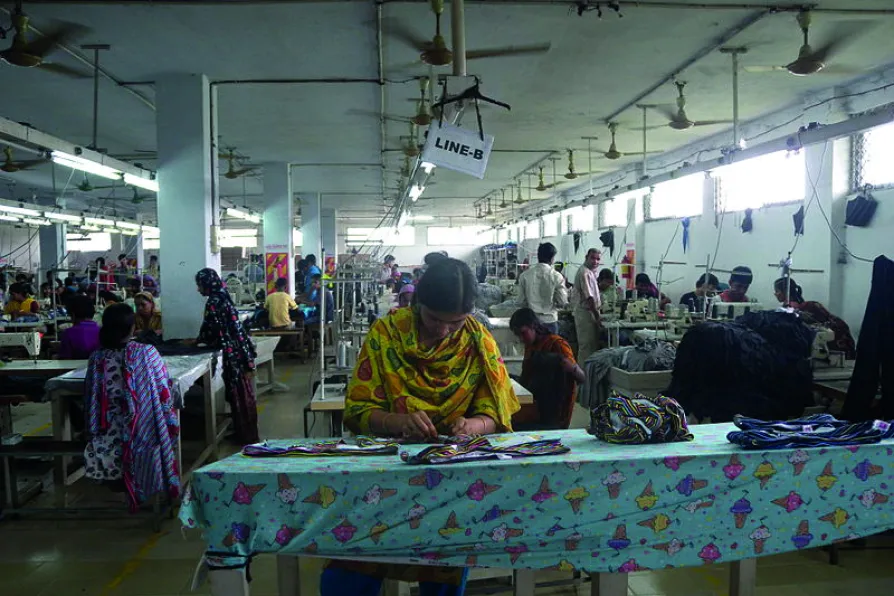
THE Covid-19 crisis and the lockdowns imposed as a result hit the garment industry hard, causing order cancellations and job losses in producer countries.
What can trade unions do to press brands to shield suppliers from the risk of a sudden loss of income that they pass onto their workers?
“This problem emerged early in the pandemic. In April many brands endorsed a call to action, a tripartite initiative led by the International Labour Organisation (ILO) with a commitment by brands to pay for finished goods and goods in production.
“Brands that haven’t endorsed the call should be pressed to do so,” Sanches says.

Similar stories
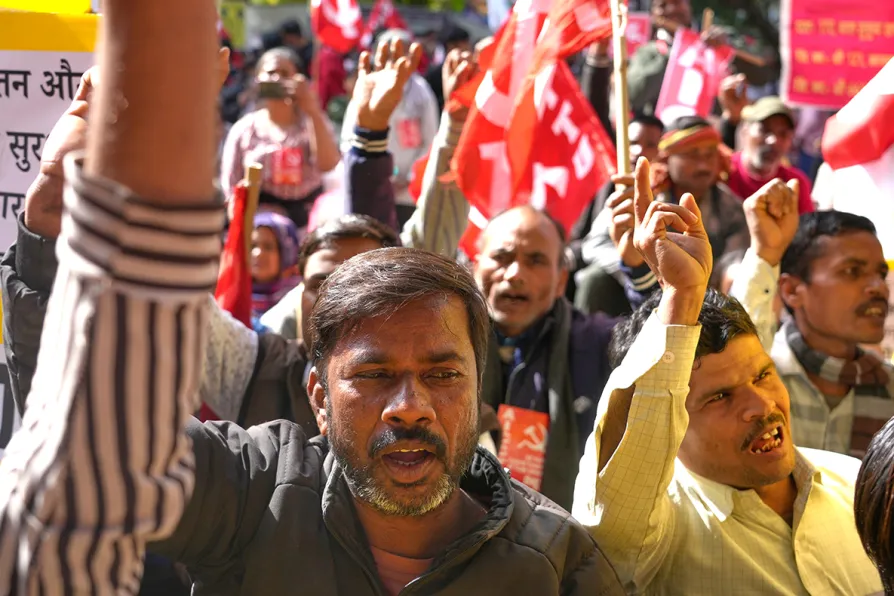
The biggest strike in global history is a template for our future. The silence tells you all you need to know, writes CLAUDIA WEBBE
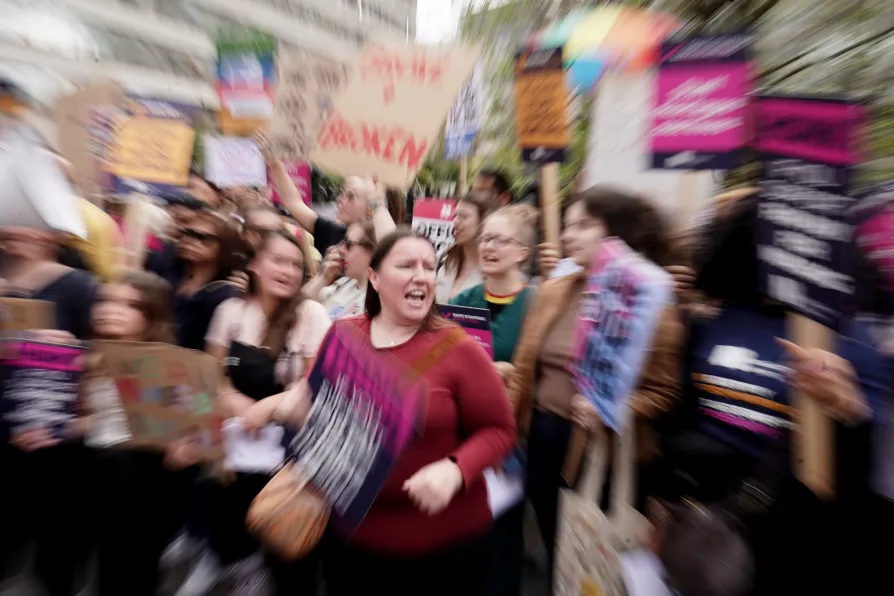
The Bill addresses some exploitation but leaves trade unions heavily regulated, most workers without collective bargaining coverage, and fails to tackle the balance of power that enables constant mutation of bad practice, write KEITH EWING and LORD JOHN HENDY KC

Ben Chacko talks to RMT leader EDDIE DEMPSEY about how the key to fixing broken Britain lies in collective sectoral bargaining, restoring unions’ ability to take solidarity strike action and bringing about the much-vaunted ‘wave of insourcing’
It is only trade union power at work that will materially improve the lot of working people as a class but without sector-wide collective bargaining and a right to take sympathetic strike action, we are hamstrung in the fight to tilt back the balance of power, argues ADRIAN WEIR