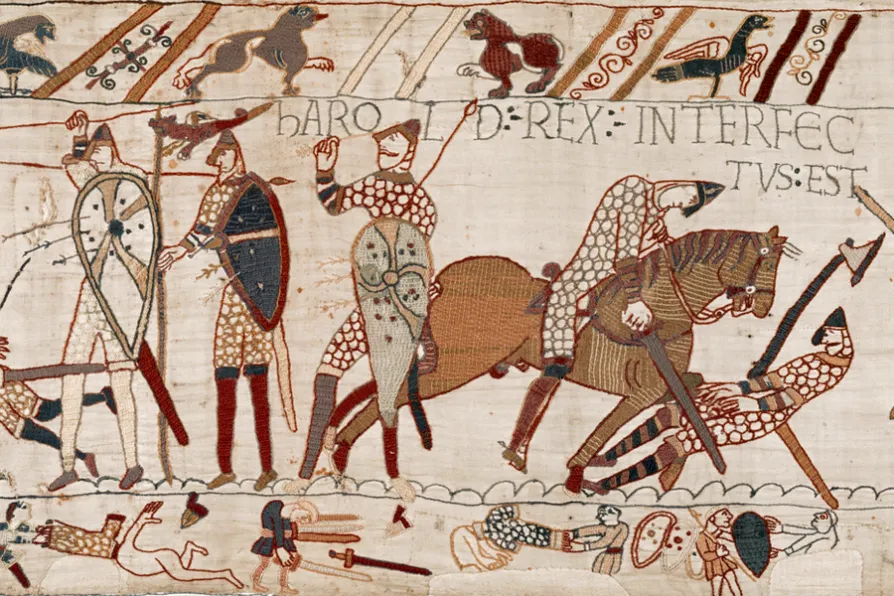
STEPHANIE BROWN draws attention to the hidden labour of the female embroiderers, and how a 19th century replica made no such error


 Latest editorial
Frantz Fanon and the mestizo novel
ANGUS REID deconstructs a popular contemporary novel aimed at a ‘queer’ young adult readership
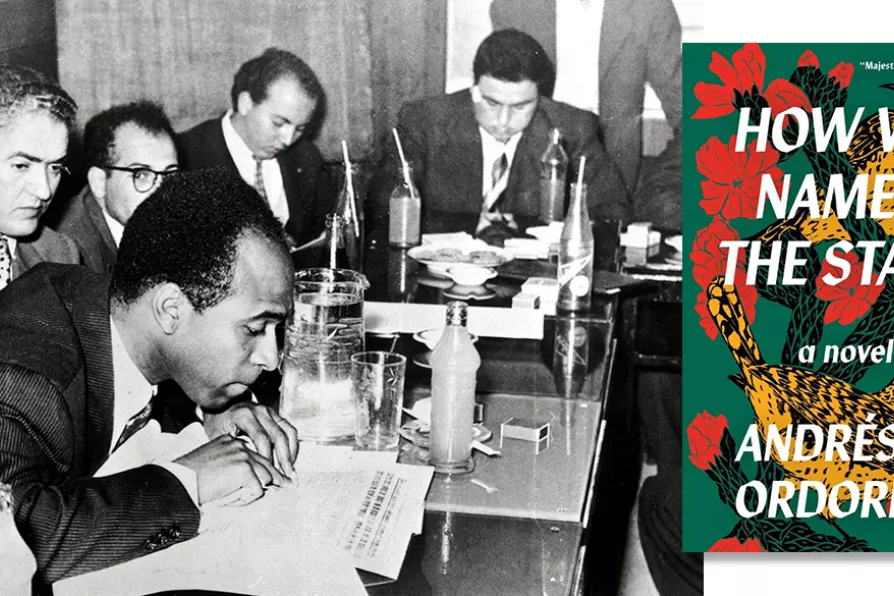 Frantz Fanon at a press conference during a writers' conference in Tunis, 1959
[Public Domain]
Frantz Fanon at a press conference during a writers' conference in Tunis, 1959
[Public Domain]
MIK SABIERS revels in a band that ploughs an idiosyncratic furrow of expletive laden, guitar-driven alt rock
ANDY HEDGECOCK, MARIA DUARTE and ANGUS REID review Synthetic Sincerity, Our Hero, Balthazar, Heartstopper Forever, and A Year In London
The bard invites readers to a gig, raps for Clacton, and lays out the Burnham-Hurzeler conundrum
RON JACOBS recommends an important book that enhances the oppositional theories put forth by Fanon and, in doing so, remakes psychology itself
JAN WOOLF relishes an extensive history of our long relationship to trees in Britain that underlines the current emergency
DIANE WATT argues that while evidence of sex is not there, a 16th‑century lesbian poet could be Scotland’s answer to Gentleman Jack


EVEN if Andres Ordorica’s Young Adult coming-out novel How We Named The Stars (Saraband, £10.99) didn’t mention Frantz Fanon, his shadow would fall across it.
It is a subjective account — like that template for YA fiction, Salinger’s The Catcher in the Rye — that describes a 19-year-old Mexican American’s tragic crush on a white room-mate in his first year at university. His parents are first generation Mexican immigrants, but his culture and language is entirely that of the contemporary US.
He is “brown,” but his crush is an amalgam of gay white stereotypes: “washboard” abs, square chin, blond hair, blue eyes, a “gazelle” in Nike sweatpants and Timberland trainers — less a person, in other words, than a poster and a clothes rack. This “white” object of desire is both idealised and commodified, a blank cipher into which, it is presumed, the adolescent gay reader, white or otherwise, can project their own desires and fantasies.

Similar stories
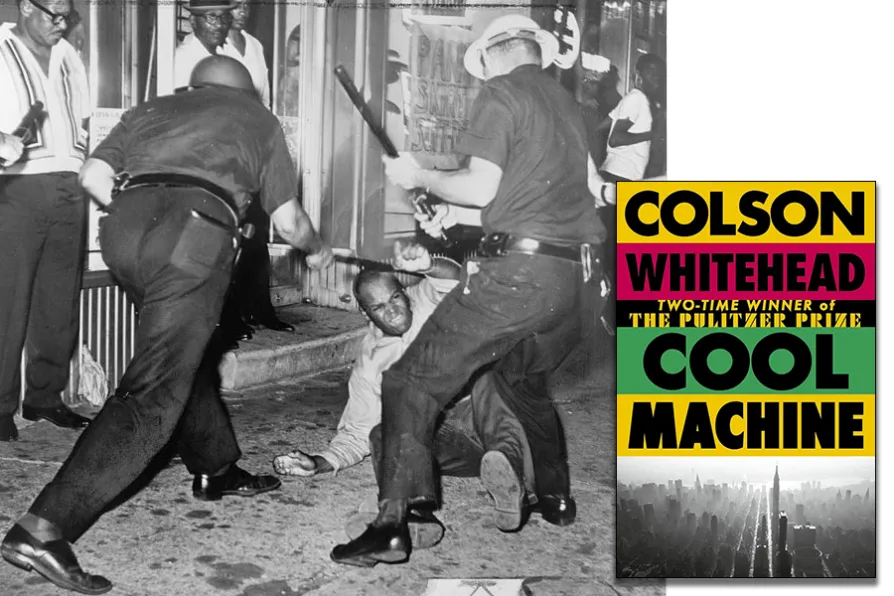
DOUGLAS FIELD relishes the hard-boiled language, satire and humour of the third and last of the Harlem trilogy
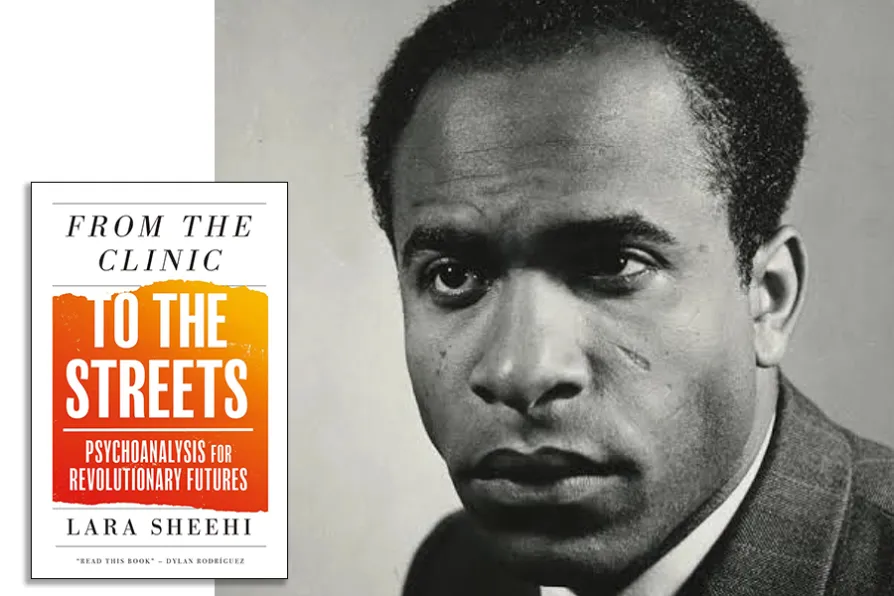
RON JACOBS recommends an important book that enhances the oppositional theories put forth by Fanon and, in doing so, remakes psychology itself
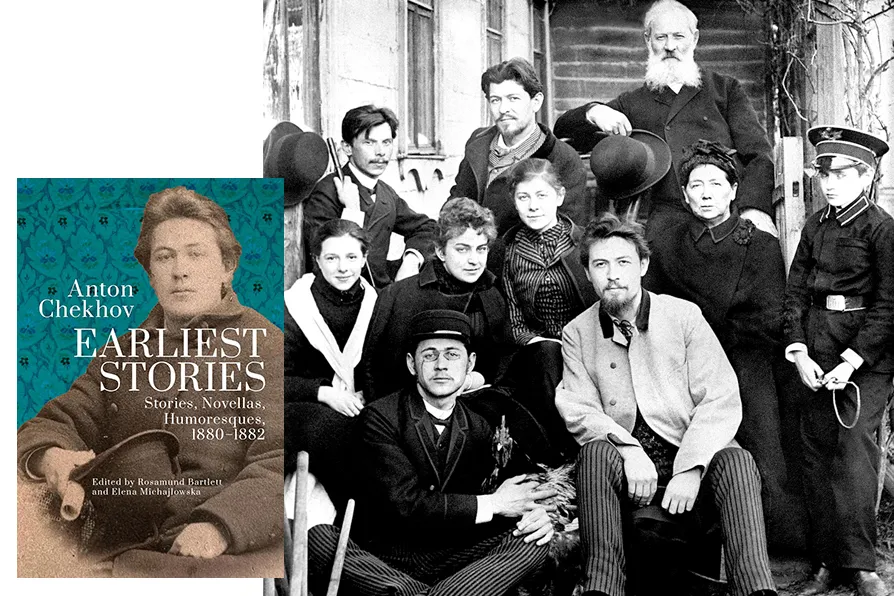
KEN COCKBURN guides us through a survey of Chekov’s early short fiction, and the groundwork it laid for his later masterpieces
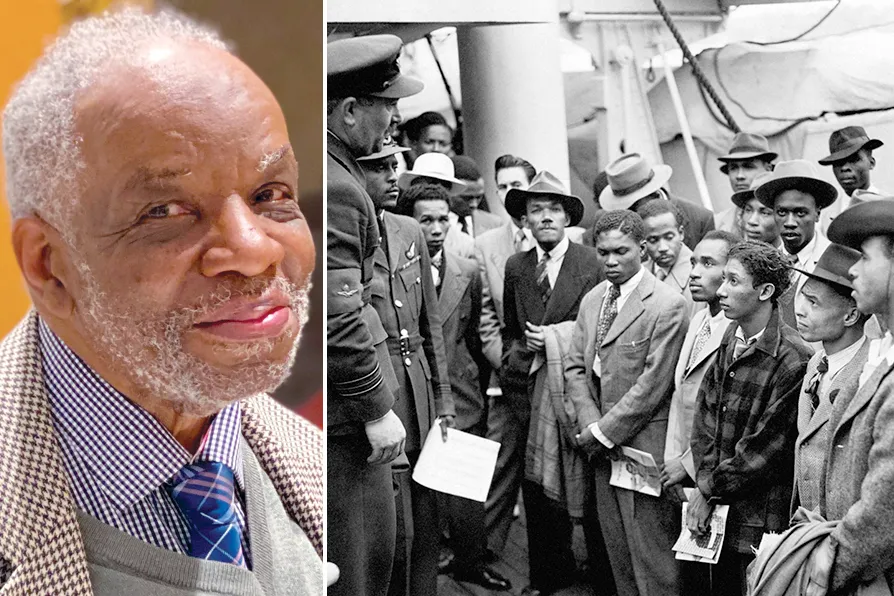
1943-2025: How one man’s unfinished work reveals the lethal lie of ‘colour-blind’ medicine