

 Latest editorial
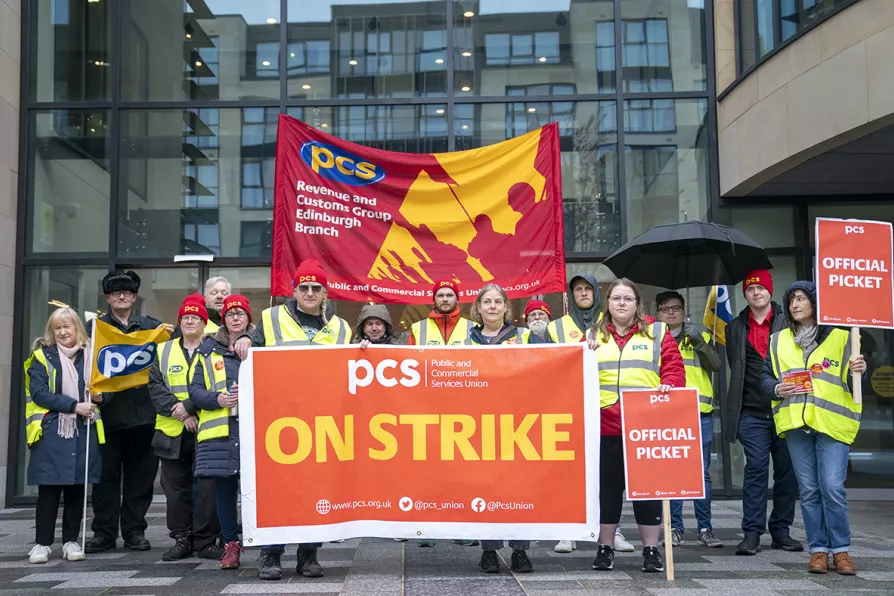 Members of the Public and Commercial Services union (PCS) on the picket line outside HMRC Queen Elizabeth House in Edinburgh, as civil servants in 132 Government departments walk out in a long-running dispute over pay, jobs and conditions, March 16, 2023




A NEW report on pay review bodies (PRBs) suggests they have become a “political Trojan horse” for governments to undermine collective bargaining and degrade wages.
The Institute of Employment Rights (IER) launched its report “Pay review bodies: their past and their future” alongside trade union leaders in Westminster on Thursday evening.
Written by Dr Andrew Moretta in collaboration with several unions, the report highlights how over time, successive governments have exerted influence over PRBs, turning their recommendations into mere options for the government to accept or ignore as they see fit.

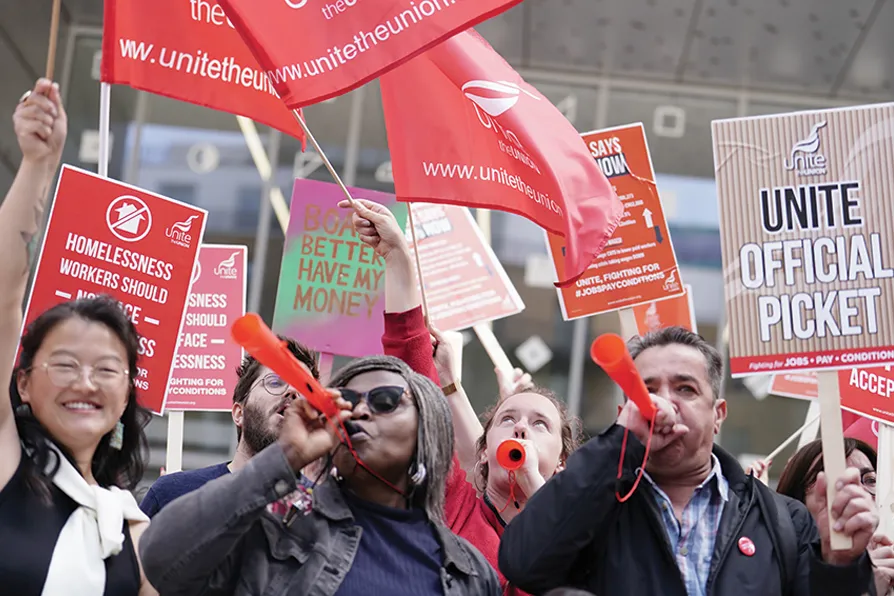
The unions are unhappy with the Employment Rights Act 2025 and with good reason. KEITH EWING and Lord JOHN HENDY KC take a close look at why the Bill promised more than it delivered


Ben Chacko talks to RMT leader EDDIE DEMPSEY about how the key to fixing broken Britain lies in collective sectoral bargaining, restoring unions’ ability to take solidarity strike action and bringing about the much-vaunted ‘wave of insourcing’
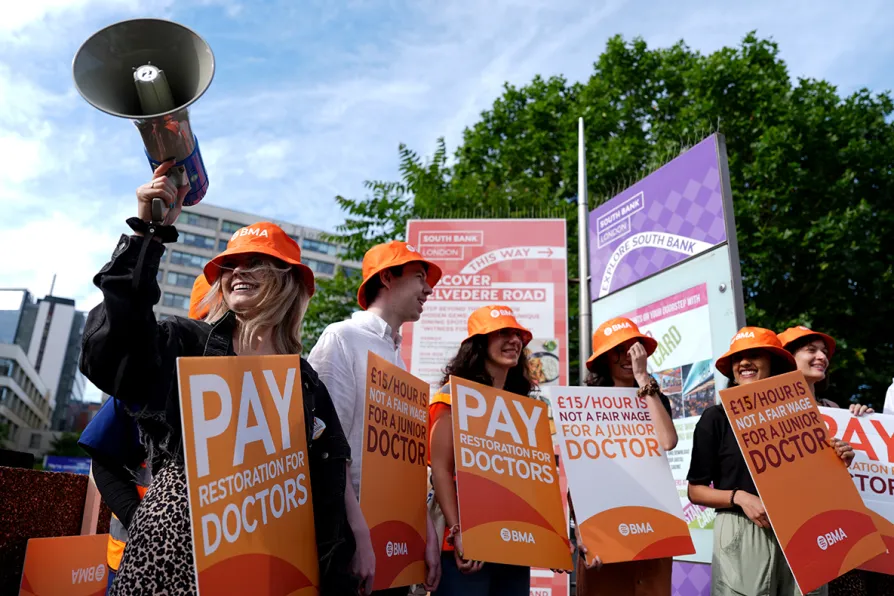
It is only trade union power at work that will materially improve the lot of working people as a class but without sector-wide collective bargaining and a right to take sympathetic strike action, we are hamstrung in the fight to tilt back the balance of power, argues ADRIAN WEIR