In the wake of Ann Widdecombe’s murder, JOHN GREEN wonders whether the government will really get to grips with the root cause of these attacks on our MPs


 Latest editorial
 The benefits of co-operatives and co-operatised models of ownership offer a very real alternative to corporate buyouts and the lack of rootedness that so often features in the Welsh economy. These benefits are well-documented and directly address some of the most pressing challenges confronting Wales.
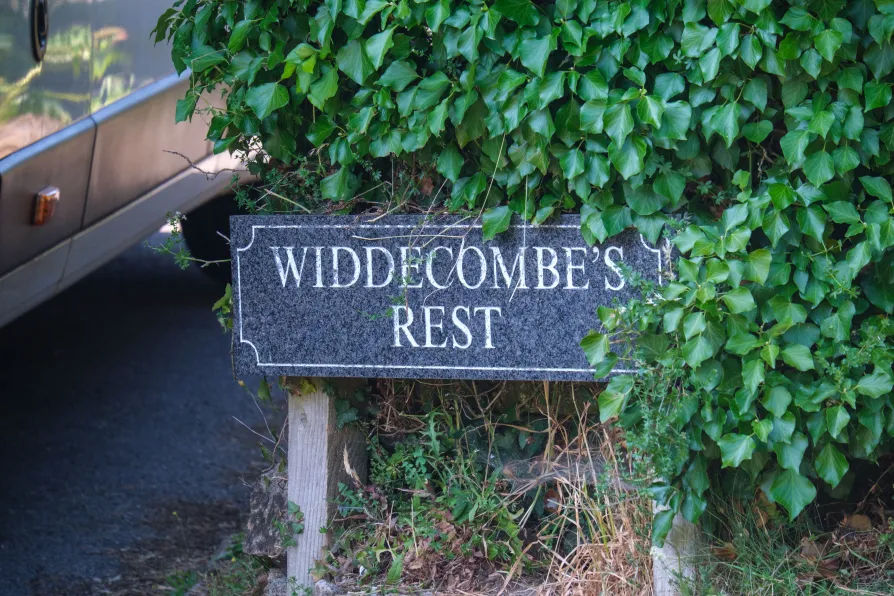
In the wake of Ann Widdecombe’s murder, JOHN GREEN wonders whether the government will really get to grips with the root cause of these attacks on our MPs
Despite the screeching from the right-wing media, Burnham’s speech showed that far from being stuck in the past — he’s learning from it, says Morning Star editor BEN CHACKO
Nature as well as society works dialectically, asserts the Marx Memorial Library and Workers’ School
Rising temperatures and human activity are making life far harder for these vital pollinators. ALEX DITTRICH explains
Lesbians and Gays Support the Miners co-founder MIKE JACKSON talks to Matt Kerr about the enduring power of Pride, protest and trade unionism
Behind the language of military strategy is a confrontation that risks drawing the wider Middle East into war, says STEVE BISHOP



THROUGHOUT this year, witnessing the Economy Minister appearing before the Senedd to announce job losses has become a worryingly frequent occurrence. With increasing regularity, he expresses his remorse and condolences, offering warm words and sympathies — but these are no substitute for concrete solutions.
In 2023 alone, we have seen employer after employer close their doors or speak of jobs at risk: more than 700 jobs lost on Ynys Mon after 2 Sisters Food Group announced it would be closing its poultry plant; Avara Foods in Abergavenny, 400 job losses; Tillery Valley Foods in Blaenau Gwent, 250 jobs lost; Zimmer Biomet in my home county of Bridgend, 540 jobs currently at risk, as are 500 in UK Windows and Doors in the Rhondda. A reported figure of approximately 3,000 at-risk jobs in Tata’s steelworks in Port Talbot still looms.
Time after time, we’re told that the administrators are in control of the situation, and how they seek to gain value is something out of the hands of the Welsh government. This is a position which leaves workers, the value creators in our society, without any long-term clarity.

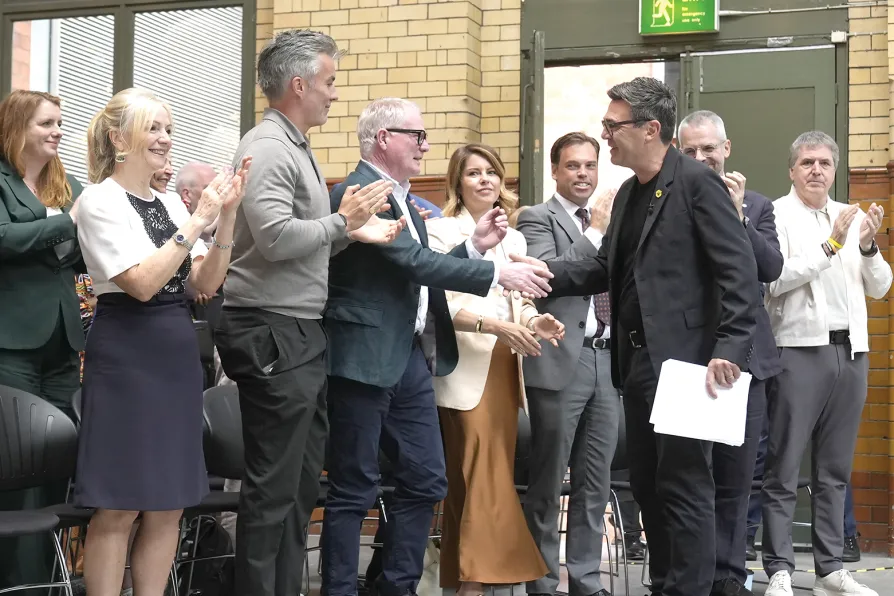
Wales reporter DAVID NICHOLSON looks at the political scene as budget rows take centre-stage and Welsh Labour gains a new leader
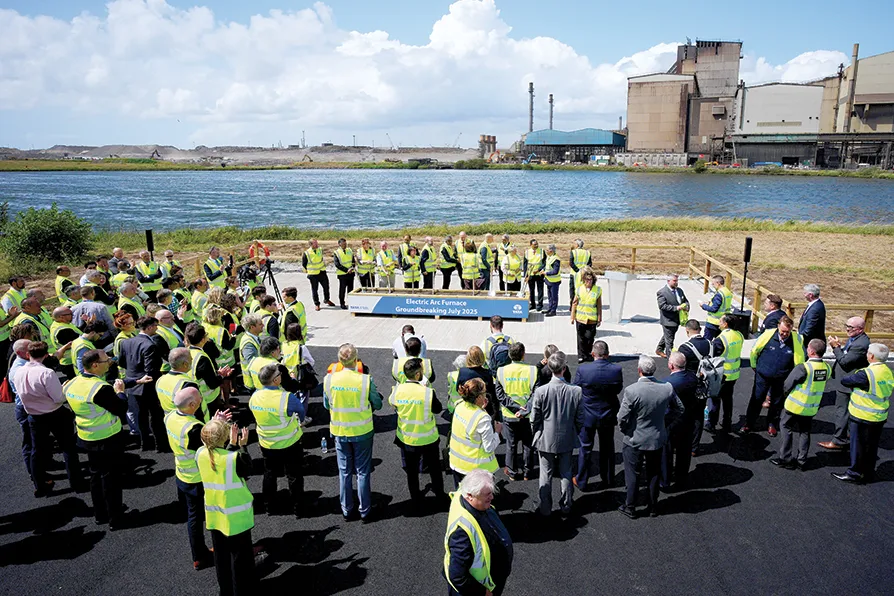
LUKE FLETCHER outlines Plaid Cymru bold plans for wide-ranging policy consultations with trade unions in Wales
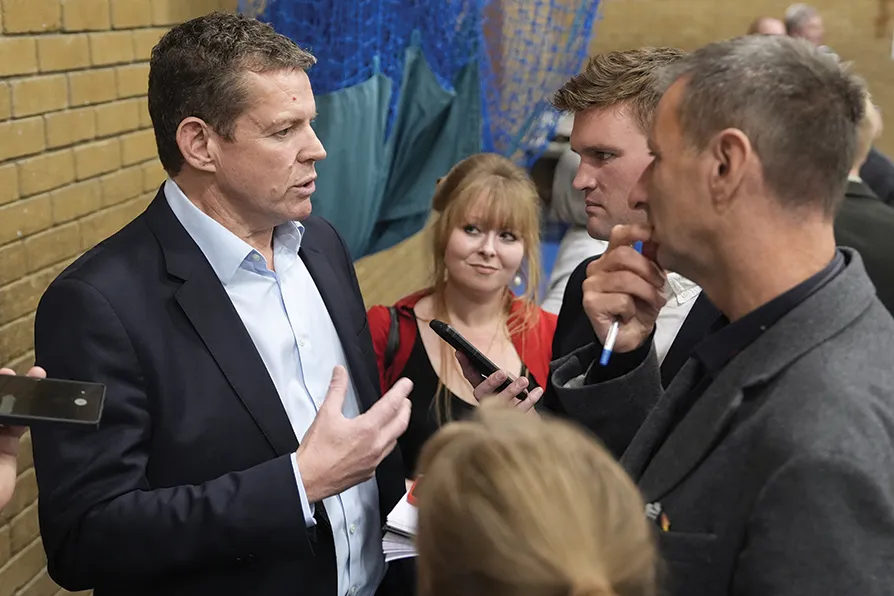
In the first of a series of interviews with leaders of progressive parties in Wales ahead of the May 7 Senedd election DAVID NICHOLSON talks to Plaid Cymru leader Rhun ap Iorwerth

We need a massive change in direction to renew a crumbling health service — that’s why Plaid Cymru has an ambitious plan to recentre primary care by recruiting 500 additional GPs and opening six new elective care hubs across Wales, writes MABON AP GWYNFOR