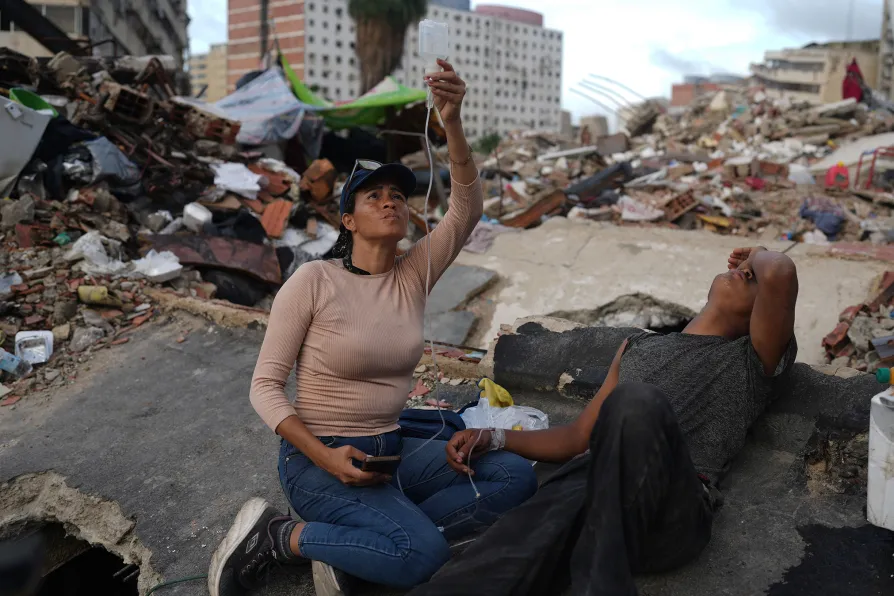
The campaign against the Bank of England’s ongoing theft of Venezuelan gold is gaining support across the labour movement and beyond, writes MATT WILLGRESS


 Latest editorial

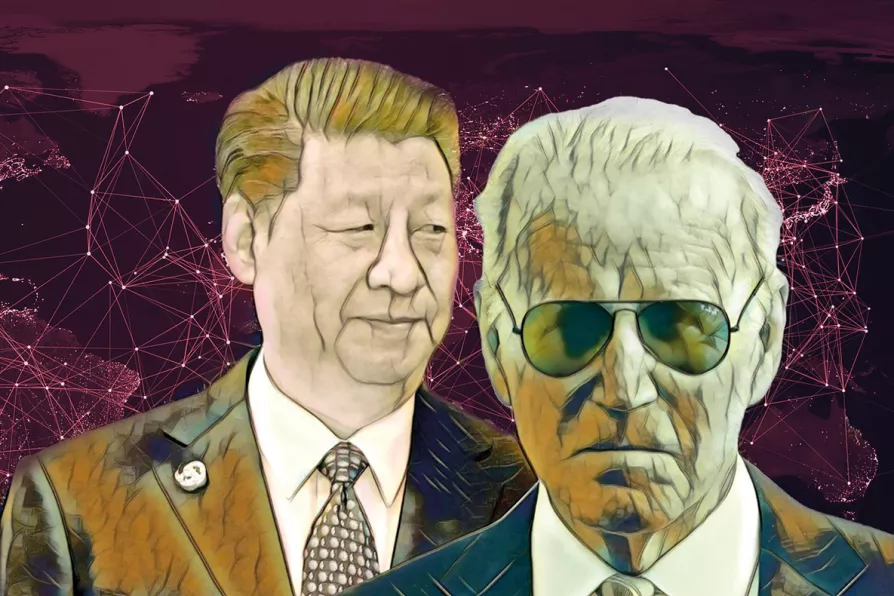
The trajectory of war: Iraq then, China now?
JENNY CLEGG looks at how the US has learned from the resistance to the Iraq debacle in its preparations for a new and far more terrifying confrontation with its greatest modern rival
The new Prime Minister must abandon decades of automatic support for US foreign policy, which makes us all less safe, argues DIANE ABBOTT MP
Claims that Nicaragua has abolished elections followed a headline that stripped Daniel Ortega’s remarks of their historical and political context. The full speech tells a different story, says BECCA RENK FOSTER
Media Lens at 25: David Cromwell and David Edwards reflect on a quarter-century of media criticism, explaining why independent journalism is more important than ever
MAT COWARD introduces some of the electoral oddballs of the political fringe who remain one of the liveliest features of British democracy, despite efforts to abolish them
by Weyman Bennett and Maz’s family



BACK in September 2002, Dan Plesch wrote an article in the Guardian titled Iraq first, Iran and China next. Less than a year earlier, George W Bush had put China on a nuclear hit list along with Russia, Iran, Iraq, Syria and North Korea. Twenty years on, it seems China’s turn has arrived, now identified as the US’s most consequential geopolitical challenge.
Iraq was a turning point for the world as Bush “seized the unipolar moment.” Shock and awe and full-spectrum dominance in air, land, sea and space presaged a new militarism to bolster US global supremacy.
Blatantly displacing the UN on the pretext of “humanitarian intervention,” the US found a new means of rallying allies in a “coalition of the willing,” embedding key Nato partners into “out of area” operations.

Similar stories
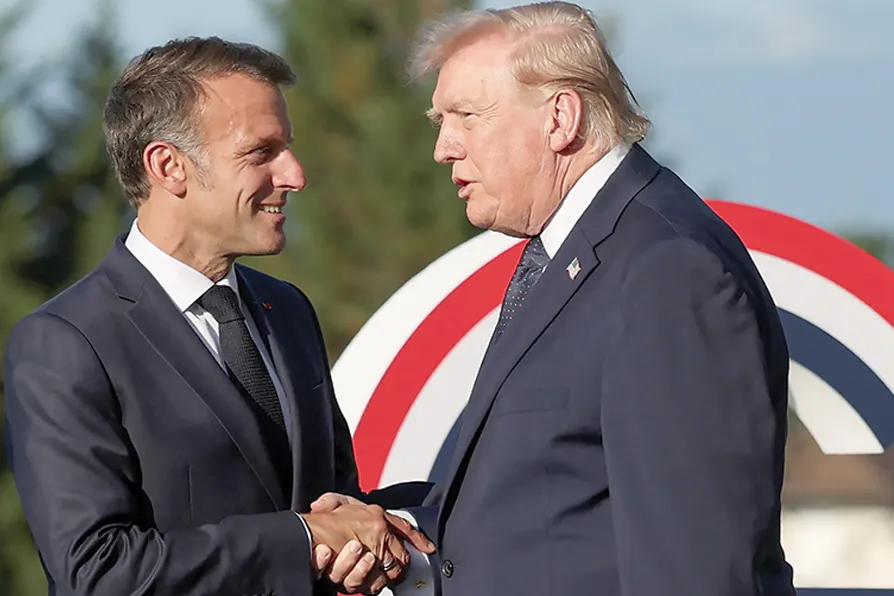
While millions face poverty and public services are squeezed, France is committing billions to defence spending and weapons production, in a dangerous shift towards permanent preparation for war, says CONOR BOLLINS
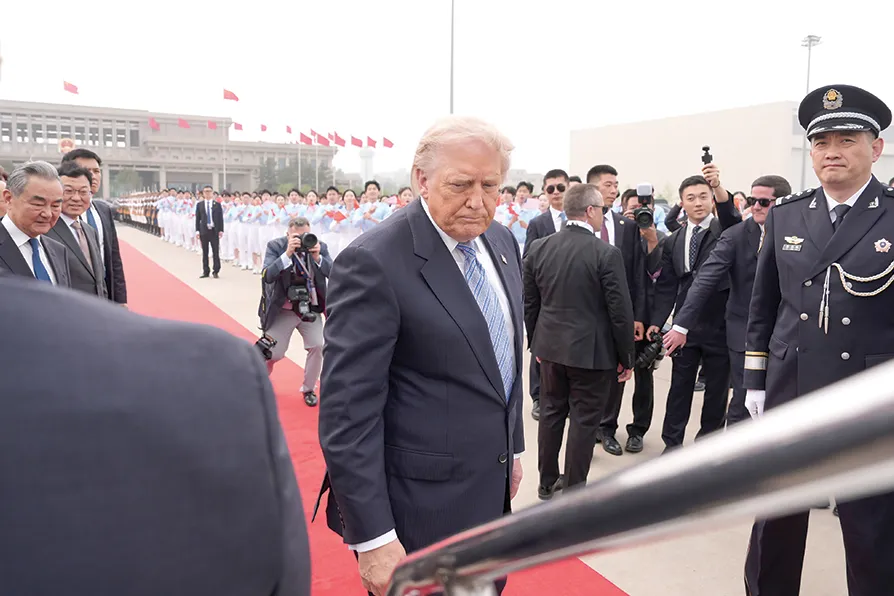
JENNY CLEGG looks at the key points that defined the China-US relationship, for now
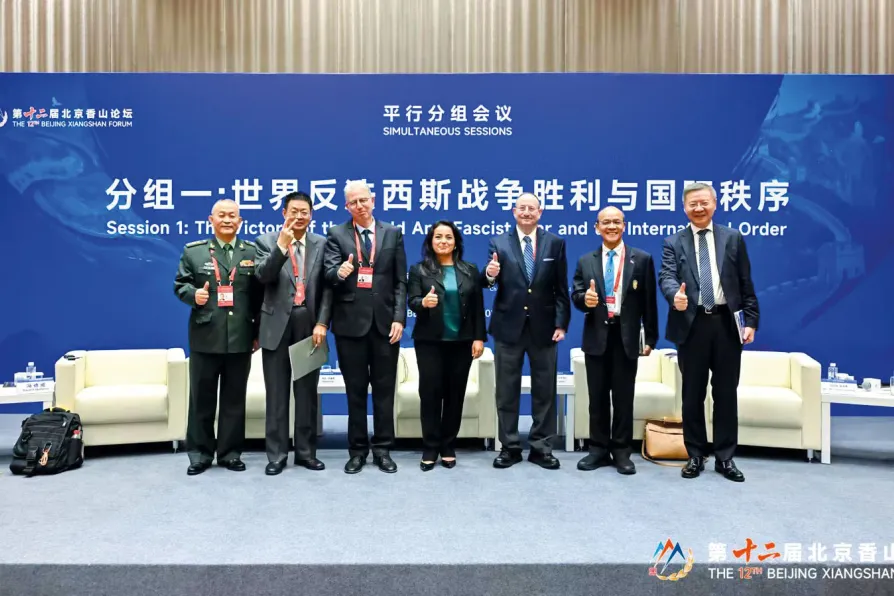
In a speech to the 12th Xiangshan Forum in Beijing, SEVIM DAGDELEN warns of a growing historical revisionism to whitewash Germany and Japan’s role in WWII as part of a return to a cold war strategy from the West — but multipolarity will win out
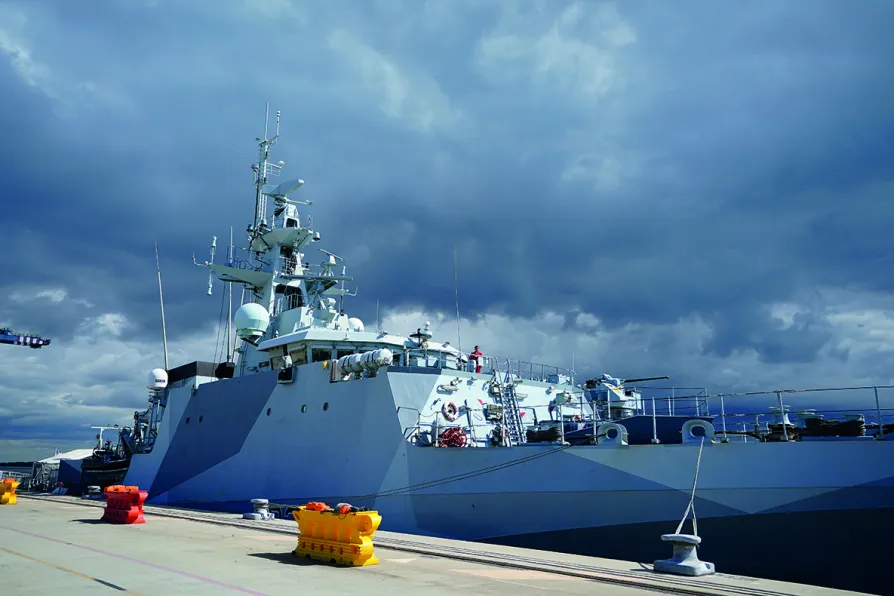
From 35,000 troops in Talisman Sabre war games to HMS Spey provocations in the Taiwan Strait, Labour continues Tory militarisation — all while claiming to uphold ‘one China’ diplomatic agreements from 1972, reports KENNY COYLE