Special report by PEOPLE’S WORLD


 Latest editorial
Stalingrad – 80 years on
JOHN ELLISON looks at the turning point of the second world war, when the Red Army overcame the odds to turn back the Nazi tide – to the shock of the Western powers
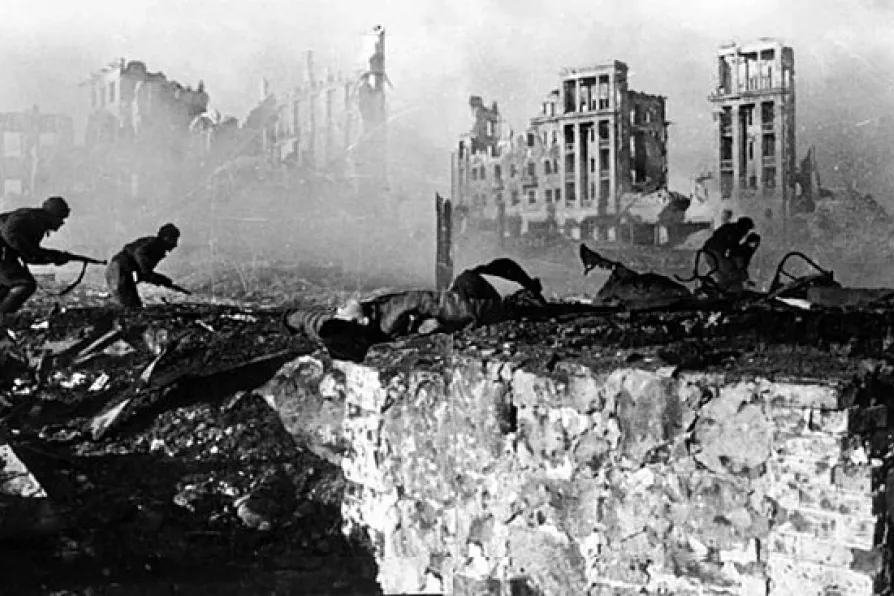 Soviet soldiers on the attack in Stalingrad, 1943

NICK WRIGHT considers how the isolation of Israel and a new film on the controversial Italian communist leader are creating new reference points for Italy’s left
CARLOS MARTINEZ says Cuba’s achievements in the face of a criminal blockade are startling, but the island’s future if the United States succeeds in crushing it looks bleak
AMNON BROWNFIELD STEIN reports that far-right MPs who mobbed the event organised by Hadash may have helped raise awareness of the brutality of the Israeli right
Born on this day in 1931, the heroic revolutionary faces a dangerous new wave of White House aggression. We must treat his birthday as a rallying cry to resist the illegal siege of Cuba, writes ROGER McKENZIE
RAMZY BAROUD decries the rats of Gaza, the rodent and human type. Both abound as profiteering from tragedy reaches obscene levels




EIGHTY years ago, on February 2 1943, the Soviet Union’s sustained defence of the city of Stalingrad (now Volgograd), ended with the surrender of 91,000 soldiers of the German 6th Army under General von Paulus.
The battle for the city had raged since the previous September. The figures of human losses, unpublicised, besides German prisoners of war, were, for Germany, almost 150,000 and for the Soviet Union were around half a million.
The Nazi failure to win the struggle for Stalingrad, and to advance in the south to the oil producing centres of Grozny and Baku, represented a huge setback for Hitler’s Operation Barbarossa, launched on June 22 1941.

Similar stories
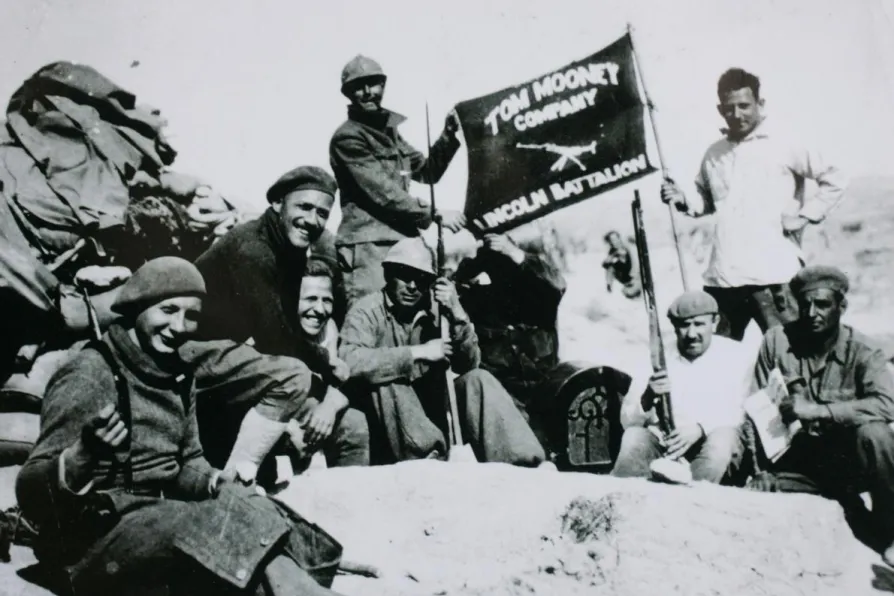
CJ ATKINS commemorates one of the most dramatic moments in working-class history
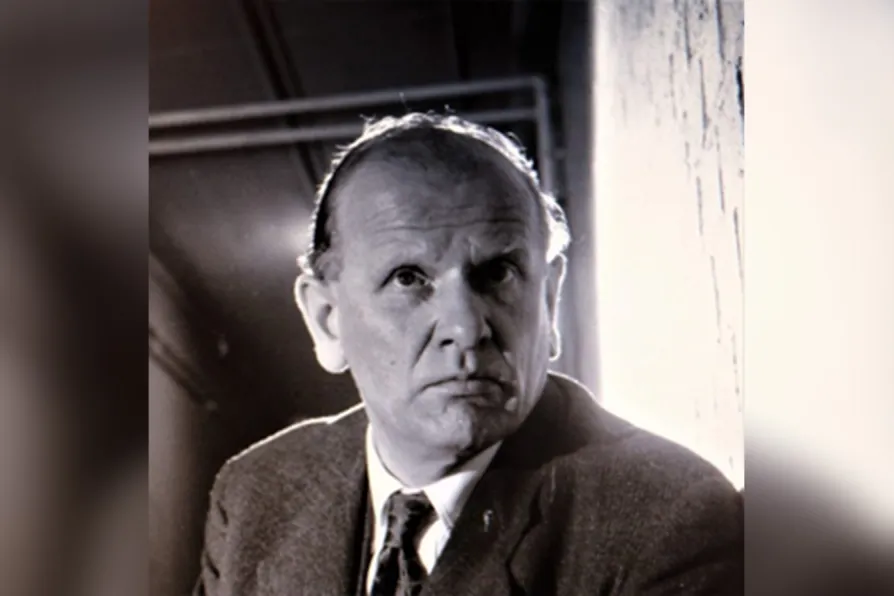
TONY FOX invites readers to come and hear the story of the remarkable Liverpudlian International Brigader Alexander Foote

In a speech to the 12th Xiangshan Forum in Beijing, SEVIM DAGDELEN warns of a growing historical revisionism to whitewash Germany and Japan’s role in WWII as part of a return to a cold war strategy from the West — but multipolarity will win out
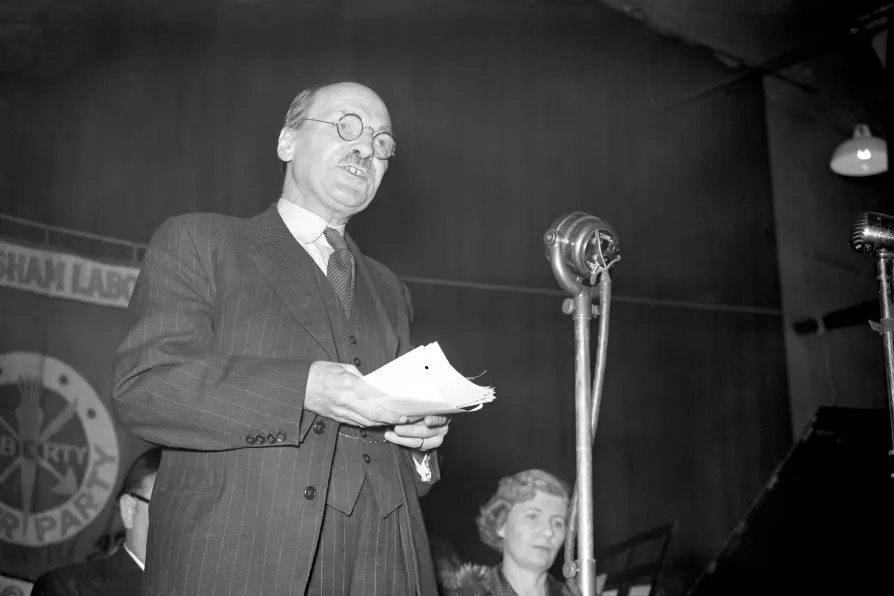
The summer of 1950 saw Labour abandon further nationalisation while escalating Korean War spending from £2.3m to £4.7m, as the government meekly accepted capitalism’s licence and became Washington’s yes-man, writes JOHN ELLISON