IAN LAVERY MP warns that decades of neoliberal policies have left former industrial communities behind — but a renewed Labour commitment to working people could change the political landscape


The central flaws of universal basic income
STEWART McGILL argues that to there is no version of this fashionable modern take on welfare payments that will work, with it either costing far too much in tax or delivering far loo little for recipients


PAOLO SANTALUCIA reports on how an Italian region defies US pressure to end a Cuban doctors programme
HENRY FOWLER outlines the GFTU’s new 2026-27 education programme and argues that investing in trade union education is essential to building worker power, developing leaders and strengthening collective action
We need a government that invests in saving lives not destroying them, argues SOPHIE BOLT
More expensive by weight than gold, saffron is surprisingly simple to grow. MAT COWARD explains
The public inquiry is the result of more than a decade of determined campaigning. Now, those who fought for justice want the full story of government involvement and police conduct to be told, says KATE FLANNERY
The Durham Miners’ Gala is a celebration of working-class culture, but also a call to action — to rebuild workers’ collective strength, says KIM JOHNSON MP



AT its most simple universal basic income (UBI) is a government programme in which every adult citizen receives a set amount of money on a regular, unconditional basis. The current range of proposals are probably best understood as a patchwork of possibilities rather than a single idea or policy, but it’s basically about giving money to solve social and economic problems.
UBI has a specious appeal and its advocates sometimes speak of it as the catholicon that will save capitalism from itself. However, some of the problems are signalled by its own advocates.
Nick Srnicek and Alex Williams in Inventing the Future, write that UBI’s establishment would allow workers to have “the option to choose whether to take a job or not (but)... if the payment isn’t high enough to let people to refuse work, UBI might push wages down and create more ‘bullshit jobs.’”

Similar stories

The future does not have to be climate chaos and social breakdown. MARC VANDEPITTE looks at the alternatives offered by the Global Justice Report, co-authored by Thomas Piketty

If the government really wanted to address public finances, improve living standards and begin economic recovery, it would increase its borrowing for investment, argues MICHAEL BURKE
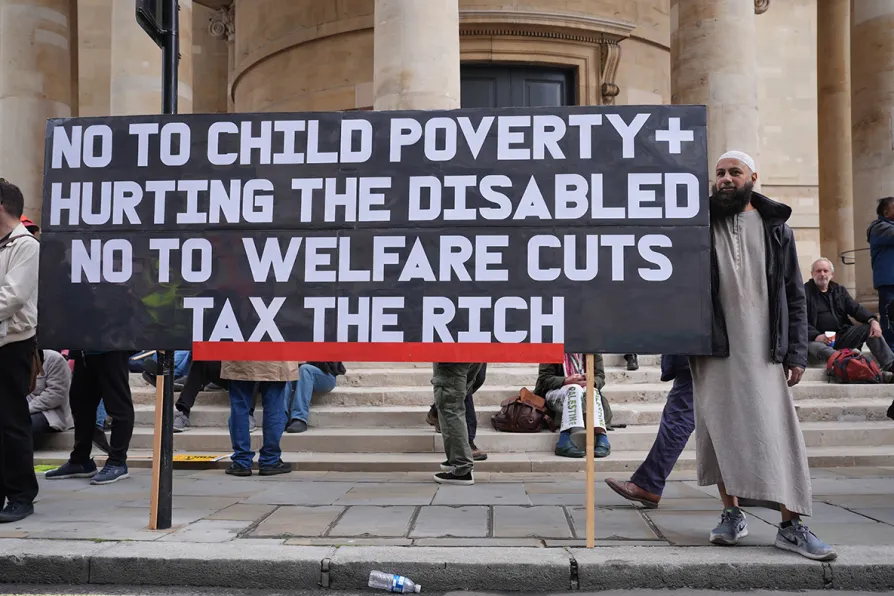
In the current climate, it is vital to bust the myths and put forward the case for a humane and decent social security system that supports people, argues FRAN HEATHCOTE

Our housing crisis isn’t an accident – it’s class war, trapping millions in poverty while landlords and billionaires profit. To solve it, we need comprehensive transformation, not mere tokenistic reform, writes BECK ROBERTSON