STEPHANIE BROWN draws attention to the hidden labour of the female embroiderers, and how a 19th century replica made no such error


 Latest editorial
Georges Seurat: The Bathers at Asnieres and A Sunday on La Grande Jatte
Class-conscious canvases from the artist who introduced scientific principles to painting
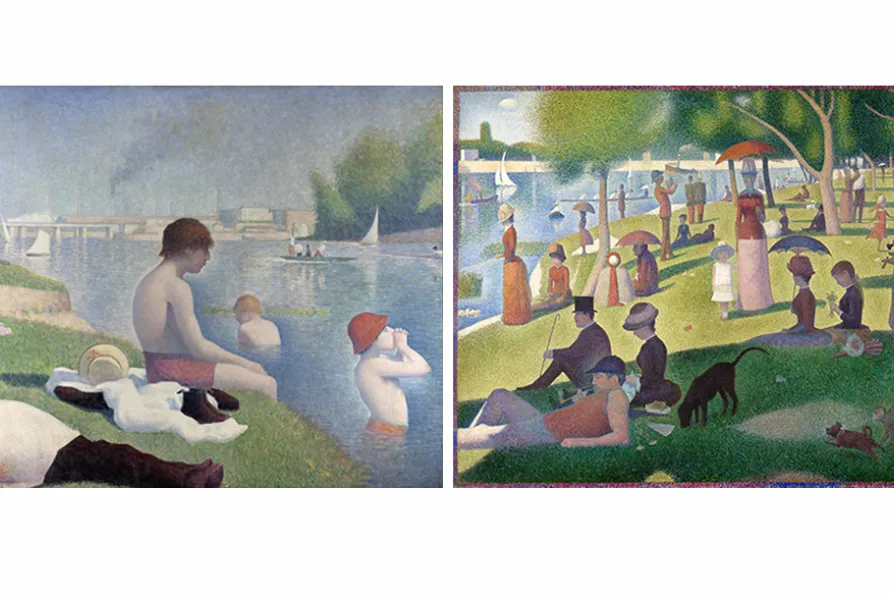 PERFECTLY POINTILLIST: (Left) The Bathers at Asnieres (1884) and (right) A Sunday on La Grande Jatte (1886)

MIK SABIERS revels in a band that ploughs an idiosyncratic furrow of expletive laden, guitar-driven alt rock
ANDY HEDGECOCK, MARIA DUARTE and ANGUS REID review Synthetic Sincerity, Our Hero, Balthazar, Heartstopper Forever, and A Year In London
The bard invites readers to a gig, raps for Clacton, and lays out the Burnham-Hurzeler conundrum
RON JACOBS recommends an important book that enhances the oppositional theories put forth by Fanon and, in doing so, remakes psychology itself
JAN WOOLF relishes an extensive history of our long relationship to trees in Britain that underlines the current emergency
DIANE WATT argues that while evidence of sex is not there, a 16th‑century lesbian poet could be Scotland’s answer to Gentleman Jack




GEORGES SEURAT’S iconic The Bathers at Asnieres (1884) and its “companion” canvas A Sunday on La Grande Jatte (1886) are probably among the best-known paintings by Impressionists.
But, unlike others, Seurat eschewed spontaneity for a meticulously scientific approach to colour and once memorably said: “Some say they see poetry in my paintings; I only see science.”
Early on, he had met and worked with chemist Michel-Eugene Chevreul, who had noticed that the perception of colour was not about the individual pigment but how the human brain processed adjoining colours.

Similar stories
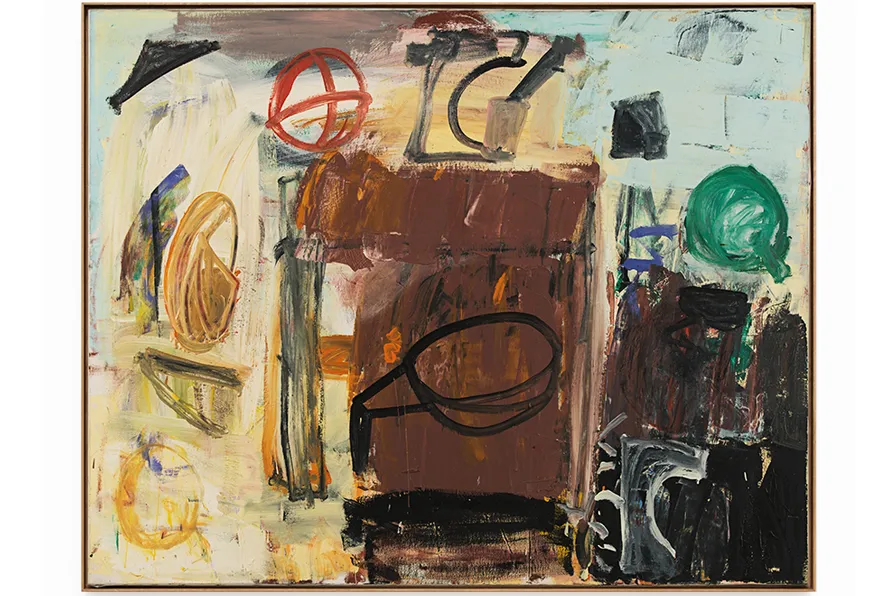
MIRANDA RICHMOND relishes the gloriously liberated art of Roy Oxlade, and traces his method back to the thinking of David Bomberg, his acknowledged teacher
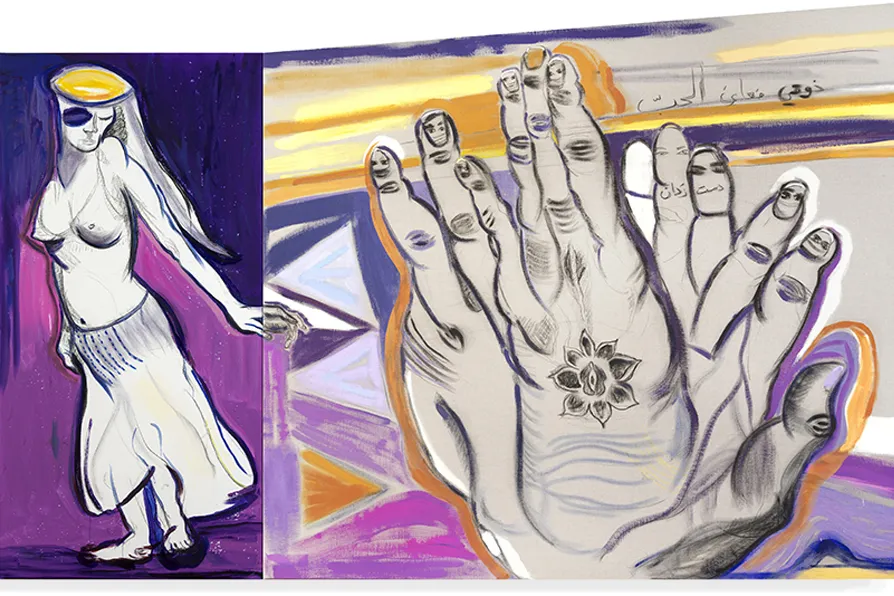
SIMON PARSONS applauds an artist who rescues and rehumanises stories of women, the victims of violence, from a feminist perspective
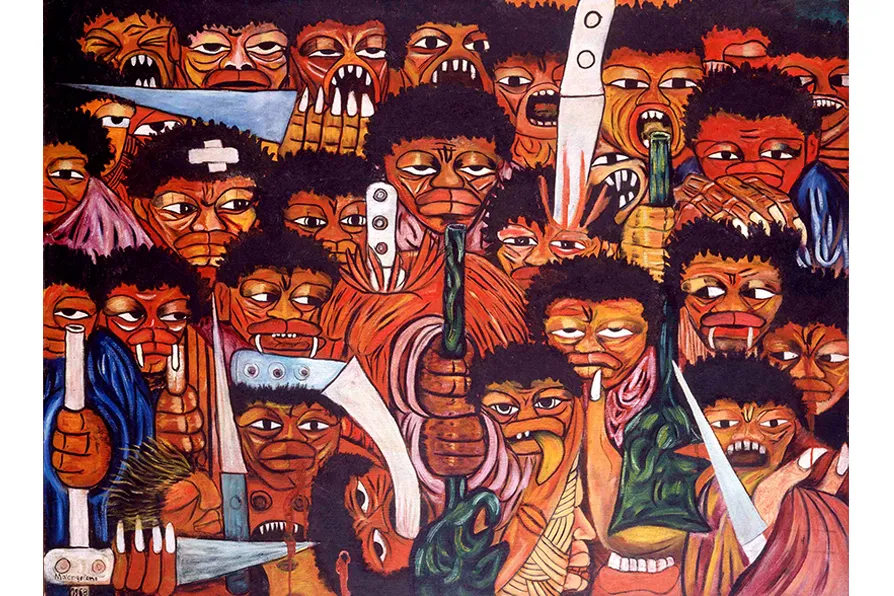
JOHN GREEN welcomes a remarkable study of Mozambique’s most renowned contemporary artist
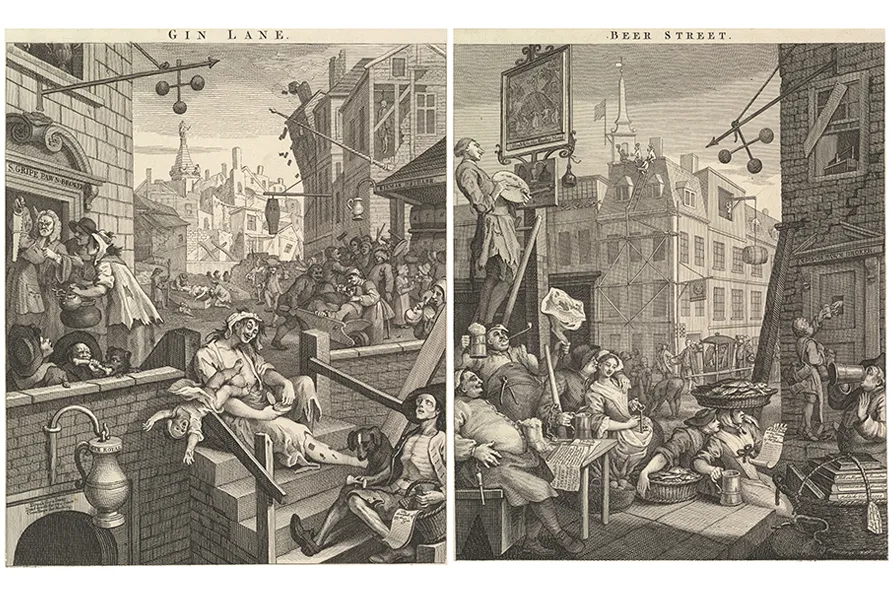
Gin Lane by William Hogarth is a critique of 18th-century London’s growing funeral trade, posits DAN O’BRIEN