STEPHANIE BROWN draws attention to the hidden labour of the female embroiderers, and how a 19th century replica made no such error


 Latest editorial
Holocaust Memorial, Judenplatz, Vienna
Concrete reminder of nazi atrocities against Jews during WWII
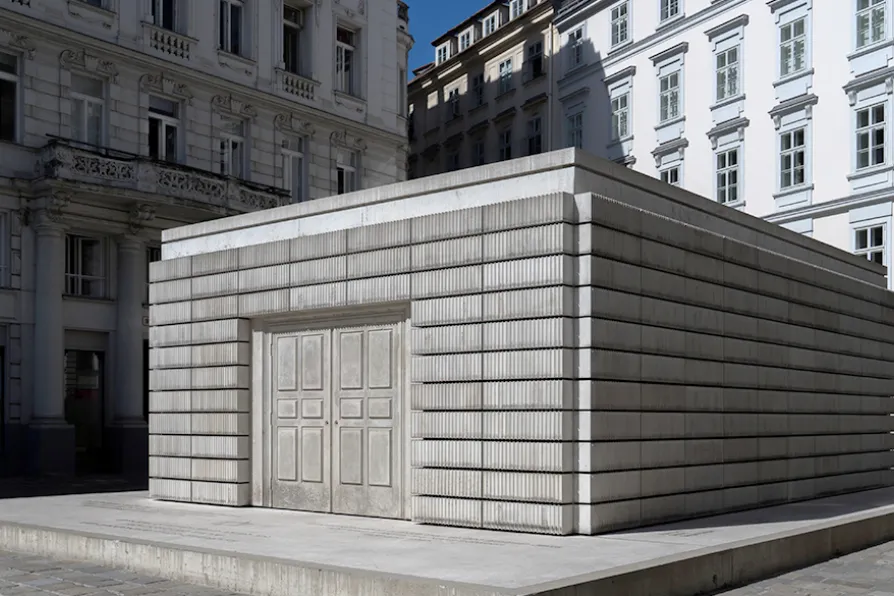 [Thomas Ledl/Creative Commons]
MIK SABIERS revels in a band that ploughs an idiosyncratic furrow of expletive laden, guitar-driven alt rock
ANDY HEDGECOCK, MARIA DUARTE and ANGUS REID review Synthetic Sincerity, Our Hero, Balthazar, Heartstopper Forever, and A Year In London
The bard invites readers to a gig, raps for Clacton, and lays out the Burnham-Hurzeler conundrum
RON JACOBS recommends an important book that enhances the oppositional theories put forth by Fanon and, in doing so, remakes psychology itself
JAN WOOLF relishes an extensive history of our long relationship to trees in Britain that underlines the current emergency
DIANE WATT argues that while evidence of sex is not there, a 16th‑century lesbian poet could be Scotland’s answer to Gentleman Jack




RIGHT in the heart of Vienna sits Judenplatz (Jewish Square), an area where Jews began to settle in about 1150.
Eight hundred lived there by 1400, including merchants, bankers and scholars. But the pogroms instigated by Duke Albrecht V in 1421, culminating in the last 200 being burned alive on a pyre, obliterated the Jewish presence for the next two centuries.
That obliteration resumed just over 500 years after Judenplatz got its name and eight months after Austria’s Anschluss (“reunification”) with Nazi Germany.

Similar stories
Poland’s anger over Ukraine’s celebration of the Nazi collaborationist UPA reflects more than historical grievance, says KENNY COYLE
On May 16 1944, Romani families in Auschwitz-Birkenau armed themselves with stones, tools, and sheer collective will, forcing the SS to retreat – leaving a legacy of defiance that speaks directly to the fascisms of today, says VICTORIA HOLMES
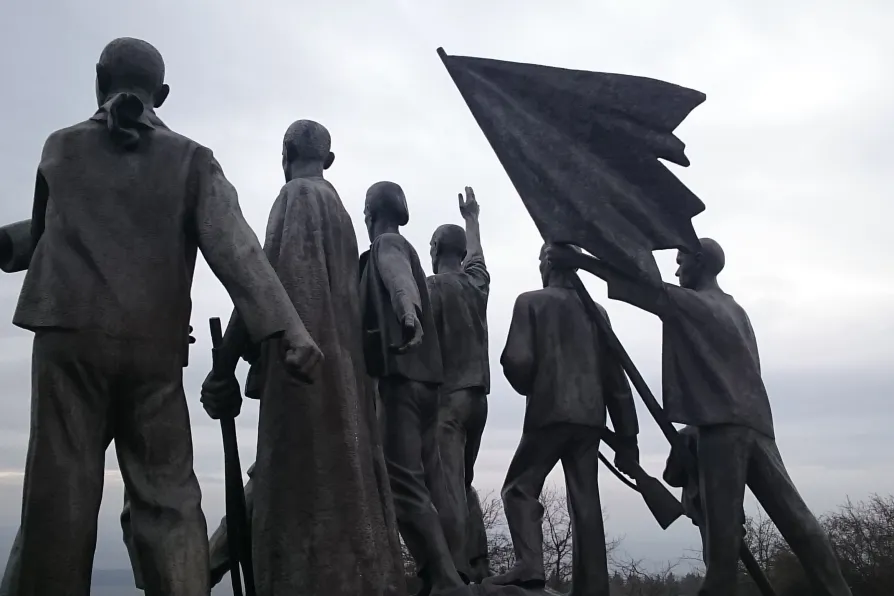
The decision highlights the tension between freedom of expression and the state’s role in shaping historical memory at former concentration camps, reports LEON WYSTRYCHOWSKI