Unison director of organising KEVIN LUCAS explains the Organising to Win strategy, its successes to date and key tests on the union’s horizon


 Latest editorial
Automation and closures are challenges – but failure does not have to be inevitable
SHARON GRAHAM of Unite the Union explains how rebuilding the shop stewards’ movement will help develop meaningful industrial power in an age of growing jobs uncertainty
 A robot appears before a parliamentary select committee last year
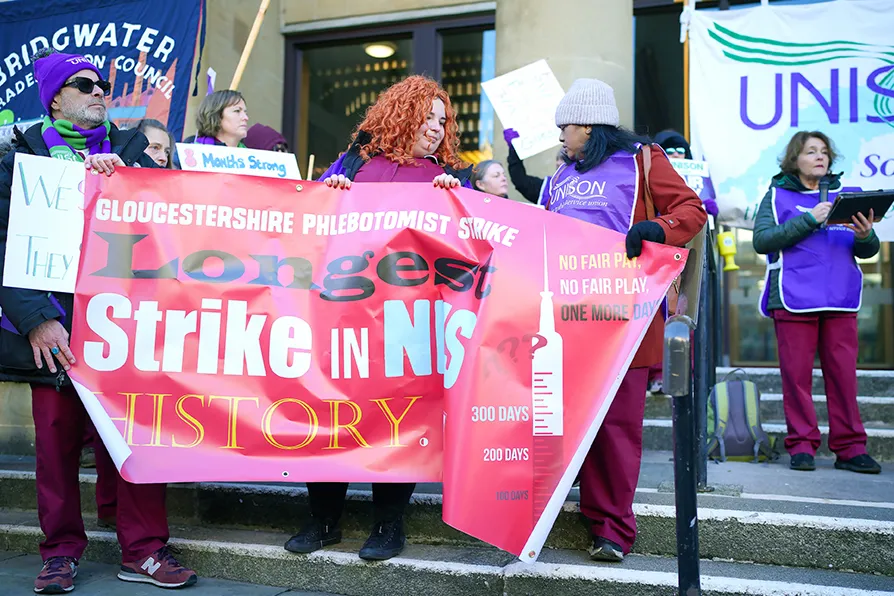
Young workers do want to get involved in Unison, and where that is enabled we see growth in workplace power, argue Unison North West Young Members co-chairs ZAIHERA CHAUDHRY and IAN CAULFIELD
British military spending is among the highest in the world, diverts scarce resources from far better causes and fuels international conflict. It’s time we made different choices, argues LIZ PAYNE
Trade unions, trades councils and community organisations must work together to build lasting solidarity and resistance to the far right, argues DREW GILCHRIST
Animal metaphors are testament to delight in the non-human world and what we hope and wish for human freedom, argue ROX MIDDLETON, LIAM SHAW and MIRIAM GAUNTLETT"
Economists estimate extreme poverty could be drastically reduced for a fraction of global defence spending, yet military budgets continue to expand year on year, says JON TRICKETT MP, ahead of the Stop the War International Conference on Saturday



TODAY as trade unionists our most significant, long-term challenges arguably have very little to do with the political circus surrounding Brexit.
The continued crisis in wages, the rise of contingent and outsourced work that so badly fragments our labour market, the job threat from the dawn of industry 4.0 and the corresponding decline of collective bargaining that has helped underpin this all. We face many serious problems but they are not insurmountable and managed decline does not have to be inevitable.
Among all of this, one thing is for certain. If we want to drive up living standards, we will face a fight for jobs and possibly for the future of work itself.

Similar stories
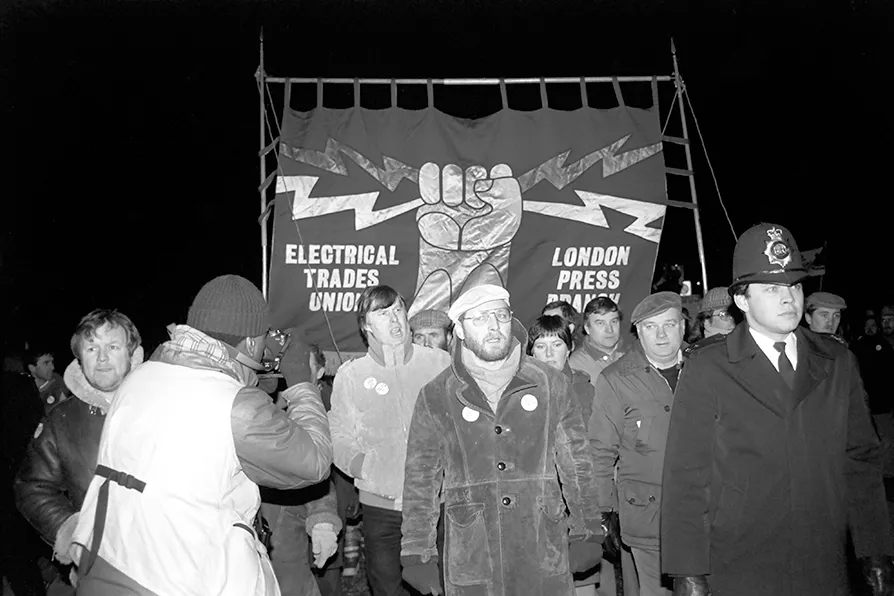
A past confrontation permanently shaped the methods the state will use to protect employers against any claims by their employees, writes MATT WRACK, but unions are readying to face the challenge
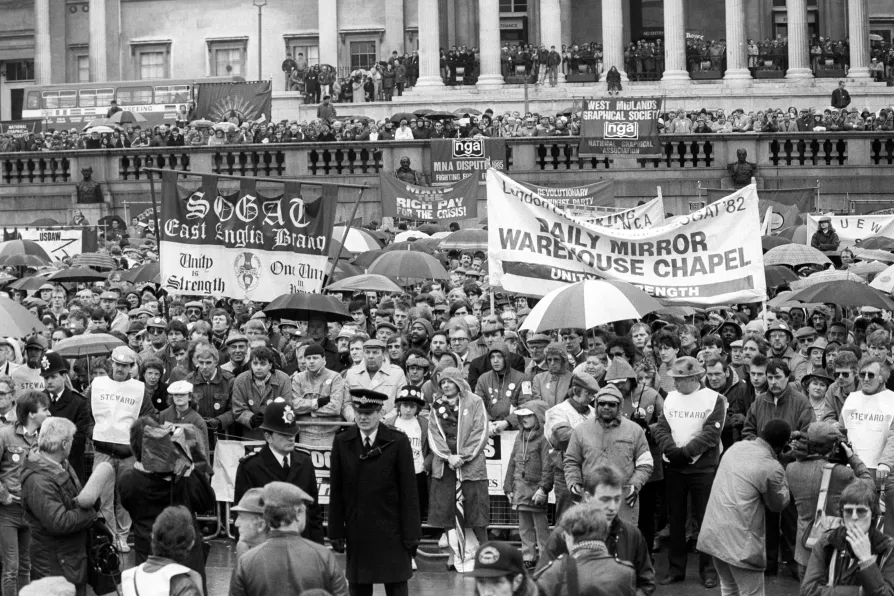
SHARON GRAHAM reflects on the lessons of Murdoch’s confrontation with print workers – and argues that, in an age of AI, automation and net zero, only early organisation, collective power and planning can stop history repeating itself

Ben Chacko talks to RMT leader EDDIE DEMPSEY about how the key to fixing broken Britain lies in collective sectoral bargaining, restoring unions’ ability to take solidarity strike action and bringing about the much-vaunted ‘wave of insourcing’

It is only trade union power at work that will materially improve the lot of working people as a class but without sector-wide collective bargaining and a right to take sympathetic strike action, we are hamstrung in the fight to tilt back the balance of power, argues ADRIAN WEIR