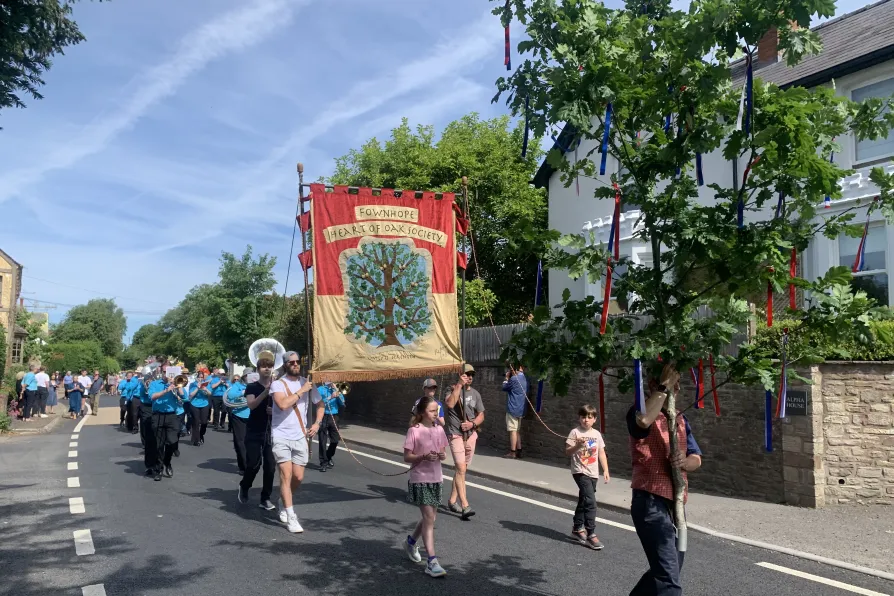
Fownhope’s Heart of Oak Society traces its roots to the age of friendly societies, when communities provided their own safety net. Its anniversary celebrations reveal a tradition still very much alive, says MARK SEDDON


 Latest editorial
Groupthink, the war in Yemen and the strange popularity of Alistair Burt
The former Foreign Office minister drew praise from politicians and journalists alike as a ‘genuinely decent’ man after resigning. IAN SINCLAIR isn’t sure he deserves it
 Alistair Burt speaks in Parliament
ANGUS REID explains the significance of Cuba’s egalitarian in letter and spirit Family Code and the pertinent lessons it holds for democracies anywhere in the world
Special report by PEOPLE’S WORLD
NICK WRIGHT considers how the isolation of Israel and a new film on the controversial Italian communist leader are creating new reference points for Italy’s left
CARLOS MARTINEZ says Cuba’s achievements in the face of a criminal blockade are startling, but the island’s future if the United States succeeds in crushing it looks bleak
AMNON BROWNFIELD STEIN reports that far-right MPs who mobbed the event organised by Hadash may have helped raise awareness of the brutality of the Israeli right



“I’VE never encountered any group more driven by group-think and rank-closing cohesion than British journalists,” US writer Glenn Greenwald tweeted in September 2015.
In addition to the media, the recent response to Alistair Burt MP resigning from his position as minister of state for the Middle East over the government’s handling of Brexit shows this herd-like behaviour also infects sections of civil society and apparently progressive politicians.
“Many disagree with UK policy in the Middle East but he has a reputation for even handedness,” tweeted the Guardian’s diplomatic editor Patrick Wintour. “Big blow to FCO [Foreign and Commonwealth Office].” Laura Kuenssberg, the BBC’s political editor echoed these thoughts, noting Burt was a “well respected foreign office minister.”

Similar stories
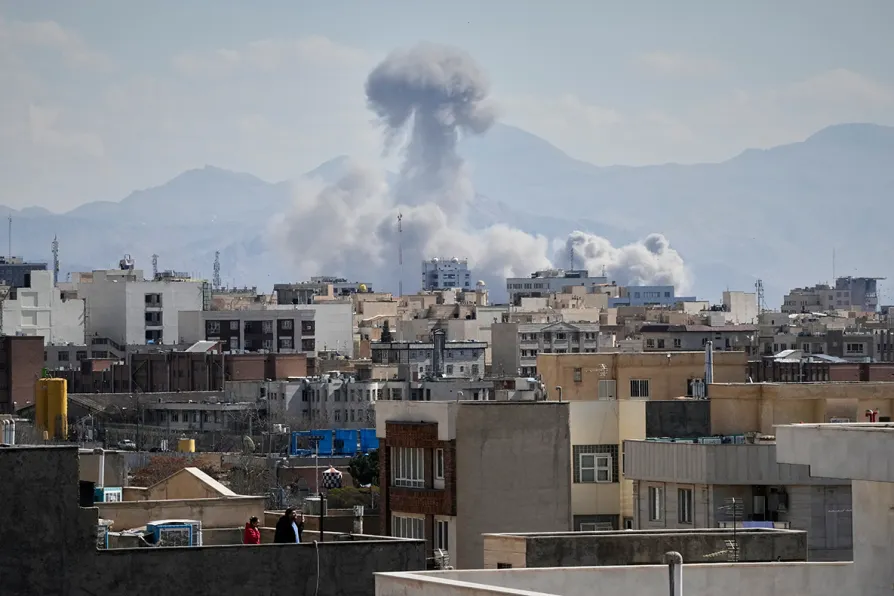
History shows from Iraq to Libya, and now Iran, that regime-change fantasies rarely deliver stability — but they always deliver human and economic cost, says MARYAM ESLAMDOUST
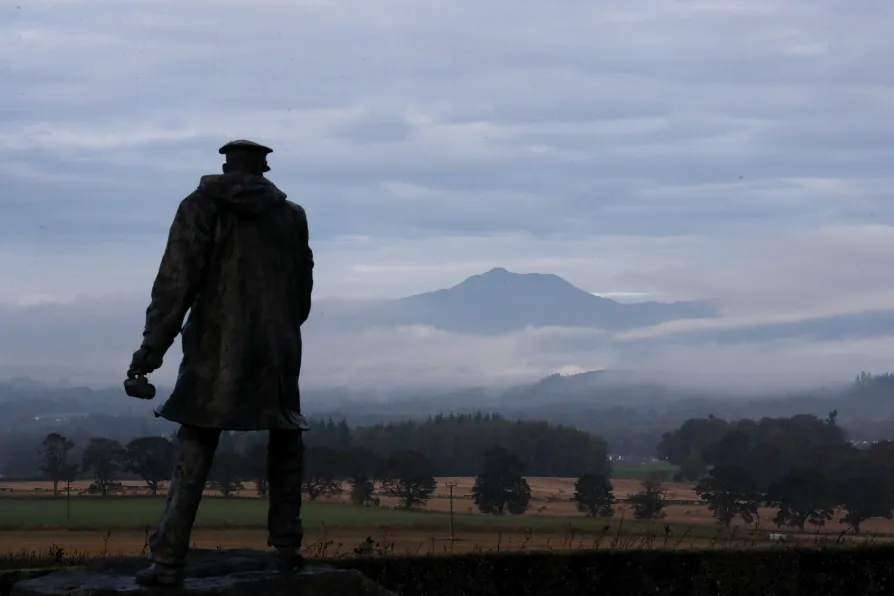
As the government quietly upgrades the role of Britain’s special forces, their growing global footprint and near-total exemption from democratic oversight should alarm us all, says ROGER McKENZIE
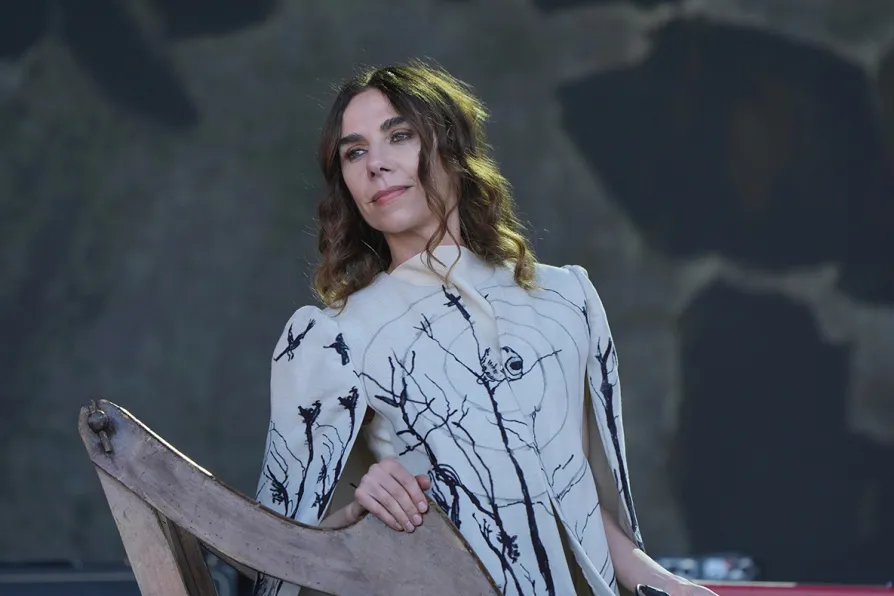
On January 2 2014, PJ Harvey used her turn as guest editor of the Today programme to expose the realities of war, arms dealing and media complicity. The fury that followed showed how rare – and how threatening – such honesty is within Britain’s most Establishment broadcaster, says IAN SINCLAIR
This plundering of the archive tells us little about reality, and more about the class bias of the BBC, muses DENNIS BROE