IAN LAVERY MP warns that decades of neoliberal policies have left former industrial communities behind — but a renewed Labour commitment to working people could change the political landscape


Reviving the real economy
DOUG NICHOLLS argues that the real economy is reviving as the sleeping giant of politics is waking up


PAOLO SANTALUCIA reports on how an Italian region defies US pressure to end a Cuban doctors programme
HENRY FOWLER outlines the GFTU’s new 2026-27 education programme and argues that investing in trade union education is essential to building worker power, developing leaders and strengthening collective action
We need a government that invests in saving lives not destroying them, argues SOPHIE BOLT
More expensive by weight than gold, saffron is surprisingly simple to grow. MAT COWARD explains
The public inquiry is the result of more than a decade of determined campaigning. Now, those who fought for justice want the full story of government involvement and police conduct to be told, says KATE FLANNERY
The Durham Miners’ Gala is a celebration of working-class culture, but also a call to action — to rebuild workers’ collective strength, says KIM JOHNSON MP




THE key economic indicators that trade unionists used to consider closely were the balance of trade deficit, the value of the pound, manufacturing production output, research and development (R&D) investment and unemployment levels.
Together these reflected the political health of the country to the extent that production was primary and that capital, until 1979 legally restricted in its movements, was being reinvested to regenerate the wealth-creating base.
As the country got further and further embroiled into the EU machine, with its free movement of capital, privatisation and neoliberal economics, the shift from the real economy of industrial production to the virtual reality of financial speculation also led to a shift away from discussing the most revealing economic indicators.

Similar stories

Only an ambitious programme of state-led investment can restore growth and improve living standards, argues MICHAEL BURKE
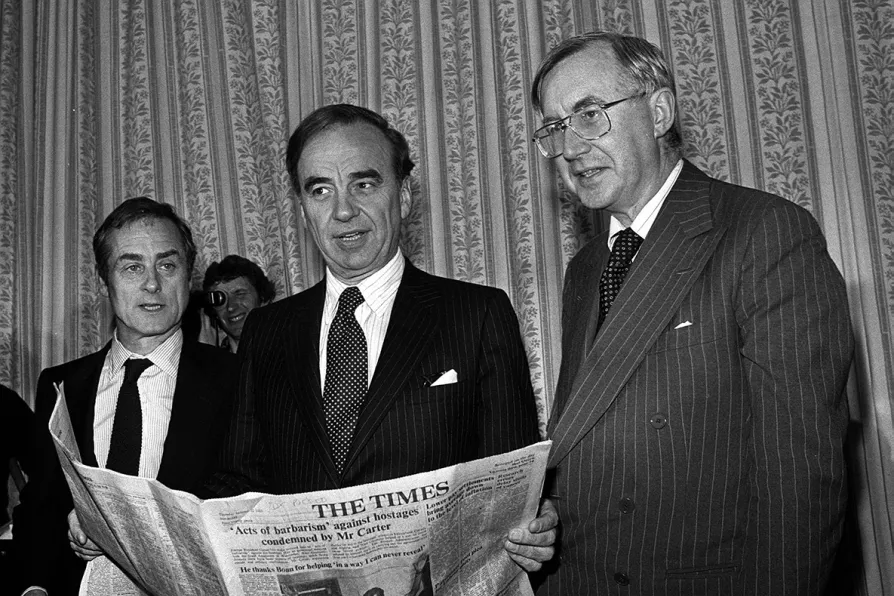
Four decades on, the Wapping dispute stands as both a heroic act of resistance and a decisive moment in the long campaign to break trade union power. Lord JOHN HENDY KC looks back on the events of 1986