

 Latest editorial
Letwin blamed ’80s riots on ‘bad moral attitudes’
Declassified papers show Cameron ally rejected plans to fight urban poverty




DAVID Cameron’s close ally and Cabinet member Oliver Letwin blamed “bad moral attitudes” for the 1980s riots that rocked some of Britain’s poorest neighbourhoods, previously confidential documents released today show.
The West Dorset MP was revealed to have dismissed the idea that urban deprivation was a main cause of the protests which took place in mostly black inner-city areas.
He also rejected other ministers’ proposals to sponsor black entrepreneurs, arguing they would instead “set up in the disco and drug trade,” declassified papers from the government archives show.
Black campaigners were outraged by the comments, while warning that the opinions expressed by Mr Letwin were still prevalent today.
In an outspoken memo from 1985, published by the National Archives today, the then adviser to Margaret Thatcher wrote: “Riots, criminality and social disintegration are caused solely by individual characters and attitudes.
“So long as bad moral attitudes remain, all efforts to improve the inner cities will founder.”
The plans of then environment secretary Kenneth Baker to invest in derelict tower blocks and those of employment secretary Lord Young to foster black middle-class business leaders were written off by Mr Letwin.
“David Young’s new entrepreneurs will set up in the disco and drug trade, Kenneth Baker’s refurbished council blocks will decay through vandalism combined with neglect and people will graduate from temporary training or employment programmes into unemployment or crime,” he predicted.
Replying to the revelations, Black Activists Rising Against Cuts co-chair Zita Holbourne told the Star: “The riots were sparked by institutional racism, including in the police forces and other institutions, the legacy of which we are still facing today.”
She highlighted how black youths are still up to 32 times more likely to be stopped and searched than white men.
“There was, as there is now, a disproportionate impact on black communities of poor housing, lack of jobs, leading to poverty and amplified by the racist attitudes and actions by the police and other institutions,” she added.
A government spokesman claimed that, much like its 1985 predecessor, the cabinet remained “thoroughly committed to helping the most vulnerable and ensuring that nobody is confined by the circumstances of their birth.”
The Liberal Democrats expressed concern that the Mr Letwin was still at the helm of the Conservative Party.
A Lib Dem spokesman called the 1985 comments “a sad indictment on Tory attitudes to inner cities — something we hope has changed within the Tory inner sanctum, but [we] remain to be convinced.”

Similar stories
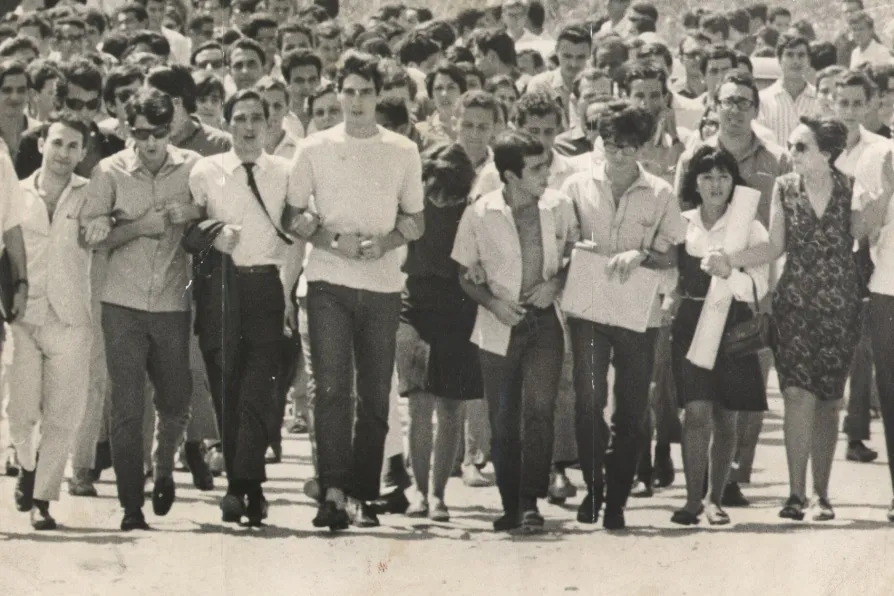
Newly revealed documents reveal that MI5 taught Brazilian secret police the techniques deployed by the 1964-85 military dictatorship in horrific prisons like Rio de Janeiro’s House of Death. SARA VIVACQUA reports
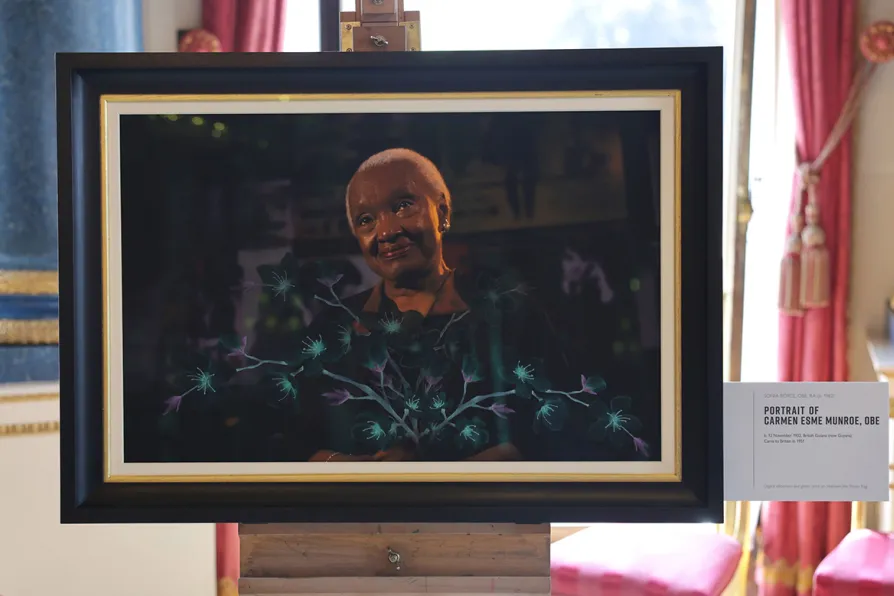
For generations black women have shaped Britain’s activism, arts and public life despite exclusion and discrimination. ZITA HOLBOURNE pays tribute to these political trailblazers and cultural icons, whose courage continues to inspire
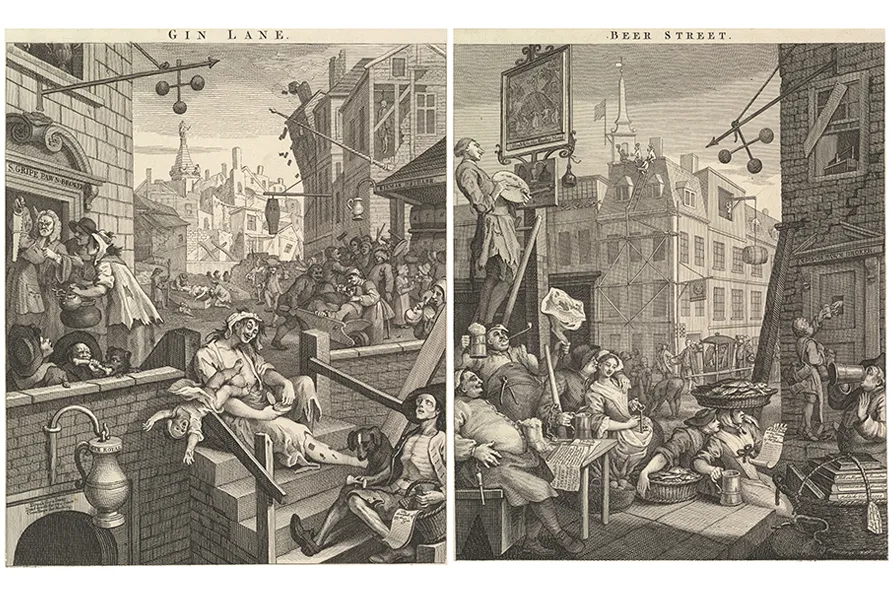
Gin Lane by William Hogarth is a critique of 18th-century London’s growing funeral trade, posits DAN O’BRIEN
