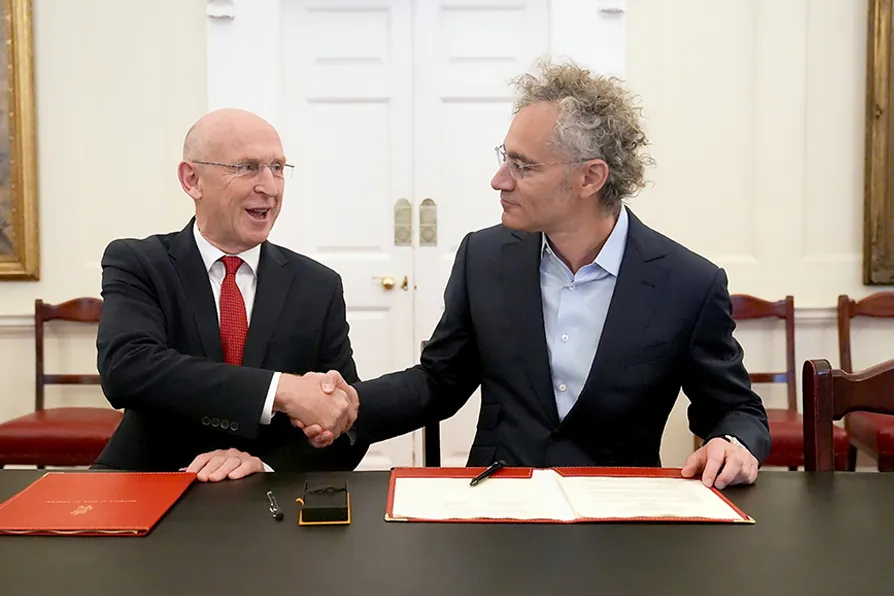
The greatest threat to democracy may no longer come from political parties but from unelected tech oligarchs like Peter Thiel and his powerful Silicon Valley network, argues JOHN GREEN


 Latest editorial
Great expectations
Scottish Socialist Party’s support for independence is unequivocal. COLIN FOX explains why
Today’s interconnected conflicts are enriching the arms industry while pushing the entire world towards permanent militarisation, argues ROGER McKENZIE
by Nana Backland, Merseyside Morning Star Readers & Supporters Group
The government’s Pip review looks like a carefully managed exercise in legitimising future cuts to disability support, argues Dr DYLAN MURPHY
The Tories introduced the 50% strike ballot threshold to make industrial action harder. MATT WRACK argues that a Labour government has no justification for leaving it on the statute book


Data from the 2011 census revealed last week that 67 per cent of Scots describe themselves as “Scottish, not British.”
And while 19 per cent felt “Scottish and British,” only 8 per cent saw themselves as “British” alone. These divisions are most pronounced among the working class.
Those who see the British working class as a monolith whose practical unity is somehow jeopardised by Scottish independence might wish to reflect on these sentiments.
They inevitably pose the question: where lies the unity of the British working class when so few of us north of the border consider ourselves to be British at all?
This “Scottish not British” working class faces its most important political decision in decades.
The independence referendum next year poses a stark choice between continuing to be governed from London by parties who have no democratic mandate here with a programme detrimental to our interests or opting for self-determination and the chance to construct the left-of-centre social democratic country the vast majority of people here currently desire.
The Scottish Socialist Party (SSP) has just published The Case For an Independent Socialist Scotland.
For the SSP independence represents a step towards socialism in Scotland. Supporting the rights of nations such as ours to self-determination does not make you a nationalist — it makes you a democrat.
After all, John Maclean wasn’t a nationalist, was he? Nor were James Connolly or Lenin and yet each advocated this basic democratic right.
The biggest concern facing most working-class Scots today is not the constitution per se, but the fall in their living standards caused by the worst recession in 80 years.
As bills rise and rise and incomes fall they increasingly see independence as the best opportunity they have to avoid the recession’s devastating consequences.
And the Yes message is that it stands to reason that if all the oil money, taxes, levies and duties raised in Scotland remained here instead of being siphoned off by the Treasury in Westminster we would be better off and better able to address the deep-rooted social problems we face.
The latest figures published by HMRC, for example, show that Scotland raised 9.8 per cent of total UK taxes last year with just 8.4 per cent of the population.
If we accept that Scotland would be better off with independence, attention then focuses on how that extra wealth will be distributed and what difference self-determination will make to the lives of working-class people.
Last week I spoke on behalf of Yes Scotland at a Communications Workers Union (CWU) seminar for Scottish branches where these issues were front and centre.
With Labour’s Ian Murray MP representing the No campaign we debated whether independence is the progressive option for Scotland’s trade union members and their families.
I pointed out that the privatisation of Royal Mail would not have happened with independence — the overwhelming majority of Scots are opposed to it.
The same can be said about the hated bedroom tax. When one branch delegate then asked me what particular advantages I thought independence would bring activists like him, I pointed out that as most Scots are pro-trade union this majority might then be mobilised to rescind Britain’s appalling anti-union laws.
Ian Murray was forced to concede that Labour has absolutely no intention of scrapping these draconian laws if elected in 2015.
Nor will they take Royal Mail back into public hands. Nor will they scrap Trident. Nor will they restore public services slashed by this Con-Dem government.
Like many other unions the CWU in Scotland is now embarking on a series of consultation meetings with its members over the independence referendum.
And it is not difficult to see why — more and more Scottish trade union members are opting for independence as the progressive option in this debate.
While the SNP and new Labour are both neoliberal capitalist parties in economic terms, the nationalists are to the left of Johann Lamont and Ed Miliband on social policy.
To pretend as some do that new Labour offers a progressive alternative in Scotland today is just not supported by the facts.
Labour opposed the abolition of NHS prescription charges, which the SSP did much to pioneer, here and now its leader Lamont condemns universal benefits, the non-means tested touchstone of the progressive movement in Britain, as representing “the something for nothing culture.”
Scottish Labour also support 90 per cent of the Con-Dem public spending cuts here. And it advocates spending up to £100 billion on a second generation of Trident nuclear weapons based at Faslane on the Clyde.
Therefore to suggest that electing Miliband as prime minister, enthralled as he is to the City of London, offers the route to a social democratic Scotland lacks credibility.
And this growing realisation is playing a larger and larger part in the independence debate.
Colin Fox is the joint national spokesperson of the Scottish Socialist Party. He also sits on the Yes Scotland advisory board. The Case For an Independent Socialist Scotland is available from the Scottish Socialist Party, Suite 370, 4th Floor, Central Chambers, 93 Hope Street, Glasgow G2 6LD for £5 including P&P

Similar stories

Campaigns against nuclear weapons on the Clyde, financial backing for arms firms and rising militarism are converging with solidarity for Palestine, as Scotland’s peace movement builds momentum ahead of the 2026 Holyrood election, says ARTHUR WEST
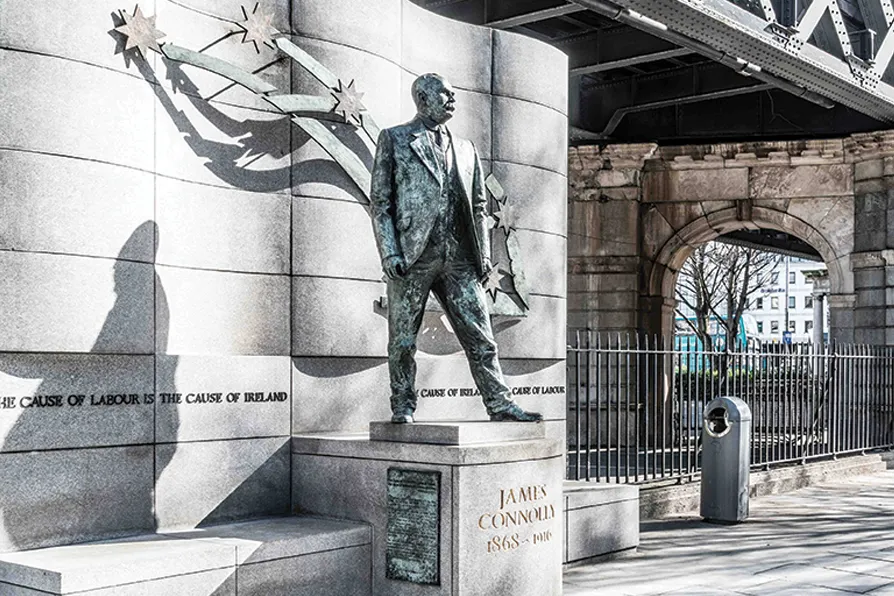
A new group within the NEU is preparing the labour movement for a conversation on Irish unity by arguing that true liberation must be rooted in working-class solidarity and anti-sectarianism, writes ROBERT POOLE

CWU leader DAVE WARD tells Ben Chacko a strategy to unite workers on class lines is needed – and sectoral collective bargaining must be at its heart
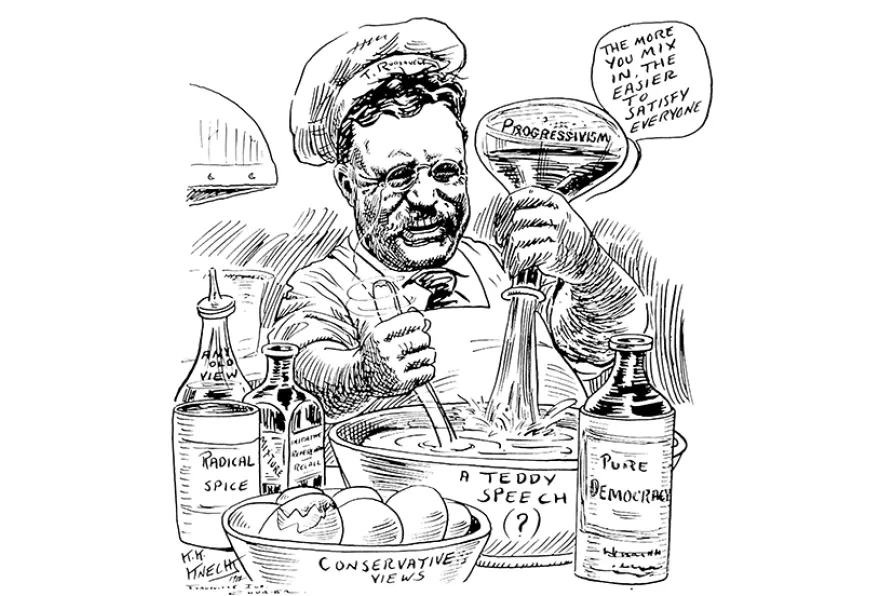
STEPHEN ARNELL casts a critical eye over the sudden rash of challenges to the two-party system on both sides of the Atlantic, noting that today’s performative populist politics sadly lacks Roosevelt’s progressive ‘Bull Moose’ vision of the early 20th century