 Latest editorial
IAN LAVERY MP says an immediate focus on raising wages and reducing costs must be part of a strategy to show Labour can deliver for workers again


Civil resistance can change the world
Non-violent action is more successful at ending injustice than you might think, says IAN SINCLAIR
Friedrich Merz’s call for a new Plaza Accord ignores how Washington’s 1985 currency ambush destroyed Japan without fixing US deficits — China, a sovereign socialist state with 1.4 billion consumers, cannot be bullied the same way, writes CARLOS MARTINEZ
World Peace Council president PALLAB SENGUPTA assesses the challenges facing the international peace movement and sends greetings to the Liberation AGM
KIERA MARSHALL says there is a gulf between the privileged circles in which most politicians move and the lives of working-class youth in left-behind estates – and as a newly elected Senedd member she’s determined to do something about it
ANGUS REID and ANDREW JOHNSTONE report on an initiative that we must take this summer
At last weekend’s International Conference Against War, LINDA PENTZ GUNTER talks to the Palestinian physician and politician about the struggles ahead to achieve a truly free Palestine




I've been reviewing books for over eight years and feel I've just finished one of the most important books I've ever read.
It's a book that should cause a paradigm shift in international politics and foreign policy because it turns a lot of conventional thinking on its head.
The book is Why Civil Resistance Works: The Strategic Logic of Nonviolent Conflict, jointly authored by Erica Chenoweth, an assistant professor of government at Wesleyan University, and Maria J Stephan, a strategic planner with the US State Department.

Similar stories
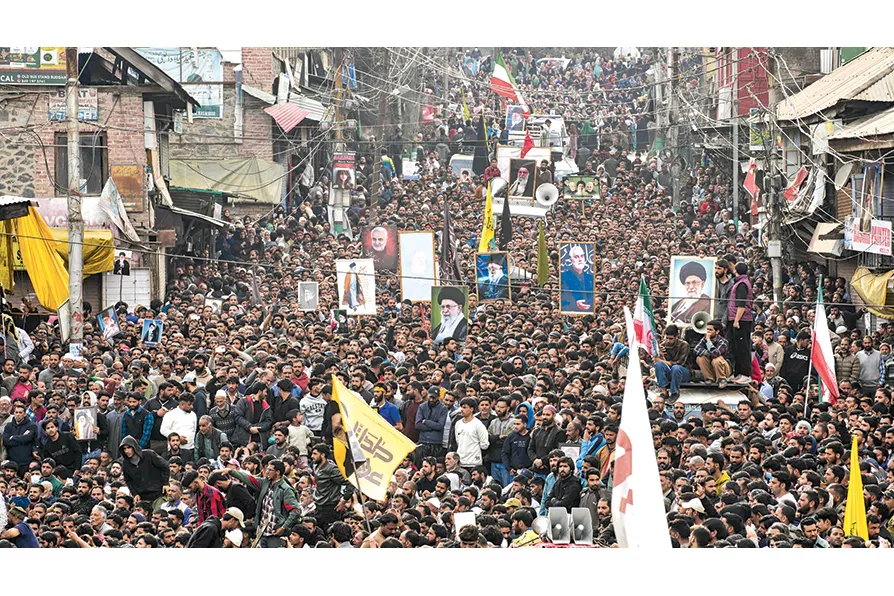
DIANE ABBOTT exposes Keir Starmer's doublespeak on Britain’s involvement in the Iran war but takes heart from the growing organisation of the opposition to it
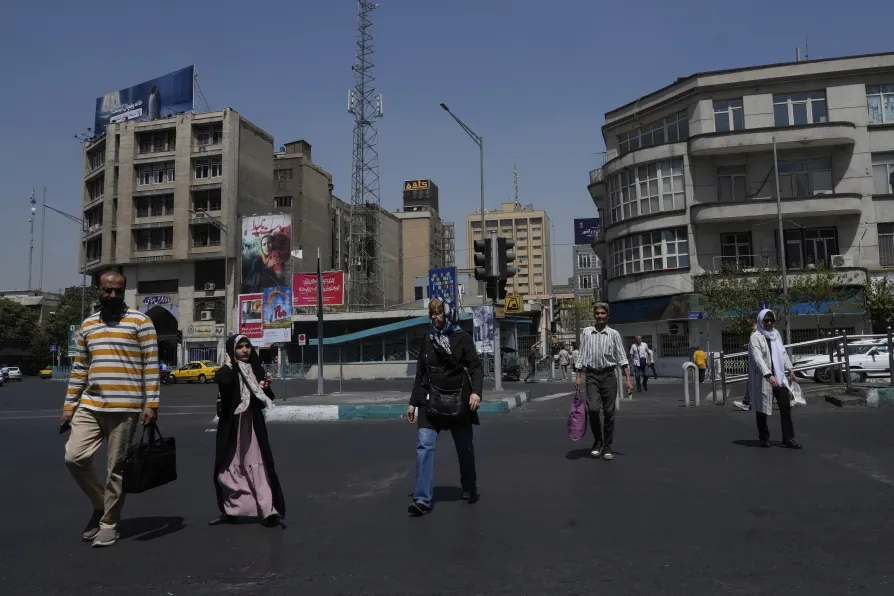
Payam Solhtalab talks to GAWAIN LITTLE, general secretary of Codir, about the connection between the struggle for peace, against banking and economic sanctions, and the threat of a further military attack by the US/Israel axis on Iran
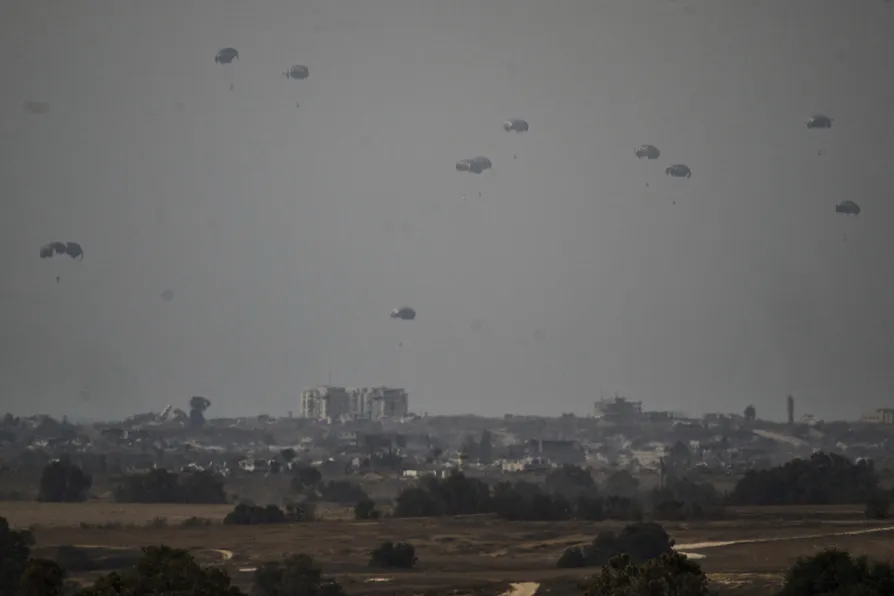
Gaza’s collective sumud has proven more powerful than one of the world’s best-equipped militaries, but the change in international attitudes isn’t happening fast enough to save a starving population from Western-backed genocide, argues RAMZY BAROUD
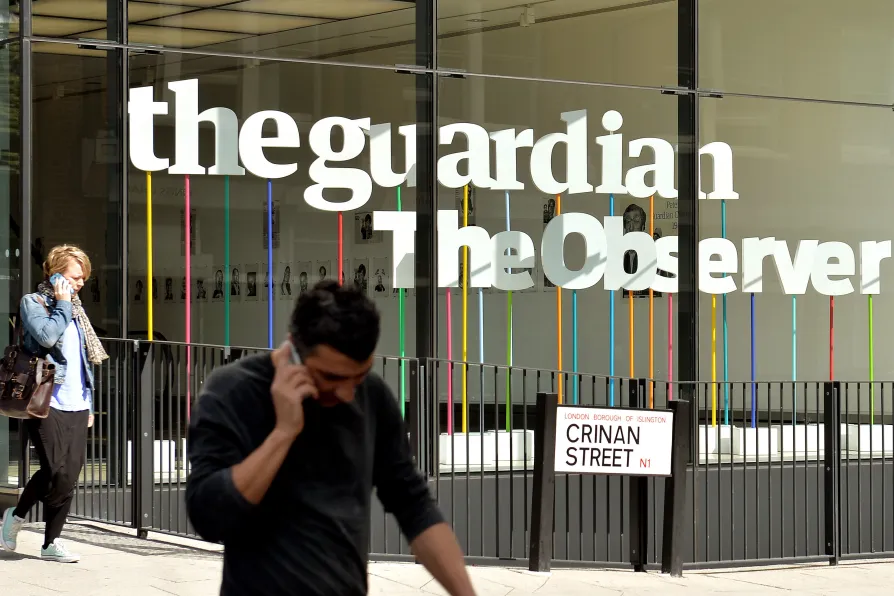
At the very moment Britain faces poverty, housing and climate crises requiring radical solutions, the liberal press promotes ideologically narrow books while marginalising authors who offer the most accurate understanding of change, writes IAN SINCLAIR