In the wake of Ann Widdecombe’s murder, JOHN GREEN wonders whether the government will really get to grips with the root cause of these attacks on our MPs


 Latest editorial
Another dimension to the Tolpuddle story: colonialism
KEITH FLETT uncovers the links between Dorset landowners, Caribbean plantations, slavery and the prosecution of trade unionists, revealing a darker side to the Tolpuddle Martyrs’ story
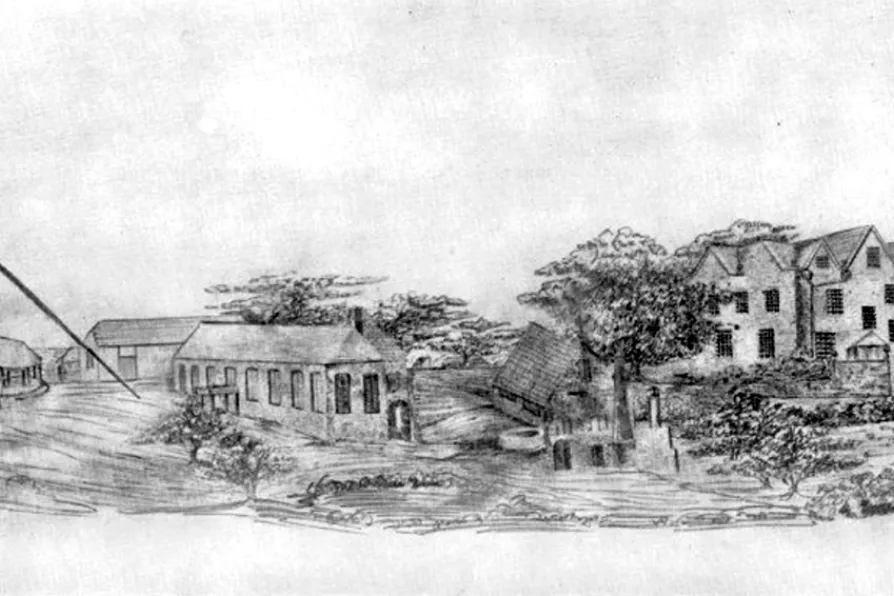 A sketch of the Drax Hall plantation in Barbados
Despite the screeching from the right-wing media, Burnham’s speech chimed with the public mood - and socialists should take advantage, says Morning Star editor BEN CHACKO
Nature as well as society works dialectically, asserts the Marx Memorial Library and Workers’ School
Rising temperatures and human activity are making life far harder for these vital pollinators. ALEX DITTRICH explains
Lesbians and Gays Support the Miners co-founder MIKE JACKSON talks to Matt Kerr about the enduring power of Pride, protest and trade unionism
Behind the language of military strategy is a confrontation that risks drawing the wider Middle East into war, says STEVE BISHOP


WILLIAM CUFFAY, the black leader of London Chartism in 1848, is a well-known figure in British history thanks in part to the pioneering work done by the later Peter Fryer with his book Staying Power.
There is now a good deal more research and published history about black people in Britain going back at least to Tudor times. Yet it remains the case that little is known about a black presence in the Chartist movement.
The presence of black workers who had come to Britain on navy or merchant ships, servants and others, meant there was a considerable black population in Victorian Britain.

Similar stories
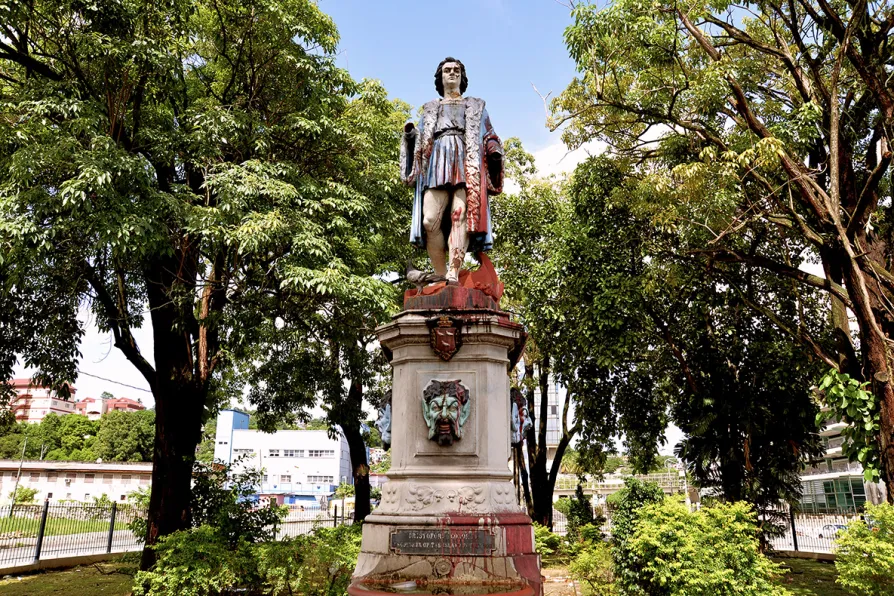
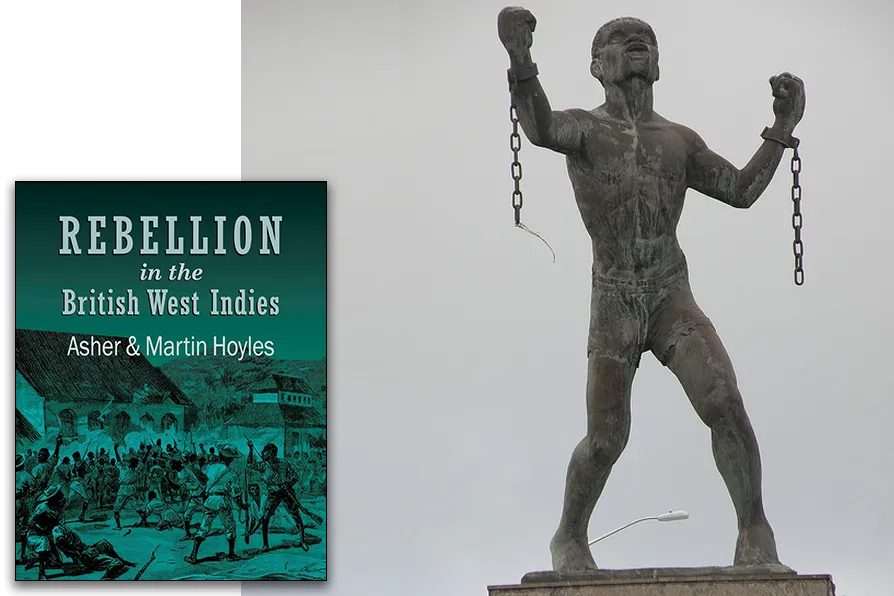
BOB NEWLAND appreciates an important contribution to the debate about how slavery helped to build the wealth of Western companies and states

Labour movement history in Britain shows workers secured reforms through collective pressure and political representation, rather than being gifted from above, writes KEITH FLETT
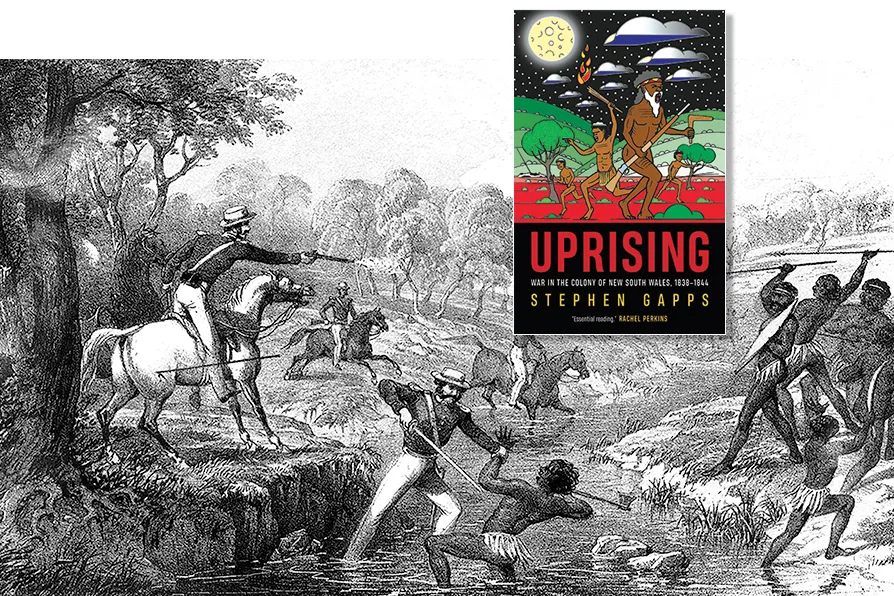
HEIDI NORMAN welcomes a new history of the Aboriginal resistance to white settlers in New South Wales