In the wake of Ann Widdecombe’s murder, JOHN GREEN wonders whether the government will really get to grips with the root cause of these attacks on our MPs


 Latest editorial
August’s riots echo the dark history of reactionary ‘Church and King’ mobs
Socialist historian KEITH FLETT traces the parallel evolution of violent loyalist rampages and the workers' movement's peaceful democratic crowds, highlighting the stark contrast between recent far-right thuggery and mass Gaza protests
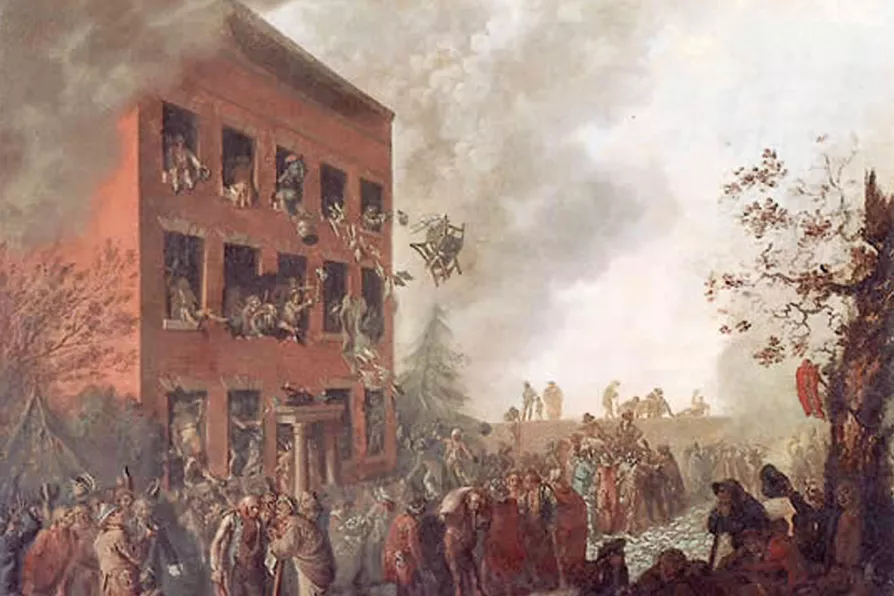 REACTIONARY RAMPAGE:
The house of radical dissenter
Joseph Priestley is destroyed
by a right-wing mob during
the 1791 Birmingham riots
REACTIONARY RAMPAGE:
The house of radical dissenter
Joseph Priestley is destroyed
by a right-wing mob during
the 1791 Birmingham riots
Despite the screeching from the right-wing media, Burnham’s speech chimed with the public mood - and socialists should take advantage, says Morning Star editor BEN CHACKO
Nature as well as society works dialectically, asserts the Marx Memorial Library and Workers’ School
Rising temperatures and human activity are making life far harder for these vital pollinators. ALEX DITTRICH explains
Lesbians and Gays Support the Miners co-founder MIKE JACKSON talks to Matt Kerr about the enduring power of Pride, protest and trade unionism
Behind the language of military strategy is a confrontation that risks drawing the wider Middle East into war, says STEVE BISHOP



THE fascist-inspired riots of early August raised again the question of how protest occurs and what form it takes.
Some Tory leadership contenders made entirely specious comparisons with the huge and peaceful marches on Gaza that have taken place since October 2023.
Two entirely different things were being conflated but historically that wasn’t always the case. Until the last years of the 18th century, a riot was the most common and most frequent form of protest.
Before trade unions and working-class political organisations had developed there existed, for example, collective bargaining by riot. An employer would be besieged by workers until they addressed wage demands.

Similar stories
Inspired by a hit TV show, KEITH FLETT takes a look at the murky history of undercover class war
It’s not just the Starmer regime: the workers of Britain have always faced legal affronts on their right to assemble and dissent, and the Labour Party especially has meddled with our freedoms from its earliest days, writes KEITH FLETT

Who you ask and how you ask matter, as does why you are asking — the history of opinion polls shows they are as much about creating opinions as they are about recording them, writes socialist historian KEITH FLETT
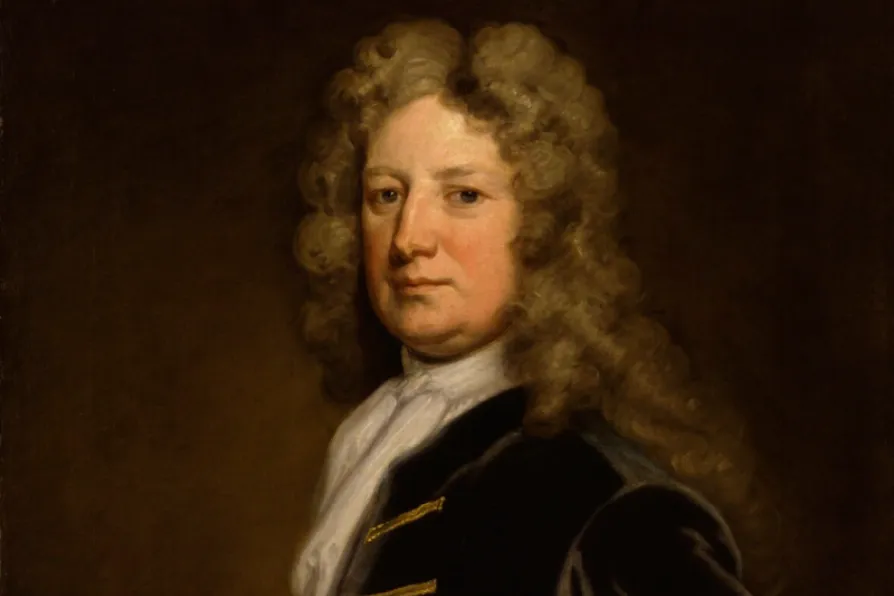
‘Honest’ Tom Wharton’s 1682 drunken rampage through St Mary’s church haunted his political career, but his satirical song Lillibullero helped topple Catholic James II during the Glorious Revolution, writes MAT COWARD