

 Latest editorial
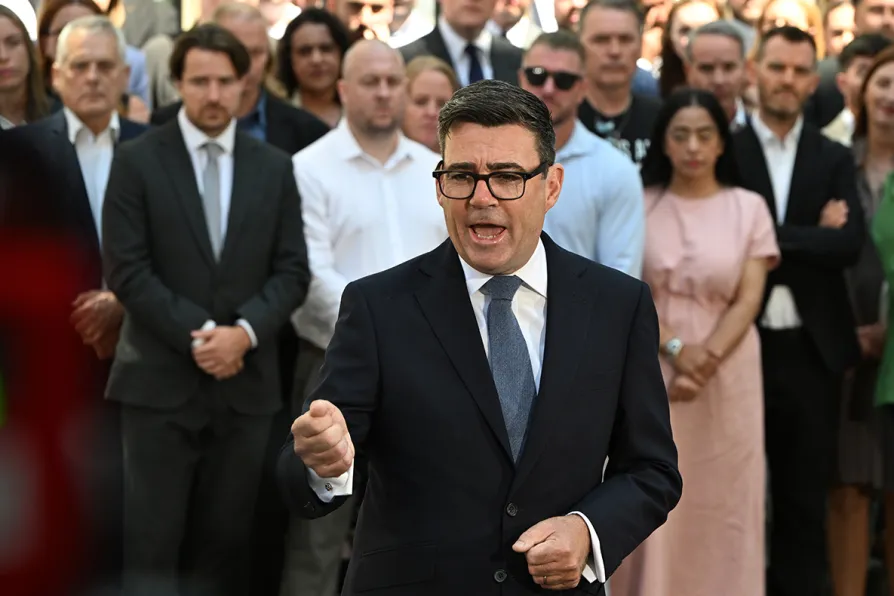




THE Jewish Chronicle has been forced to correct an article which wrongly claimed that a Labour Party member was expelled for making “sickening comments about Jews.”
The newspaper made the false accusations about Gerald Downing in an article published in March.
Mr Downing complained to the Independent Press Standards Organisation (Ipso) that the newspaper breached Clause 1 of the Editors’ Code of Practice, which advises journalists to be accurate.

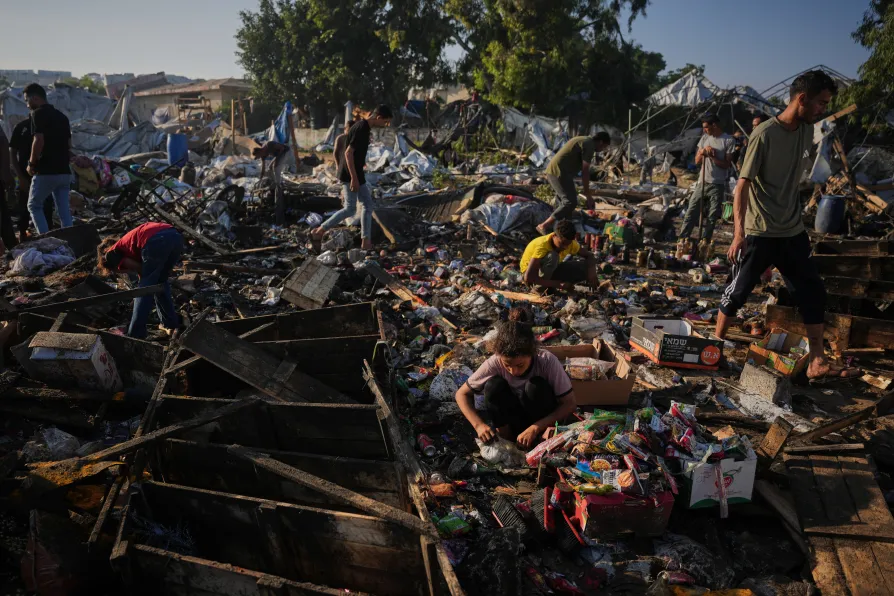
IAN SINCLAIR examines the curious memory lapses across liberal media when it comes to British government crimes
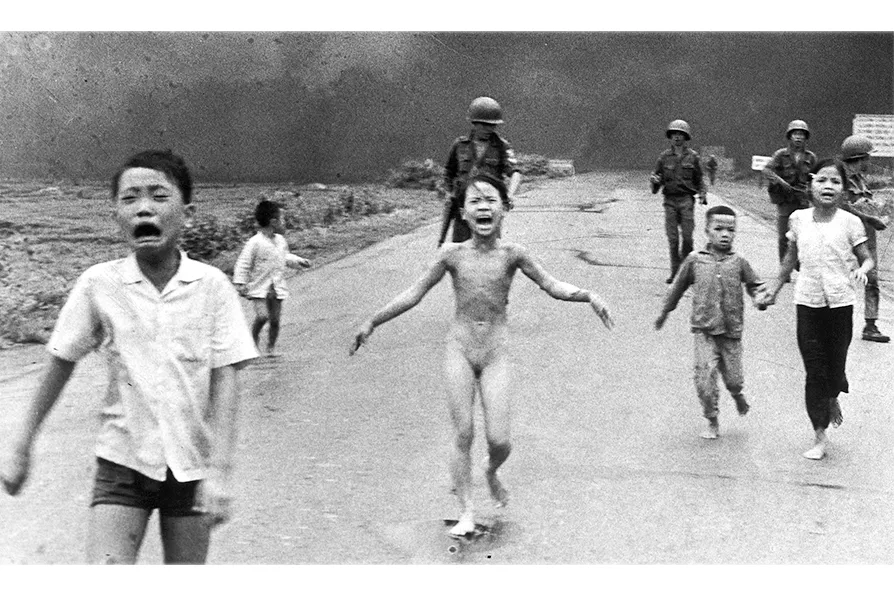
If true, the photo’s history is a damning indictment of the systematic exploitation of non-Western journalists by Western media organisations – a pattern that persists today, posit KATE CANTRELL and ALISON BEDFORD
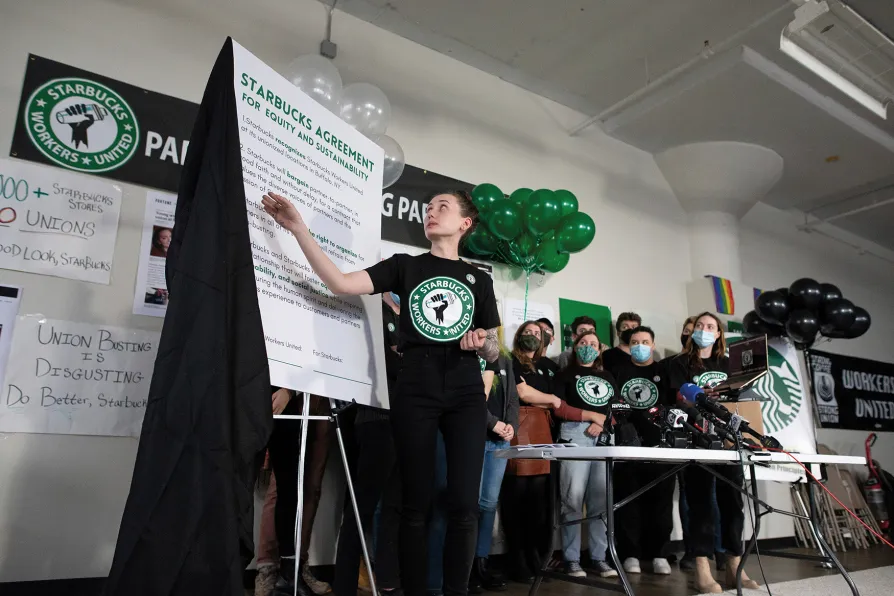
Organised workers at the notoriously anti-union global giant are scoring victory after victory, and now international bodies are pitching in to finally force this figurehead of corporate capitalism to give in to unionisation, writes EMILIO AVELAR
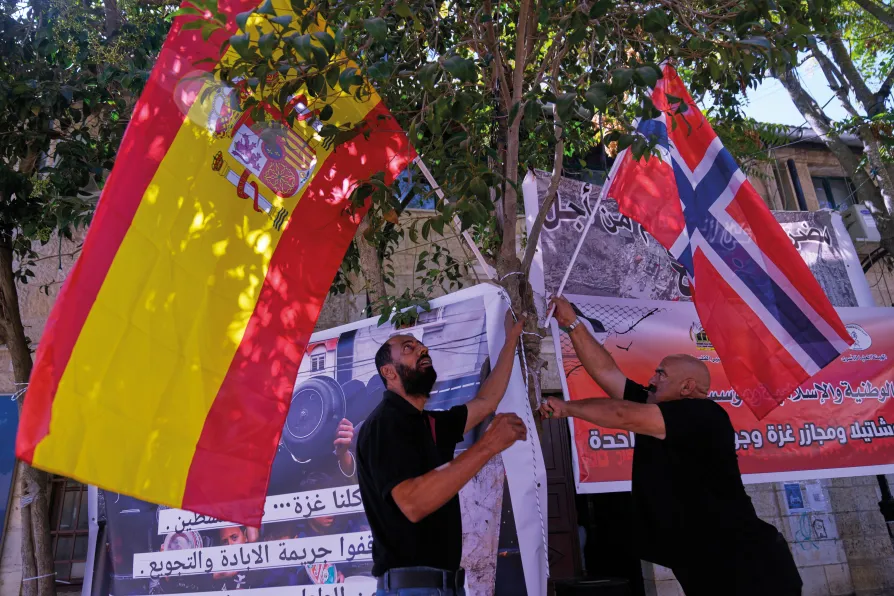
Spain has joined South Africa’s ICJ genocide case against Israel while imposing weapons bans and port restrictions, moves partly driven by trade unions — proving just how effectively civil society can reshape government policy, writes RAMZY BAROUD